Certain bacteria found underneath the foreskin increases men's risk of contracting HIV by up to 63 percent, new research reveals. A 10-fold increase in the bacterial species Prevotella, Dialister, Mobiluncus and Murdochiella raises the likelihood of uncircumcised men being infected with the virus by 54 to 63 percent, a study found.
Researchers believe certain species of bacteria increase men's HIV risk by causing specific immune cells to accumulate at the penis and act as a 'gateway' into the body.
Study author Dr Lance Price from George Washington University, said: 'Our study suggests that some bacteria are triggering biochemical alarms that draw immune cells to the penis where they are more easily infected by HIV.
'With other pathogens this would be a good thing, because the immune cells could help fight infection, but in the case of HIV, it does just the opposite.'
 How the study was carried out
 Researchers from George Washington University analyzed penile swabs from 182 uncircumcised men aged between 15 and 49 living in Rakai, Uganda.
They examined the 10 bacteria species that are most commonly reduced after male circumcision.
Previous research has demonstrated circumcision reduces a man's risk of contracting HIV by 60 percent.
Of the current study's 182 participants, 46 became infected with HIV over two years.
Key findings
Results, published in the journal mBio, reveal that the 46 men who contracted HIV had significantly higher amounts of certain bacterial strains under their foreskin.
A 10-fold increase in the species Prevotella, Dialister, Mobiluncus and Murdochiella increased men's risk of contracting HIV by 54 to 63 percent.
The researchers believe certain species of bacteria increase a man's HIV susceptibility by causing specific immune cells to accumulate beneath the foreskin and act as a 'gateway' into the body.
Dr Price said: 'Our study suggests that some bacteria are triggering biochemical alarms that draw immune cells to the penis where they are more easily infected by HIV.
'With other pathogens this would be a good thing, because the immune cells could help fight infection, but in the case of HIV, it does just the opposite.'
The researchers hope their findings may one day help to reduce men's HIV risk by selectively lessening the amount of bacteria under their foreskin.
CANCER TREATMENTS MAY UNLOCK A CURE FOR HIV
Cancer treatments may hold a cure for HIV, research suggested earlier this month.
Both HIV and cancer sufferers struggle to rid themselves of their condition, however, boosting the latter patients' immune systems can significantly reduce their tumours.
It is hoped that a similar treatment could clear HIV sufferers of the virus.
Such drugs may also activate HIV that lies dormant in a patient's cells, which is the biggest obstacle to curing sufferers as current drugs are unable to detect 'hidden' forms of the virus.
Yet, some experts argue that HIV and cancer are vastly different, and success in one does not guarantee similar outcomes in the other.
By Alexandra Thompson Health Reporter For Mailonline
ABUJA: Training Schedule for Basic Life Support BLS, Pediatric Advanced Life Support (PALS), Advanced Cardiovascular Life Support ACLS, First Aid, CPR, AED
PORTHARCOURT: Training Schedule for Basic Life Support BLS, Pediatric Advanced Life Support (PALS), Advanced Cardiovascular Life Support ACLS, First Aid, CPR, AED
LAGOS: Training Schedule for Basic Life Support BLS, Pediatric Advanced Life Support (PALS), Advanced Cardiovascular Life Support ACLS, First Aid, CPR, AED
STOP paying for airtime and electricity, Let your phone pay its bills with ScreenT
You may also like

FG Supports Robotic Surgery Expansion to Reduce Medical Tourism
Nigeria is taking another step toward strengthening specialised healthcare …
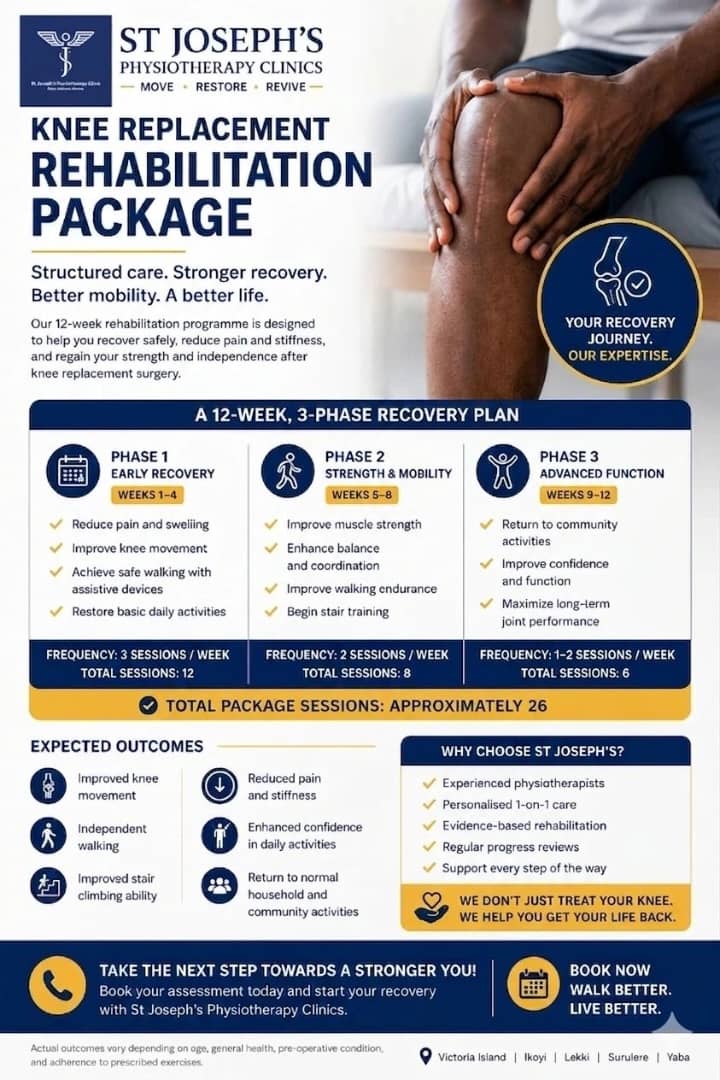
Complete Knee Replacement Rehabilitation Package in Lagos
Knee replacement surgery is a major step toward pain relief and improved mo…

NAMDA threatens strike over unpaid medical lecturers’ allowances
The Nigerian Association of Medical and Dental Academics (NAMDA) has warned…

Resident Doctors Signal End to Strike Threat After High-Level Talks with Gbajabiamila
The threat of a nationwide indefinite strike by the Nigerian Association of…
AMLSN Issues Strong Rejoinder to NAMDA on Public Service Establishment Matters
The Association of Medical Laboratory Scientists of Nigeria (AMLSN) has rel…