GW Pharmaceuticals’ Epidiolex, a medicine made from the marijuana plant but without TCH. GW Pharmaceuticals’ Epidiolex reduced seizures in children with severe forms of epilepsy and warrants approval in the United States, health officials said in April. | AP file photo
On Monday, the U.S. Food and Drug Administration approved the first marijuana-based prescription drug, a move that could spur more research into the drug, which remains illegal under federal law despite growing legalization. The drug, Epidolex, is used to treat two rare forms of epilepsy in children 2 years and older. The strawberry-flavored syrup is a purified form of cannabidiol, or CBD, a non psychoactive form of cannabis which has been found to reduce seizures in some form of epilepsy.
FDA officials said Epidolex — which is made by British drugmaker GW Pharmaceuticals — reduced seizures when combined with older epilepsy drugs. FDA chief Scott Gottlieb said his agency had supported research on cannabis-derived products “for many years.”
“This approval serves as a reminder that sound development programs that properly evaluate active ingredients contained in marijuana can lead to important medical therapies,” Gottlieb said.
The FDA has previously approved synthetic versions of another cannabis ingredient for medical use, including severe weight loss in patients with HIV.

Oklahomans vote in favor of medical marijuana
Oklahoma voters easily approved the use of medical marijuana Tuesday, overcoming a late push from law enforcement and business, faith and political leaders who opposed the measure.
State Question 788, which was set in motion by an activist-led signature drive launched over two years ago, makes it legal to grow, sell and use pot for medicinal purposes.
Oklahoma Gov. Mary Fallin said she respects voters' wishes but is concerned that Tuesday's approval of medical marijuana in the state "opens the door" for recreational use. Oklahoma Gov. Mary Fallin warned that Tuesday’s approval of medical marijuana in the state “opens the door” for recreational use.
“I believe, as well as many Oklahomans, this new law is written so loosely that it opens the door for basically recreational marijuna,” Fallin said in a statement after the vote.
Despite Fallin’s warning and concerns that the proposed law outlines no qualifying conditions, Interim Health Commissioner Tom Bates said Wednesday that the Oklahoma Department of Health has a framework in place to get the state’s medical pot industry up and running.
The agency has been developing proposed rules and regulations in case voters approved the measure. He said the agency is prepared “to implement a medical marijuana model as required by the state question.”
“We do have a lot to take care of in a tight timeframe,” Bates said.
Nevada marijuana regulators given more funds to deal with demand
Nevada’s Interim Finance Committee recently approved an additional $1.5 million for the state’s Department of Taxation to hire more security guards and staff to process background checks for employees at pot facilities.
Marijuana sales in Nevada have surpassed projections every month since the drug was made legal for adult use last July. Recreational sales reached their highest monthly total in March, when $41 million in sales marked a 16 percent increase from February and a 14.5 percent jump from the previous monthly record in December.
“It’s pretty obvious things have gotten off to a stronger start than what was anticipated,” according to Taxation Director Bill Anderson, who said Wednesday that the Interim Finance Committee is severely straining the existing staff. “We’ve collected 97 percent of the taxes we though we would collect for the entire year.”
Taxes on medicinal and recreational pot in the state have totaled $48.97 million for the first five months of 2018. The fiscal year projection was $50.3 million.
Aside from security guards, the department also intends to convert eight temporary positions to permanent jobs and add eight more slots to process state agent cards required to work in retail, wholesale and processing of both medical and recreational pot.
Nevada's marijuana regulators say they are trying to keep up with demands at recreational dispensaries, where sales continue to outpace projections.
California dispensaries offering cheap weed ahead of new regulations
Regulations being phased in six months after California legalized marijuana for recreational use require that pot sold after Saturday meet strict quality standards, leaving retailers to unload untested inventory at bargain basement prices.
Discounts on everything from edibles to joints could leave dispensary shelves empty as many stores scramble to restock with properly tested and packaged products.
“You can smell it,” said John Atari, CEO of Source Cannabis Farms, a licensed cultivator in Los Angeles. “There’s a certain desperation from stores that bought too much and they have to dump it. There’s going to be a shortage of clean product come July 1.”
BIG3 becomes first pro sports league to allow players to use CBD
The BIG3, a professional 3-on-3 basketball league comprised of former NBA stars, announced Wednesday that it would allow players to use CBD for pain management and recovery.
The change makes the BIG3 the first professional sports league in the country to allow the use of cannabis-based treatments. The league, which was started by rapper and actor Ice Cube, said its decision follows the removal of CBD from the World Anti-Doping Agency’s list of banned substances earlier this year.
“Despite many states around the country making efforts to decriminalize or legalize cannabis, both medicinally and recreationally, professional athletes who could benefit medicinally are prevented from doing so by league outdated mandates,” the league said in a statement.
The second season of the league — which features former NBA players like Amare Stoudemire, Baron Davis, Kenyon Martin and Nate Robinson — began last week in Houston. At 6 p.m. Friday, the league will make a stop at the United Center.
South Side activists push for equity in the pot business
A Hyde Park-based marijuana advocacy group is fighting to ensure that communities of color benefit from the burgeoning legal pot industry after suffering for decades under drug policies that resulted in a vicious cycle of crime, mass incarceration and addiction.
Donte Townsend started the Chicago chapter of the National Organization for the Reform of Marijuana Laws last August, enlisting fellow black cannabis professionals to serve as the board of directors. NORML was founded in 1970 with funding from Hugh Hefner’s Playboy Foundation. The Washington, D.C.-based nonprofit, which includes 150 chapters nationwide, has been a driving force in the push to legalize cannabis.
Chicago NORML currently boasts 82 members and aims to “move sufficiently to legalize the responsible use of marijuana by adults,” according to the fledgling group’s website. However, the local pot advocates are more specifically focused on ensuring that certain communities aren’t left in the lurch if cannabis is fully legalized in Illinois.
ByTom Schuba | Chicago Suntimes
ABUJA: Training Schedule for Basic Life Support BLS, Pediatric Advanced Life Support (PALS), Advanced Cardiovascular Life Support ACLS, First Aid, CPR, AED
PORTHARCOURT: Training Schedule for Basic Life Support BLS, Pediatric Advanced Life Support (PALS), Advanced Cardiovascular Life Support ACLS, First Aid, CPR, AED
LAGOS: Training Schedule for Basic Life Support BLS, Pediatric Advanced Life Support (PALS), Advanced Cardiovascular Life Support ACLS, First Aid, CPR, AED
STOP paying for airtime and electricity, Let your phone pay its bills with ScreenT
You may also like

FG Supports Robotic Surgery Expansion to Reduce Medical Tourism
Nigeria is taking another step toward strengthening specialised healthcare …
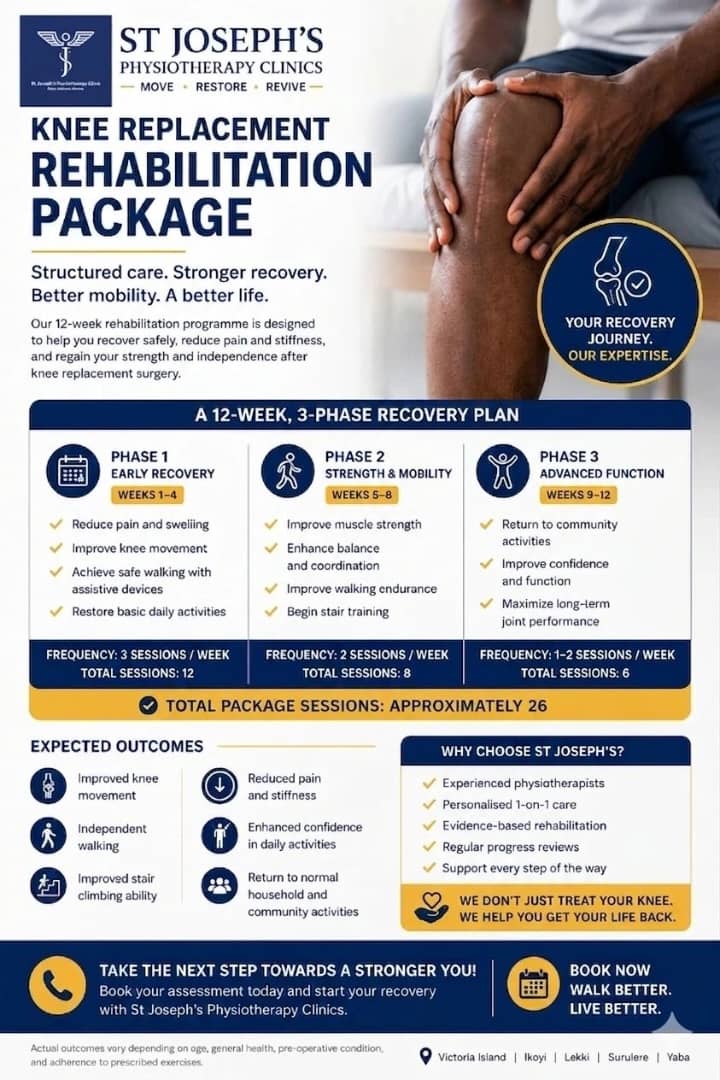
Complete Knee Replacement Rehabilitation Package in Lagos
Knee replacement surgery is a major step toward pain relief and improved mo…

NAMDA threatens strike over unpaid medical lecturers’ allowances
The Nigerian Association of Medical and Dental Academics (NAMDA) has warned…

Resident Doctors Signal End to Strike Threat After High-Level Talks with Gbajabiamila
The threat of a nationwide indefinite strike by the Nigerian Association of…
AMLSN Issues Strong Rejoinder to NAMDA on Public Service Establishment Matters
The Association of Medical Laboratory Scientists of Nigeria (AMLSN) has rel…