The Acting Director General of the National Primary Healthcare Development Agency (NPHCDA), Dr. Emmanuel Odu, yesterday, said that $1.1 billion was needed for the vaccination of 22 million persons in the five states affected by the outbreak of the Type C cerebro-spinal meningitis. Odu stated this while briefing the Senate Committee on Primary Healthcare and Communicable Diseases on efforts being made by the government to contain the disease.
He noted that five affected states were Zamfara, Sokoto, Kebbi, Katsina and Niger, pointing out that 16 other states had recorded at least one case each of the disease. He also explained that each vaccine costs between $30 and $50.
National Centre for Disease Control (NCDC) told the committee that the death toll from the cerebrospinal meningitis currently ravaging Zamfara, Sokoto, Kebbi, Katsina and Niger states had risen to 328, from 2,524 cases, noting that 16 other states had recorded at least one case each of the disease. It said that the vaccination for the Type C strain of the disease would commence tomorrow, following the procurement of the vaccines from the World Health Organisation (WHO).
 Briefing the committee on efforts being made to contain the epidemic, the Chief Executive Officer (CEO)/National Coordinator of the NCDC, Dr. Chikwe Ihekweazu, said the Type C strain of the disease was new to West Africa, saying that it was responsible for the seeming unpreparedness to tackle it. Ihekweazu said the vaccine was only procured two weeks ago as the criteria for application are that the country must be experiencing an outbreak.
 He noted that the centre, working in collaboration with the state governments, Ministry of Health, and the National Primary Healthcare Commission, had adopted a threepronged line of action for prevention, early detection and pushing hard to ensure the vaccines are available.
“This disease is associated with overcrowding, particularly in this weather. We cannot tell people not to overcrowd their homes, but we are to make sure their homes are well venti-lated, and to observe good personal hygiene,” he said.
Ihekweazu said that while available treatments worked when the disease was detected early, most victims arrived the hospital late for various reasons. He noted that the centre had, however, enlisted community and traditional rulers to help persuade their people to go to the hospital immediately they felt sick.
He further stressed the need for the procurement of adequate vaccines to immunize Nigerians ahead of the 2018 heat season. He admitted that while the centre had sent support teams to Zamfara and other affected states for rapid response, with the establishment of treatment centres, not much had been done with the 16 states that were not fully affected.
According to him, the 16 states would be part of the centre’s response approach, lamenting that the centre was hampered by inadequate funding and limited manpower, in carrying out its mandate. Meanwhile, the Senate committee has blamed the widespread outbreak of the epidemic on lack of adequate public enlightenment on the disease by relevant government agencies.
Chairman of the committee, Senator Mao Ohuabunwa, posited that the situation would have been averted if relevant agencies had commenced campaigns to raise awareness on preventive measures when it first started in December 2016. Senator Boroffice Ajayi (Ondo North) also blamed lack of sensitisation campaigns for the widespread outbreak.
By: Chukwu David
New Telegraph News
ABUJA: Training Schedule for Basic Life Support BLS, Pediatric Advanced Life Support (PALS), Advanced Cardiovascular Life Support ACLS, First Aid, CPR, AED
PORTHARCOURT: Training Schedule for Basic Life Support BLS, Pediatric Advanced Life Support (PALS), Advanced Cardiovascular Life Support ACLS, First Aid, CPR, AED
LAGOS: Training Schedule for Basic Life Support BLS, Pediatric Advanced Life Support (PALS), Advanced Cardiovascular Life Support ACLS, First Aid, CPR, AED
STOP paying for airtime and electricity, Let your phone pay its bills with ScreenT
You may also like

FG Supports Robotic Surgery Expansion to Reduce Medical Tourism
Nigeria is taking another step toward strengthening specialised healthcare …
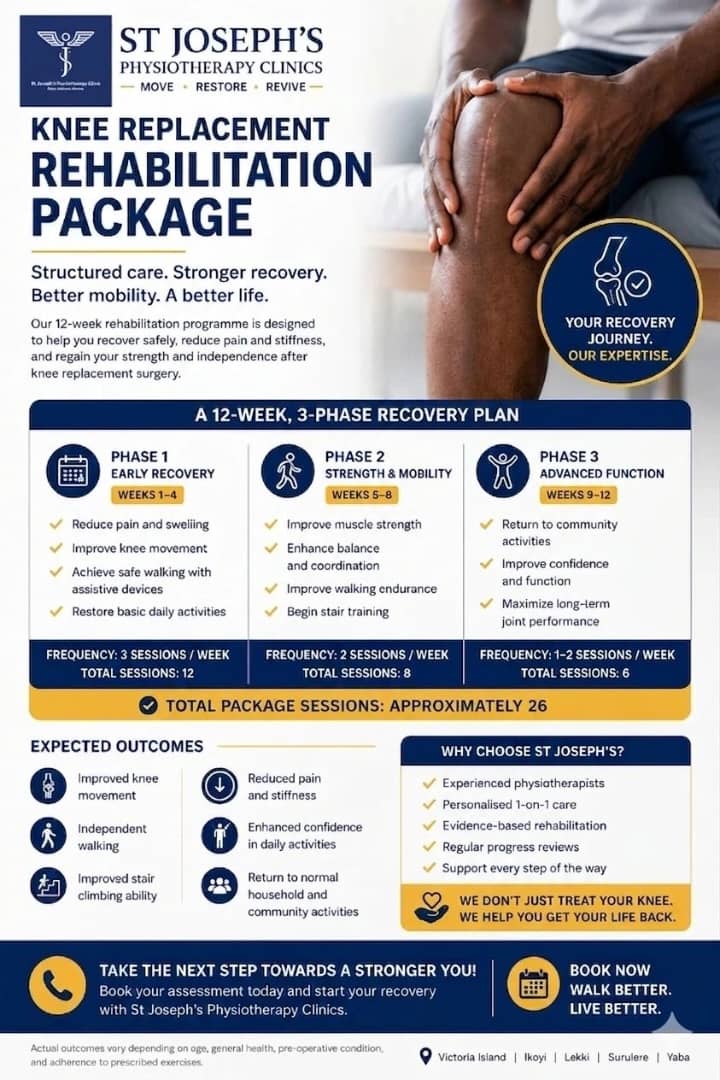
Complete Knee Replacement Rehabilitation Package in Lagos
Knee replacement surgery is a major step toward pain relief and improved mo…

NAMDA threatens strike over unpaid medical lecturers’ allowances
The Nigerian Association of Medical and Dental Academics (NAMDA) has warned…

Resident Doctors Signal End to Strike Threat After High-Level Talks with Gbajabiamila
The threat of a nationwide indefinite strike by the Nigerian Association of…
AMLSN Issues Strong Rejoinder to NAMDA on Public Service Establishment Matters
The Association of Medical Laboratory Scientists of Nigeria (AMLSN) has rel…
