Within the past decade, many advances in technology have been made available to help nurses and clinicians perform their jobs and care for patients more efficiently and safely. Consequently, nursing today isn't the same as it was 30 years ago. From such inventions as tablet computers and mobile electronic charts, to radio-frequency identification (RFID)-enabled devices, the healthcare landscape is becoming more advanced and efficient, and the field of nursing has adapted along with these advances.
Naturally, many of these technologies did and still do require education, training, and a period of adoption for nurses to fully embrace them; implementation doesn't simply happen overnight. Evolving care delivery processes in such areas of the hospital as intensive care units (ICUs), emergency/trauma treatment, and recovery rooms have created a need for nurses with advanced clinical skills and technical savvy. Today, nurses are adapting along with the industry to take advantage of new career opportunities and expand their roles across the care continuum.
 Nurses and Telehealth: An Ideal Match
 As a relatively new healthcare delivery approach, telehealth is transforming how nurses approach and deliver care. Telehealth is currently on the rise, and experts predict that the industry could become a $34 billion market by the end of this decade. Telehealth comes in many flavors, from monitoring patients with chronic conditions through video chat, to providing critical care to patients in remote areas. For example, some healthcare systems have created an eHospital care delivery model in which a small team of nurses and intensivists can remotely monitor and support patient care for more than 100 beds in multiple ICUs. The remote team is stationed around the clock in a "bunker," from which they serve as the clinical resource for smaller hospitals. Moreover, with cameras in all rooms, the remote team can view and interact with patients and their nurses in this version of telehealth.
While this is a common application of telehealth, the care delivery approach can also be as simple as a health system leveraging a mobile application that allows clinicians to collaborate remotely. Increasingly, the objective of telehealth is efficiency, with asynchronous workflows that are highly mobile as opposed to the traditional real-time, provider-to-patient encounter that relies on video or voice technology. In an asynchronous situation, nurses can use telehealth to communicate directly (although not simultaneously) with remote physicians for questions or consultations. This improves the quality and efficiency of patient care in an increasingly dynamic healthcare environment.
The Power of Telehealth
At a time when the aging population is increasing and chronic conditions are becoming more prevalent, the cost of care is also rising. Now more than ever, the healthcare industry needs to prioritize its activities using more cost-effective care delivery processes to streamline clinical workflows and improve patient outcomes. In addition to reducing costs, telehealth and remote monitoring will effectively extend nursing care to a larger and more diverse patient population, which is especially important for areas where clinical resources are limited. This ability to fill in gaps and provide direct care regardless of location means that telehealth can greatly benefit nurses, patients, and health systems.
In rural areas, hospitals face two types of challenges at both the patient and caregiver levels. Nurses and clinicians in remote areas may be responsible for delivering general care to patients, while specialists are centralized in the nearest urban setting. Telehealth offers an alternative means of providing the best care possible should these nurses find themselves in situations in which they need a specialist's assistance to assess and treat certain patients. For example, a pregnant woman might live more than an hour's drive away from the obstetrician managing her high-risk pregnancy. Through leveraging telehealth, she can be monitored remotely from home with self-administered non-stress tests, obviating the need to travel hours to reach a clinic. This can reduce the unnecessary transporting of patients, an undertaking that can worsen their conditions and increase costs.
Source: Medscape Nurses
ABUJA: Training Schedule for Basic Life Support BLS, Pediatric Advanced Life Support (PALS), Advanced Cardiovascular Life Support ACLS, First Aid, CPR, AED
PORTHARCOURT: Training Schedule for Basic Life Support BLS, Pediatric Advanced Life Support (PALS), Advanced Cardiovascular Life Support ACLS, First Aid, CPR, AED
LAGOS: Training Schedule for Basic Life Support BLS, Pediatric Advanced Life Support (PALS), Advanced Cardiovascular Life Support ACLS, First Aid, CPR, AED
STOP paying for airtime and electricity, Let your phone pay its bills with ScreenT
You may also like

FG Supports Robotic Surgery Expansion to Reduce Medical Tourism
Nigeria is taking another step toward strengthening specialised healthcare …
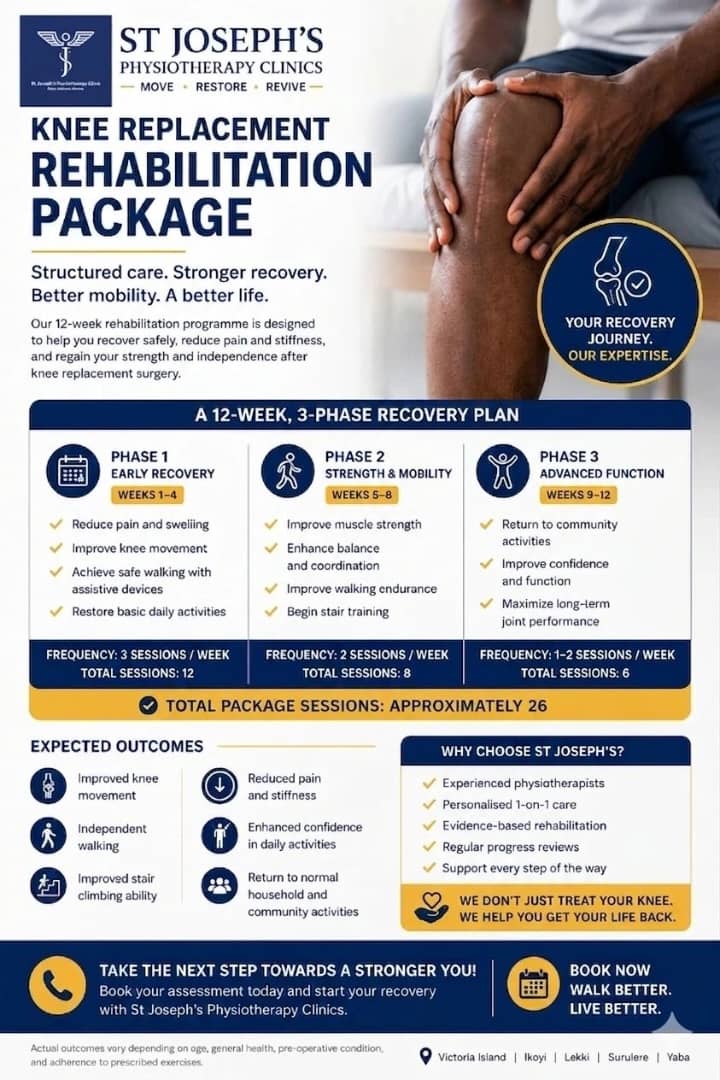
Complete Knee Replacement Rehabilitation Package in Lagos
Knee replacement surgery is a major step toward pain relief and improved mo…
NAMDA threatens strike over unpaid medical lecturers’ allowances
The Nigerian Association of Medical and Dental Academics (NAMDA) has warned…
Resident Doctors Signal End to Strike Threat After High-Level Talks with Gbajabiamila
The threat of a nationwide indefinite strike by the Nigerian Association of…
AMLSN Issues Strong Rejoinder to NAMDA on Public Service Establishment Matters
The Association of Medical Laboratory Scientists of Nigeria (AMLSN) has rel…