On the occasion of World Immunisation Week, The International Council of Nurses (ICN) advocates for nurses to gain greater autonomy in administration of vaccines. One of ICN’s priority areas, immunisation is recognised as one of the most effective means to ensure global health security by preventing roughly three million deaths per year.
Immunisation is one of the most cost-effective investments in healthcare and can be delivered effectively to even the most hard-to-reach populations. Global coverage is inadequate and many low-income and remote regions continue to lack access and progress towards equitable access is worryingly slow. In higher income countries where vaccines are widely available, the uptake may be hindered by a lack of information, misinformation, fear, and mistrust, dangerously affecting the efficacy of immunization programmes and presenting a threat to global health.
 Nurses play a crucial role in supporting immunization – they administer vaccines; work with consumers, families and communities to improve health literacy on immunization including dispelling false information; advocate to increase access to vaccines for at-risk groups. Nurses working in the design and delivery of healthcare services ensure the success of vaccination programmes by integrating vaccination with other health services, such as postnatal care for mothers and babies, and towards strengthening health systems so that vaccines continue to be given even in times of crisis. Supporting and strengthening nurses’ role in deploying immunization programmes also goes towards combatting antimicrobial resistance by monitoring presciptions and reducing the superfluous use of antibiotics on preventable diseases.
 In a recently published article in the International Journal of Nursing Studies, Dr Frances Hughes, ICN CEO, and Dr Judith Shamian, ICN President, among others, said, “Governments and decision making bodies need to understand that including nurses in their deliberation is not “nice to do” but a “MUST DO” because of the knowledge and practice that nursing brings to this burning agenda”.
Nurses also have the potential to lobby their governments and campaign for health policies that facilitate the availability and use of vaccines at state-levels, ensuring stronger practices across health systems globally.
However, a high percentage of nurses internationally report a lack of autonomy regarding their ability to administer vaccines to target populations, the task being in far too many cases restricted to doctors, lowering considerably the outreach of nurses on communities.
ABUJA: Training Schedule for Basic Life Support BLS, Pediatric Advanced Life Support (PALS), Advanced Cardiovascular Life Support ACLS, First Aid, CPR, AED
PORTHARCOURT: Training Schedule for Basic Life Support BLS, Pediatric Advanced Life Support (PALS), Advanced Cardiovascular Life Support ACLS, First Aid, CPR, AED
LAGOS: Training Schedule for Basic Life Support BLS, Pediatric Advanced Life Support (PALS), Advanced Cardiovascular Life Support ACLS, First Aid, CPR, AED
STOP paying for airtime and electricity, Let your phone pay its bills with ScreenT
You may also like

FG Supports Robotic Surgery Expansion to Reduce Medical Tourism
Nigeria is taking another step toward strengthening specialised healthcare …
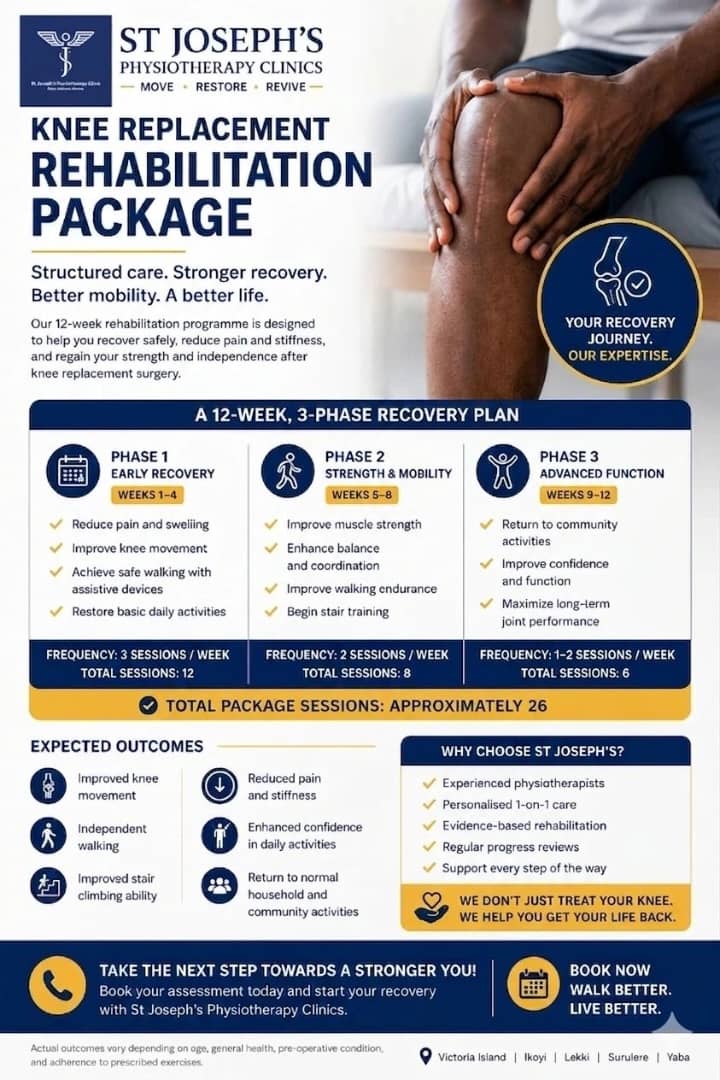
Complete Knee Replacement Rehabilitation Package in Lagos
Knee replacement surgery is a major step toward pain relief and improved mo…

NAMDA threatens strike over unpaid medical lecturers’ allowances
The Nigerian Association of Medical and Dental Academics (NAMDA) has warned…

Resident Doctors Signal End to Strike Threat After High-Level Talks with Gbajabiamila
The threat of a nationwide indefinite strike by the Nigerian Association of…

AMLSN Issues Strong Rejoinder to NAMDA on Public Service Establishment Matters
The Association of Medical Laboratory Scientists of Nigeria (AMLSN) has rel…