A new type of MRI scan can predict the risk of having a stroke, researchers have said in a study.
 The non-invasive technique, developed by scientists at the University of Oxford, predicts whether plaques in the carotid arteries are rich in cholesterol and therefore more likely to cause a stroke.
 Carotid arteries supply the brain with blood. The rupture of fatty plaques can block them and possibly starve the brain of oxygen, causing potentially debilitating and life-threatening strokes.
A quarter of the more than 100,000 strokes in the United Kingdom (UK) each year are caused by carotid plaques.
The study, published in the journal JACC: Cardiovascular Imaging on Thursday, created a test that produces a quantitative result, whereas traditionally the risk of stroke is measured by the size of the plaque in the carotid artery. At present, if a plaque is deemed too big it is removed, but the researchers say fatty plaques that are not large yet have a high risk of rupturing can be missed.
By: Chukwuma Muanya
The Guardian News
ABUJA: Training Schedule for Basic Life Support BLS, Pediatric Advanced Life Support (PALS), Advanced Cardiovascular Life Support ACLS, First Aid, CPR, AED
PORTHARCOURT: Training Schedule for Basic Life Support BLS, Pediatric Advanced Life Support (PALS), Advanced Cardiovascular Life Support ACLS, First Aid, CPR, AED
LAGOS: Training Schedule for Basic Life Support BLS, Pediatric Advanced Life Support (PALS), Advanced Cardiovascular Life Support ACLS, First Aid, CPR, AED
STOP paying for airtime and electricity, Let your phone pay its bills with ScreenT
You may also like

FG Supports Robotic Surgery Expansion to Reduce Medical Tourism
Nigeria is taking another step toward strengthening specialised healthcare …
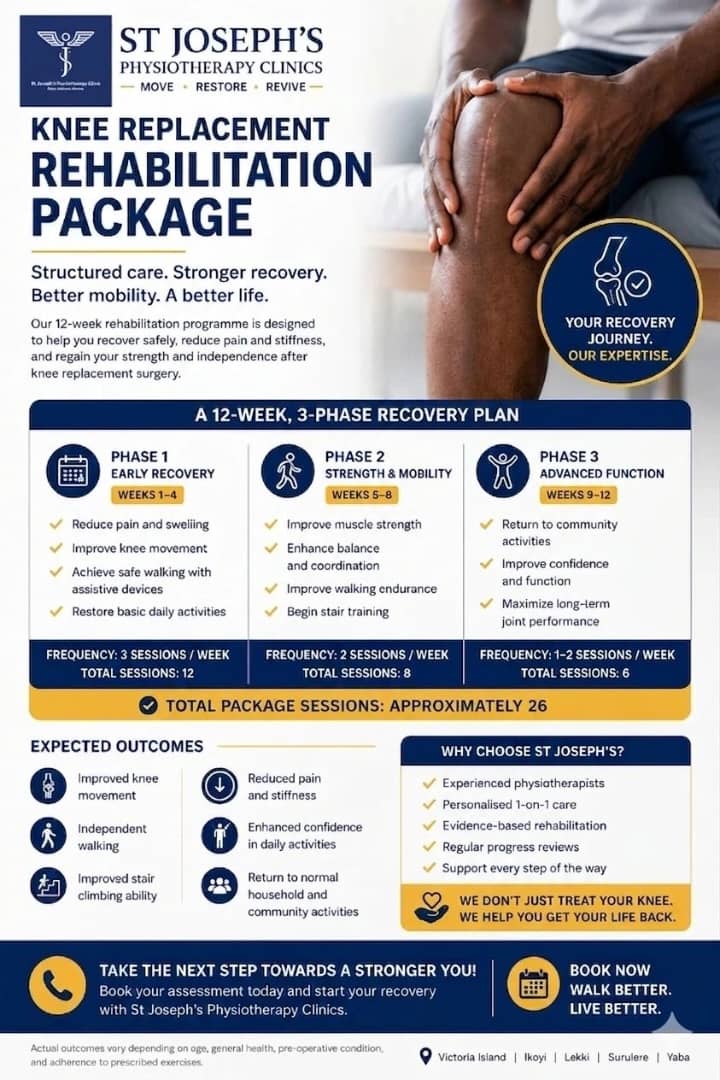
Complete Knee Replacement Rehabilitation Package in Lagos
Knee replacement surgery is a major step toward pain relief and improved mo…

NAMDA threatens strike over unpaid medical lecturers’ allowances
The Nigerian Association of Medical and Dental Academics (NAMDA) has warned…

Resident Doctors Signal End to Strike Threat After High-Level Talks with Gbajabiamila
The threat of a nationwide indefinite strike by the Nigerian Association of…
AMLSN Issues Strong Rejoinder to NAMDA on Public Service Establishment Matters
The Association of Medical Laboratory Scientists of Nigeria (AMLSN) has rel…