Main Highlight of the week Risk Communication: Understanding its role in outbreak response
In this reporting week, the ongoing Cerebrospinal Meningitis (CSM) outbreak entered its 23rd week. The number of affected states increased to 25 and four (4) additional LGAs reported a suspected case, bringing the total number of affected LGAs to 230. Since onset, a total of 14,298 suspected cases have been identified, out of which 901 samples were collected for laboratory testing. 437 of samples tested were confirmed positive for Neisseria meningitidis. 75.7% (331) of tested samples showed the causative organism to be Neisseria meningitidis serogroup C.
 The number of deaths recorded so far is 1,148 giving a case fatality rate (CFR) of 8%. The events during the course of this outbreak have revealed gaps in our response systems, which need to be addressed for future outbreak response activities. Improvements in the surveillance systems have been palpable, given the high number of suspected cases identified as a result of the sensitivity of the standard case definition for CSM and enhanced surveillance activities. However, the number of samples collected cumulatively as seen above is low (6.3%).
 Zamfara and Sokoto States recorded individual increases in lumbar puncture procedures carried out (21% and 23% increased rates respectively) in the last few weeks, which was as a result of on-site support provided by the Nigeria Centre for Disease Control (NCDC) and its partner agencies. The number of deaths recorded has progressively increased, despite recorded outbreak response activities. An identified tool for improving good outcomes in outbreaks is risk communication
A key component to a preparedness plan is risk communication. Effective risk communication during an outbreak is not limited to the exchange of information between responsible authorities and the populace. It also entails taking proactive steps towards creating a bond of trust, accountability and reliability between public health authorities and the individuals in the communities. An outcome of this is creating awareness of expectations in the event of an outbreak. Others include providing guidance during an outbreak and evaluating systems for effective feedback following an outbreak
A coordinated approach is fundamental for effective risk communication. It is essential that identified key stakeholders understand the importance of effective risk communication and are able to garner and channel all available resources to implement related activities. Outbreaks and emergencies of public health concern will continue to test our response systems. Therefore, meaningful and coordinated steps should be taken to reduce morbidity and mortality from these events.
As part of activities to address gaps and strengthen our preparedness and response systems, the NCDC alongside the National Primary Health Care Development Agency (NPHCDA) and other partner agencies have carried out a week long capacity building session on effective risk communication on Meningitis for Health Educators and Directors of Public Health in all 19 Northern States of Nigeria. Future plans will be targeted at conducting these sessions in all States of the Federation. It is hoped that participants are able to use these training sessions as a tool for improving preparedness and response to outbreak and emergencies of public health concern in their respective States.
In the reporting week:
. There were 250 new cases of Acute Flaccid Paralysis (AFP) reported. None was confirmed as Polio. The last reported case of Polio in Nigeria was in August 2016. Active case search for AFP is being intensified as Nigeria has assiduously reinvigorated its efforts at eradicating Polio.
. Three suspected cases of Cholera were reported from Kaduna South LGA in Kaduna State and no death was recorded.
. There were 128 suspected cases of Cerebrospinal Meningitis (CSM) reported from 45 LGAs in 12 States. Of these, six were laboratory confirmed and four deaths were recorded. Ongoing surveillance for CSM has been intensified in the States.
. There were 422 suspected cases of Measles reported from 28 States including the FCT. Three laboratory confirmed cases were recorded with six deaths.
For The Full Report CLICK HERE
ABUJA: Training Schedule for Basic Life Support BLS, Pediatric Advanced Life Support (PALS), Advanced Cardiovascular Life Support ACLS, First Aid, CPR, AED
PORTHARCOURT: Training Schedule for Basic Life Support BLS, Pediatric Advanced Life Support (PALS), Advanced Cardiovascular Life Support ACLS, First Aid, CPR, AED
LAGOS: Training Schedule for Basic Life Support BLS, Pediatric Advanced Life Support (PALS), Advanced Cardiovascular Life Support ACLS, First Aid, CPR, AED
STOP paying for airtime and electricity, Let your phone pay its bills with ScreenT
You may also like

FG Supports Robotic Surgery Expansion to Reduce Medical Tourism
Nigeria is taking another step toward strengthening specialised healthcare …
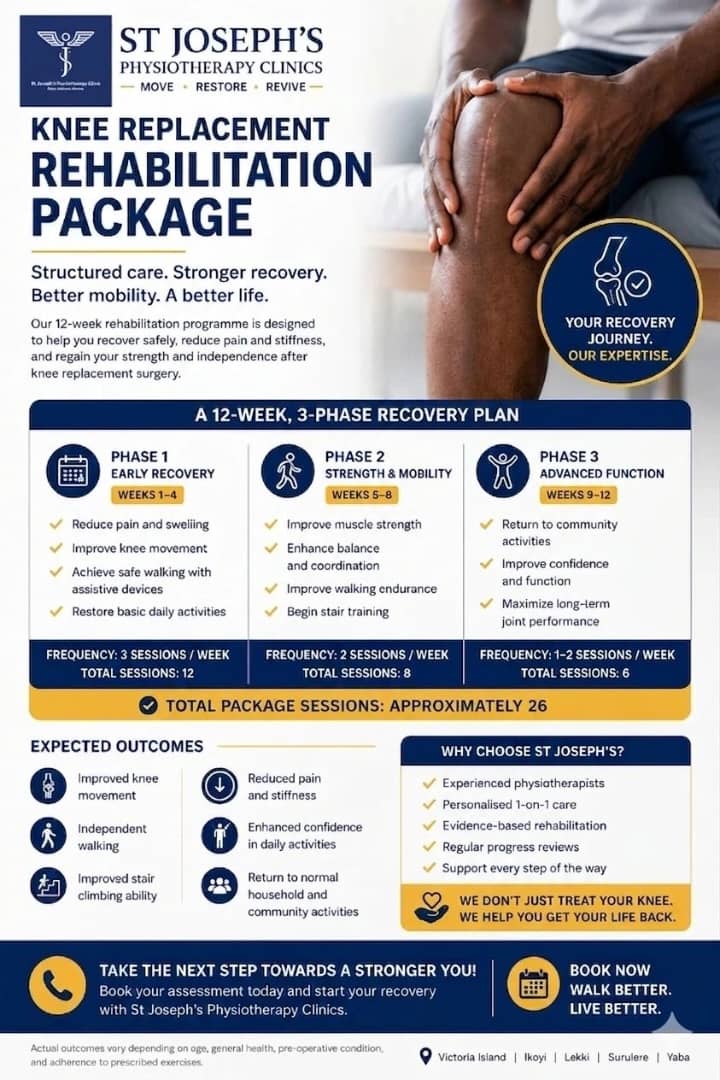
Complete Knee Replacement Rehabilitation Package in Lagos
Knee replacement surgery is a major step toward pain relief and improved mo…

NAMDA threatens strike over unpaid medical lecturers’ allowances
The Nigerian Association of Medical and Dental Academics (NAMDA) has warned…

Resident Doctors Signal End to Strike Threat After High-Level Talks with Gbajabiamila
The threat of a nationwide indefinite strike by the Nigerian Association of…
AMLSN Issues Strong Rejoinder to NAMDA on Public Service Establishment Matters
The Association of Medical Laboratory Scientists of Nigeria (AMLSN) has rel…
