Treatments for fungal nail infections
Treatment isn’t always needed for a mild fungal nail infection because it’s unlikely to cause any further problems and you may feel it’s not worth treating. Whether you decide to have treatment or not, you should still practise good foot hygiene to stop the infection getting worse or spreading to others. Speak to your doctor if you’re bothered by the appearance of the affected nail, or it’s causing problems such as pain and discomfort. They’ll probably recommend:
• antifungal tablets – tablets taken once or twice a day for several months
• antifungal nail paints – special paints applied directly to the nail over several months
• nail softening kits – where a paste is used to soften infected parts of the nail, before they’re removed with a scraping device
A procedure to remove the nail completely may be recommended in severe cases. Laser treatment, where a high-energy laser is used to destroy the fungus, is also an option. But this is only available privately and can be expensive.
Treatment
Treatment may not be necessary in mild cases of fungal nail infection. For more severe or troublesome cases, antifungal medication may be recommended. A fungal nail infection is unlikely to get better without treatment, but if you’re not bothered by it you might decide it’s not worth treating because treatment can take a long time, may cause side effects, and isn’t always effective. Whether or not you decide to have treatment, you should still follow the self-help advice below to help stop the condition getting worse or spreading to others.
 Do these
 The advice below may be helpful if you have a fungal nail infection:
• keep your hands and feet clean and dry
• wear well-fitting shoes made of natural materials and clean cotton socks – these will allow your feet to “breathe”
• clip your nails to keep them short – use a separate pair of clippers or scissors for the infected nail
• don’t share towels and socks with other people, and ensure your towels are washed regularly
• don’t walk around barefoot in public pools, showers, and locker rooms – special shower shoes are available to protect your feet
• consider replacing old footwear as it could be the source of the infection
• treat athlete’s foot as soon as possible to avoid the infection spreading to your nails
Antifungal medication
Speak to your doctor if you’re embarrassed by the appearance of the affected nail, or it’s causing problems such as pain and discomfort. They’ll usually recommend treatment with antifungal medication, either in the form of tablets or a special paint you apply directly to the nail. A small sample of the infected nail may need to be taken and sent off for testing before treatment starts, to confirm that you do have a fungal infection.
Antifungal tablets
Terbinafine and itraconazole are the two medicines most commonly prescribed for fungal nail infections. These usually need to be taken once or twice a day for several months to ensure the infection has completely cleared up. If you stop taking the medication too early, the infection may return.
Possible side effects of antifungal tablets can include headache, itching, diarrhoea, loss of sense of taste, and a rash.
Antifungal nail paint
If you prefer not to take antifungal tablets, your doctor may suggest you try antifungal nail paint instead. Nail paint isn’t generally considered to be as effective as tablets because it can be difficult for it to reach the deeper layers of the nail. However, it doesn’t usually cause any side effects. Like antifungal tablets, antifungal nail paint also normally needs to be used for several months to ensure that the infection has cleared up.
Results of treatment
Antifungal treatments are thought to be effective in treating about 60-80% of fungal nail infections. It can take between six and 18 months for the appearance of the affected nail to return to normal, and in some cases the nail may not look the same as before the infection. If the treatment is working, you should see a new healthy nail start to grow from the base of nail over the course of a few months. The old infected nail should begin to grow out and can be gradually clipped away. Speak to your doctor if new, healthy nail doesn’t start to grow after a few weeks of treatment. Keep using the treatment until your doctor says you can stop, as stopping too early could result in the infection returning.
Softening and scraping away the nail
As it can take a long time for antifungal medication to work, some people may prefer to use a treatment that involves softening and removing infected parts of nail over a few weeks. Treatment kits are available from pharmacies that contain a 40% urea paste, plasters and a scraping device. The paste softens the infected parts of the nail, allowing them to be scraped away so they can be gradually replaced with healthy nail.
To use the treatment:
• wash the affected area and dry it thoroughly
• carefully apply the paste to the infected nails
• cover the nails with plasters and leave them for 24 hours
• wash the paste off the next day and scrape away the softened parts of the nail
• repeat this process each day for two to three weeks
• Once no more infected parts of the nail can be removed, ask your pharmacist for antifungal nail paint to prevent re-infection as the nail regrows over the next few months.
• Removing the nail
• A procedure to remove affected nails completely isn’t usually necessary, but may be recommended if the infection is severe or painful and other treatments haven’t helped. If your nail is surgically removed, a new nail should eventually grow back in its place. However, it could take a year or more for the nail to grow back completely.
Preventing fungal nail infections:
1. You can reduce your risk of developing a fungal nail infection by:
2. keeping your hands and feet clean and dry
3. wearing well-fitting shoes made of natural materials and clean cotton socks – these will allow your feet to “breathe”
4. clipping your nails to keep them short – don’t share clippers or scissors with other people
5. not sharing towels and socks with other people, and ensure your towels are washed regularly
6. not walking around barefoot in public pools, showers, and locker rooms – special shower shoes are available to protect your feet
7. replacing old footwear that could be contaminated with fungi
8. treating athlete’s foot as soon as possible to avoid the infection spreading to your nails
NOTE: Nail salon equipment can sometimes be the source of fungal nail infections. If you regularly visit a salon, make sure any equipment used is properly sterilised between uses.
ABUJA: Training Schedule for Basic Life Support BLS, Pediatric Advanced Life Support (PALS), Advanced Cardiovascular Life Support ACLS, First Aid, CPR, AED
PORTHARCOURT: Training Schedule for Basic Life Support BLS, Pediatric Advanced Life Support (PALS), Advanced Cardiovascular Life Support ACLS, First Aid, CPR, AED
LAGOS: Training Schedule for Basic Life Support BLS, Pediatric Advanced Life Support (PALS), Advanced Cardiovascular Life Support ACLS, First Aid, CPR, AED
STOP paying for airtime and electricity, Let your phone pay its bills with ScreenT
You may also like

FG Supports Robotic Surgery Expansion to Reduce Medical Tourism
Nigeria is taking another step toward strengthening specialised healthcare …
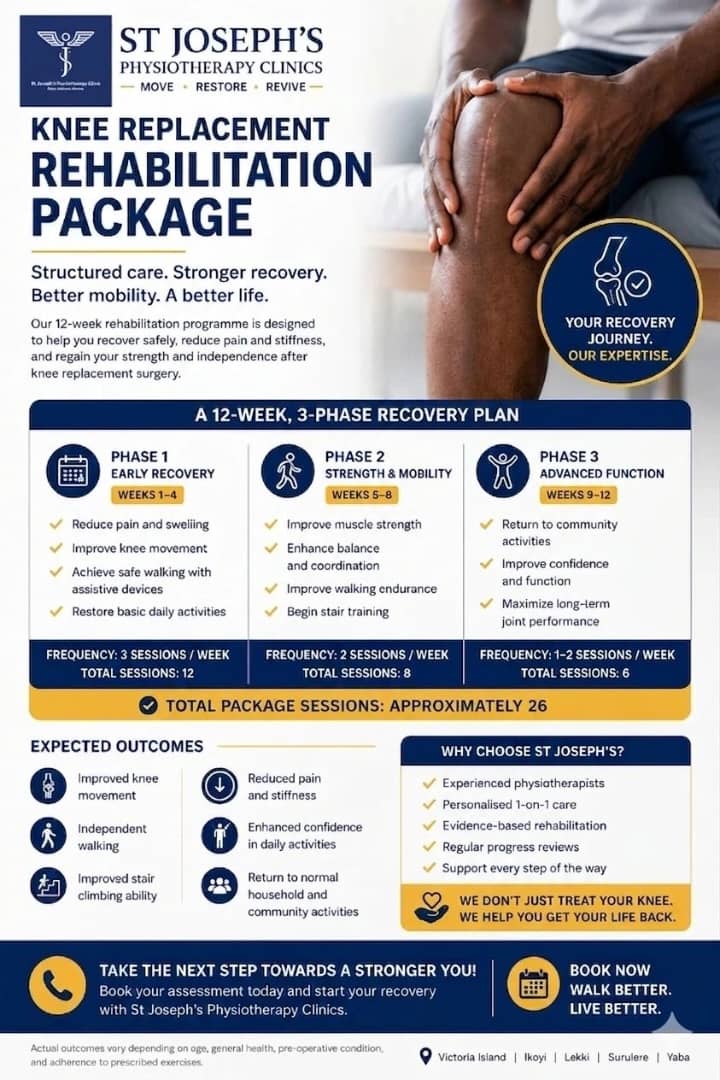
Complete Knee Replacement Rehabilitation Package in Lagos
Knee replacement surgery is a major step toward pain relief and improved mo…

NAMDA threatens strike over unpaid medical lecturers’ allowances
The Nigerian Association of Medical and Dental Academics (NAMDA) has warned…

Resident Doctors Signal End to Strike Threat After High-Level Talks with Gbajabiamila
The threat of a nationwide indefinite strike by the Nigerian Association of…

AMLSN Issues Strong Rejoinder to NAMDA on Public Service Establishment Matters
The Association of Medical Laboratory Scientists of Nigeria (AMLSN) has rel…