Drug treatments designed to suppress HIV could be driving up rates of syphilis, a new study has warned. Although, efforts to reduce HIV have prompted the introduction of highly active antiretroviral therapy (HAART) which can control viral load – making it virtually undetectable – and preventing or delaying the progression to AIDS, the new research claims that the absence of the fear factor may have prompted higher rates of sexually-transmitted diseases (STDs) as a result of risky, unprotected sex.
This, the researchers said, could be an explanation for the rapidly rising rates of syphilis in gay and bisexual men in the last three years.
.jpg) Syphilis, which is caused by the bacteria Treponema pallidum, is a highly contagious disease spread primarily by sexual activity, including oral and anal sex. Among gay/bisexual men, syphilis rates are 107 times higher than among straight men.
Syphilis, which is caused by the bacteria Treponema pallidum, is a highly contagious disease spread primarily by sexual activity, including oral and anal sex. Among gay/bisexual men, syphilis rates are 107 times higher than among straight men. In 2015, 81.7 per cent of the reported male syphilis cases were from men whom had had sex with other men.
But researchers said it’s not clear why rates of syphilis among gay/ bisexual men are much higher than chlamydia or gonorrhoea rates.
This is because HAART boosts immune system activity, and therefore is expected to lower susceptibility to infection.
The ‘mailonline’ reported that the scientists reviewed the impact of HAART on behavioural and immune system changes. Similarly, they created two risk ‘models’ to test the likelihood of syphilis infection.
The lower risk model compared someone on HAART with no treatment in an HIV-positive partner, and the higher risk model compared existing syphilis infection with a non-infected partner who was either HIV negative or positive.
By: Appolonia Adeyemi
New Telegraph News
ABUJA: Training Schedule for Basic Life Support BLS, Pediatric Advanced Life Support (PALS), Advanced Cardiovascular Life Support ACLS, First Aid, CPR, AED
PORTHARCOURT: Training Schedule for Basic Life Support BLS, Pediatric Advanced Life Support (PALS), Advanced Cardiovascular Life Support ACLS, First Aid, CPR, AED
LAGOS: Training Schedule for Basic Life Support BLS, Pediatric Advanced Life Support (PALS), Advanced Cardiovascular Life Support ACLS, First Aid, CPR, AED
STOP paying for airtime and electricity, Let your phone pay its bills with ScreenT
You may also like

FG Supports Robotic Surgery Expansion to Reduce Medical Tourism
Nigeria is taking another step toward strengthening specialised healthcare …
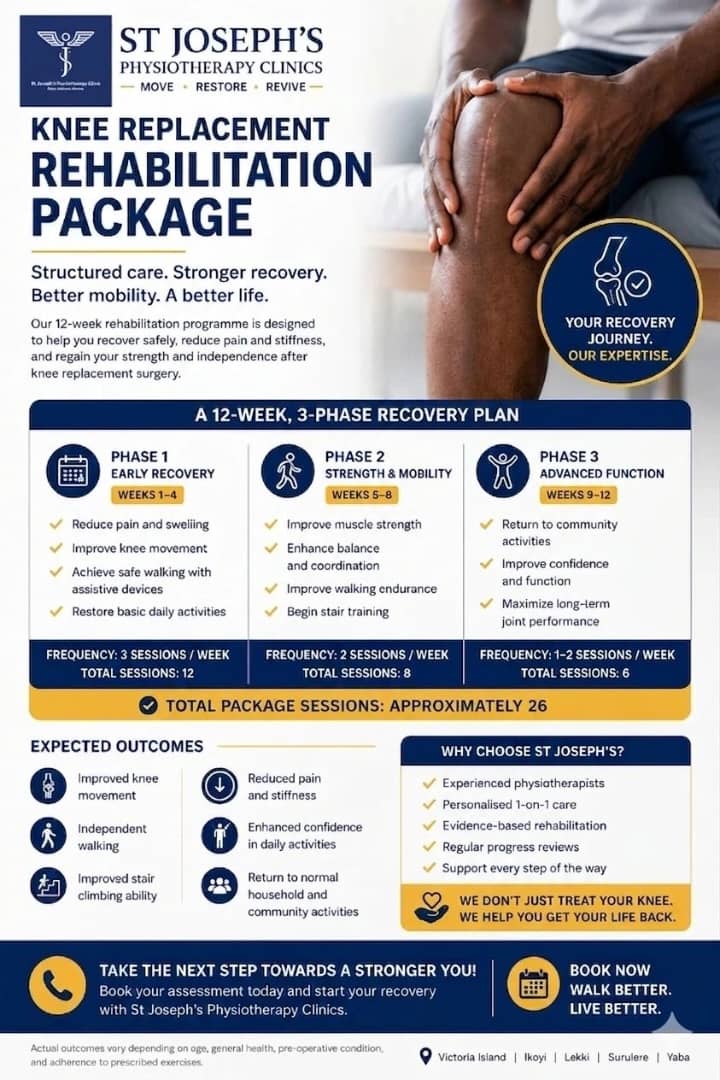
Complete Knee Replacement Rehabilitation Package in Lagos
Knee replacement surgery is a major step toward pain relief and improved mo…

NAMDA threatens strike over unpaid medical lecturers’ allowances
The Nigerian Association of Medical and Dental Academics (NAMDA) has warned…

Resident Doctors Signal End to Strike Threat After High-Level Talks with Gbajabiamila
The threat of a nationwide indefinite strike by the Nigerian Association of…
AMLSN Issues Strong Rejoinder to NAMDA on Public Service Establishment Matters
The Association of Medical Laboratory Scientists of Nigeria (AMLSN) has rel…