•••
Cancer specialists have been unsure about how best to treat certain patients with an advanced form of lung cancer.
Now, a new analysis of existing research finds that traditional chemotherapy outperforms newer, targeted treatments in delaying the time until the cancer worsens for these patients.
However, chemo doesn’t extend their survival, the review found.
Patients with non-small cell lung cancer make up 85 percent to 90 per cent of lung cancer patients.
Some of them have a mutation in a gene that makes their tumors more responsive to medications known as epidermal growth factor receptor tyrosine kinase inhibitors.
But most patients with non-small cell lung cancer do not have this mutation, and doctors have been unsure whether this larger group of patients should get chemo or the targeted medication.
“In our opinion, conventional chemotherapy is a better treatment option for patients if patients are in suitable condition for chemotherapy because it is associated with delayed tumor progression and higher rate of tumor shrinkage,” said review co-author Dr. Dong-Wan Kim, of the department of internal medicine at Seoul National University Hospital in South Korea.
About 10 percent of patients in the West and half of Asian patients have the mutation, according to the study, published in the issue of the Journal of the American Medical Association.
People with advanced non-small cell lung cancer typically survive for only 10 to 12 months, said Dr. Suresh Ramalingam, a professor of medical oncology at Emory University’s Winship Cancer Institute in Atlanta.
The authors of the new analysis looked at 11 prior studies that included over 1,600 patients who didn’t have the mutation.
Overall, half of those on traditional chemotherapy lasted 6.4 months or more before their cancer worsened, the study found.
But that midpoint, or median, of progression-free survival was just 4.5 months for those who took medications that help lung cancer patients with the mutation — erlotinib (Tarceva) and gefitinib (Iressa).
However, the length of time patients lived after the treatment wasn’t appreciably different between the two groups.
Still, in this group of patients, even in the late stages of the disease, “chemotherapy appears to have a modest advantage,” Ramalingam said.
Do the treatments matter if they don’t extend lifespan? Yes, said Ramalingam.
“Improvements in outcome for lung cancer have mostly come in incremental steps,” said Ramalingam.
“An improvement in survival by a few months is still valuable for what was considered an untreatable disease not too long ago.”
New York Times News Service.
ABUJA: Training Schedule for Basic Life Support BLS, Pediatric Advanced Life Support (PALS), Advanced Cardiovascular Life Support ACLS, First Aid, CPR, AED
PORTHARCOURT: Training Schedule for Basic Life Support BLS, Pediatric Advanced Life Support (PALS), Advanced Cardiovascular Life Support ACLS, First Aid, CPR, AED
LAGOS: Training Schedule for Basic Life Support BLS, Pediatric Advanced Life Support (PALS), Advanced Cardiovascular Life Support ACLS, First Aid, CPR, AED
STOP paying for airtime and electricity, Let your phone pay its bills with ScreenT
You may also like

FG Supports Robotic Surgery Expansion to Reduce Medical Tourism
Nigeria is taking another step toward strengthening specialised healthcare …
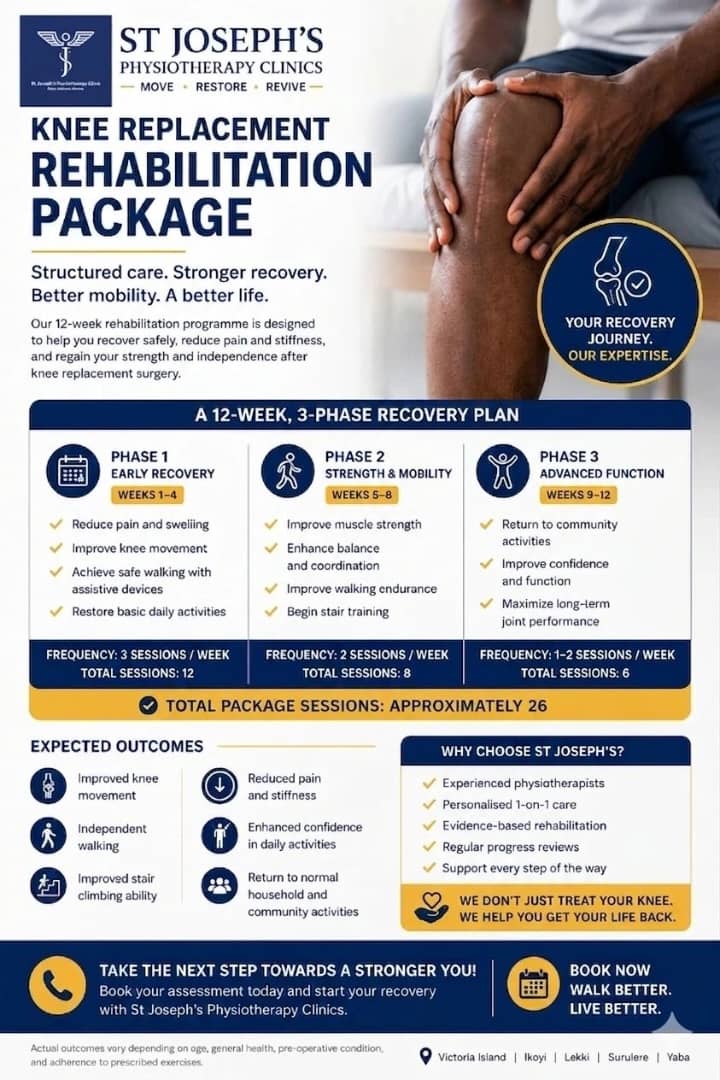
Complete Knee Replacement Rehabilitation Package in Lagos
Knee replacement surgery is a major step toward pain relief and improved mo…

NAMDA threatens strike over unpaid medical lecturers’ allowances
The Nigerian Association of Medical and Dental Academics (NAMDA) has warned…

Resident Doctors Signal End to Strike Threat After High-Level Talks with Gbajabiamila
The threat of a nationwide indefinite strike by the Nigerian Association of…
AMLSN Issues Strong Rejoinder to NAMDA on Public Service Establishment Matters
The Association of Medical Laboratory Scientists of Nigeria (AMLSN) has rel…