The killer Ebola outbreak in the Democratic of Congo will only get worse if political instability continues to break the public's trust, experts fear. Professor Jeremy Farrar, an infectious disease expert and director of the Wellcome Trust, said there is 'nothing to stop' the epidemic spiralling into 'worst case scenario' as a result of ongoing political conflict.
Felix Tshisekedi was declared the winner after the DRC's presidential elections on December 30, which took place two years behind schedule. But accusations that the results of the first uncontested democratic transfer of power after 18 years don't 'add up' are threatening more violence.
As a result the 'public health will suffer', as confidence in authorities is essential for containing the virus - considered one of the most lethal in existence. Ebola has already killed a total of 392 people, 343 confirmed, as of January 12, according to the World Health Organisation (WHO).
Professor Farrar, who recently visited the DRC with a WHO leadership team, said: 'The worst case scenario is that political instability remains, mistrust grows ... and then there's nothing to stop the epidemic getting embedded into a big urban centre and taking off as it did in West Africa.'
The breakout is the second largest in history after the 2014 West Africa Ebola that lasted for two years, infecting 28,000 and killing more than 11,300.
DOES A QUARANTINED US MEDIC WHO RETURNED FROM THE DRC HAVE EBOLA?
A US medic who was quarantined amid fears he caught Ebola while treating patients in Africa has been released from hospital. The unnamed physician, 39, did not display any symptoms during his three-week stay in medical isolation at a hospital in Nebraska.
He had been in quarantine since December 29, after returning from the Democratic Republic of Congo, where an Ebola outbreak is ongoing. The patient came home from a trip to Burundi, in central Africa. The only cases of Ebola reported in Africa this year have been in the DRC.
Reports suggest the medic was given an experimental Ebola vaccine as a post-exposure preventive precaution.
Mr Tshisekedi was surprisingly declared the winner of the election on Thursday, leading to claims of fraud and calls for a recount. It was supposed to mark the end of a chaotic 18 years of ruling by President Joseph Kabila, and it was believed that Martin Fayulu, Mr Tshisekedi's rival within the opposition, would win.
The announcement has threatened more volatility in the unstable African state.
Professor Farrar said making sure the public are confident in health authorities is essential when fighting a fast-spreading disease, especially where local services are scant.
Professor Farrar said: 'When you have political instability, public health always suffers.'
An Ebola centre was ransacked in December by protesters who were furious over further voting delays.
Three cities in the DRC, Beni and Butembo in the eastern North Kivu province, and the city of Yumbi in western Bandundu province, were rescheduled by the electoral commission CENI to take place in March this year.
In response, the treatment centre, housing people suspected of having the highly contagious disease, was attacked.
It's not the first time health workers have been at the forefront of conflict - with medical staff being kidnapped and killed by armed rebels in previous months.
As of 12 January, the total of Ebola cases has risen to 644, including 595 confirmed and 49 probable cases.
The risk of the disease spreading remains 'very high' at national and regional levels, according to the WHO, still concentrated in North Kivu and Ituri provinces. There are some signs case numbers in the North Kivu city of Beni may be dwindling, but WHO experts are cautious.
They say the apparent lull may be due to people getting ill but failing to seek proper diagnosis and treatment.
Professor Farrar said people are often scared to come forward to government or international health teams who are trying to help.
The outbreak, which has been difficult to control because of armed violence and community protests, is expected to rage on into the middle of this year, experts on the ground have warned.
Neighboring countries Uganda, Rwanda and South Sudan have been on high alert for months, as the WHO works urgently to avoid people becoming infected over borders.
WHAT IS EBOLA AND HOW DEADLY IS IT?
Ebola, a haemorrhagic fever, killed at least 11,000 across the world after it decimated West Africa and spread rapidly over the space of two years.
That epidemic was officially declared over back in January 2016, when Liberia was announced to be Ebola-free by the WHO. The country, rocked by back-to-back civil wars that ended in 2003, was hit the hardest by the fever, with 40 per cent of the deaths having occurred there. Sierra Leone reported the highest number of Ebola cases, with nearly of all those infected having been residents of the nation.
WHERE DID IT BEGIN?
An analysis, published in the New England Journal of Medicine, found the outbreak began in Guinea - which neighbours Liberia and Sierra Leone. A team of international researchers were able to trace the epidemic back to a two-year-old boy in Meliandou - about 400 miles (650km) from the capital, Conakry.
Emile Ouamouno, known more commonly as Patient Zero, may have contracted the deadly virus by playing with bats in a hollow tree, a study suggested.
By VANESSA CHALMERS HEALTH REPORTER FOR MAILONLINE
ABUJA: Training Schedule for Basic Life Support BLS, Pediatric Advanced Life Support (PALS), Advanced Cardiovascular Life Support ACLS, First Aid, CPR, AED
PORTHARCOURT: Training Schedule for Basic Life Support BLS, Pediatric Advanced Life Support (PALS), Advanced Cardiovascular Life Support ACLS, First Aid, CPR, AED
LAGOS: Training Schedule for Basic Life Support BLS, Pediatric Advanced Life Support (PALS), Advanced Cardiovascular Life Support ACLS, First Aid, CPR, AED
STOP paying for airtime and electricity, Let your phone pay its bills with ScreenT
You may also like

FG Supports Robotic Surgery Expansion to Reduce Medical Tourism
Nigeria is taking another step toward strengthening specialised healthcare …
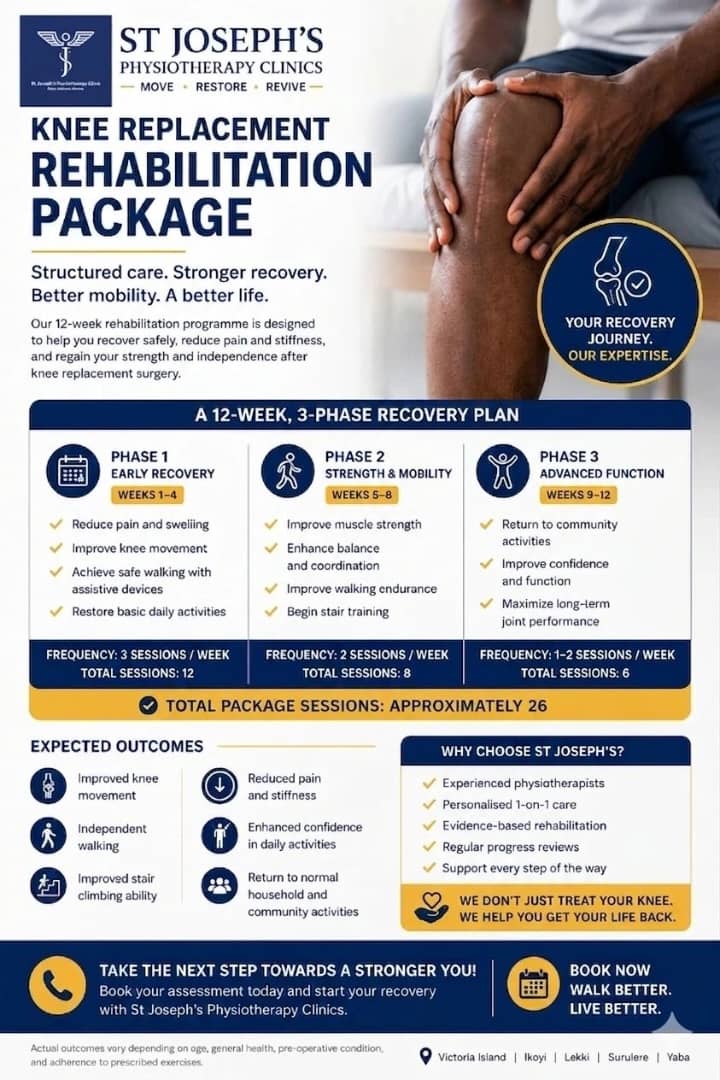
Complete Knee Replacement Rehabilitation Package in Lagos
Knee replacement surgery is a major step toward pain relief and improved mo…

NAMDA threatens strike over unpaid medical lecturers’ allowances
The Nigerian Association of Medical and Dental Academics (NAMDA) has warned…

Resident Doctors Signal End to Strike Threat After High-Level Talks with Gbajabiamila
The threat of a nationwide indefinite strike by the Nigerian Association of…
AMLSN Issues Strong Rejoinder to NAMDA on Public Service Establishment Matters
The Association of Medical Laboratory Scientists of Nigeria (AMLSN) has rel…