The umbrella of pharmacists in Kenya on Thursday decried the high incidences of unregulated medicines in the country after a market study report unearthed the existence of 8 percent prevalence of unregulated medicinal brands in the country.
The study, which was commissioned by the Kenya Association of Pharmaceutical Industry (KAPI), reveals such products, unlike those imported through the official channels, pose grave danger to the patients using them as their efficacy and Quality remains questionable.
 “Following the study, KAPI is optimistic that these findings will serve as a basis for broad discussion among stakeholders, to further enhance the regulation, while raising awareness among the general public,” KAPI Chairperson Anastasia Nyalita said.
 The study was undertaken among 160 practicing retailers through interviews and literature reviews with purchases for 543 products conducted in 326 retail outlets in all the major towns in Kenya.
The study was conducted by pharmaceutical applied researchers from the University of Nairobi School of Pharmacy, focused on nine popular medicine brands and provides a representative sample for a wider market challenge.
Unregulated medicines are those that have entered the market through irregular channels and have not undergone the necessary regulatory scrutiny and market conformity by the Pharmacy and Poisons Board.
Nyalita called for an inter-agency management program and also petitioned the Pharmacy and Poisons Board to consider enhancing its market surveillance activities and fully utilize digital technologies to track shipments and identify unregulated products to ensure that all products available in the Kenyan market are controlled.
She said in order to curb the prevalence of such gray products, KAPI has beefed up its market surveillance efforts and will continue to undertake wider studies to ascertain the full extent of the current challenge in conjunction with the Ministry of Health.
The research’s principal investigator, Joel Lehmann, said that among the sample size, the most affected was a product used to treat high blood pressure.
“For one of the products sampled, the study established that almost 38 percent of the samples purchased for purposes of the study had entered Kenya through an unofficial channel,” Lehman said.
He said the products present a greater risk of deficiencies and poor efficacy due to potentially incorrect storage by middle-men, product packaging intended for other climates, and languages that are not understood in Kenya including Arabic, Turkish and German.
The report comes after the World Customs Organization (WCO) and the International Institute for Research Against Counterfeit Medicines (IRACM) recently announced plans to intensify the fight against illicit and counterfeit drugs in Africa.
The plans by the two organizations are based on the results of their fourth common initiative in the fight against fake medicines in African continent after a study they commissioned established that the number of illicit and potentially dangerous pharmaceutical product seizures has reached dramatic proportions, with almost 900 million counterfeit and illicit medicines being seized within the continent. Enditem
ABUJA: Training Schedule for Basic Life Support BLS, Pediatric Advanced Life Support (PALS), Advanced Cardiovascular Life Support ACLS, First Aid, CPR, AED
PORTHARCOURT: Training Schedule for Basic Life Support BLS, Pediatric Advanced Life Support (PALS), Advanced Cardiovascular Life Support ACLS, First Aid, CPR, AED
LAGOS: Training Schedule for Basic Life Support BLS, Pediatric Advanced Life Support (PALS), Advanced Cardiovascular Life Support ACLS, First Aid, CPR, AED
STOP paying for airtime and electricity, Let your phone pay its bills with ScreenT
You may also like

FG Supports Robotic Surgery Expansion to Reduce Medical Tourism
Nigeria is taking another step toward strengthening specialised healthcare …
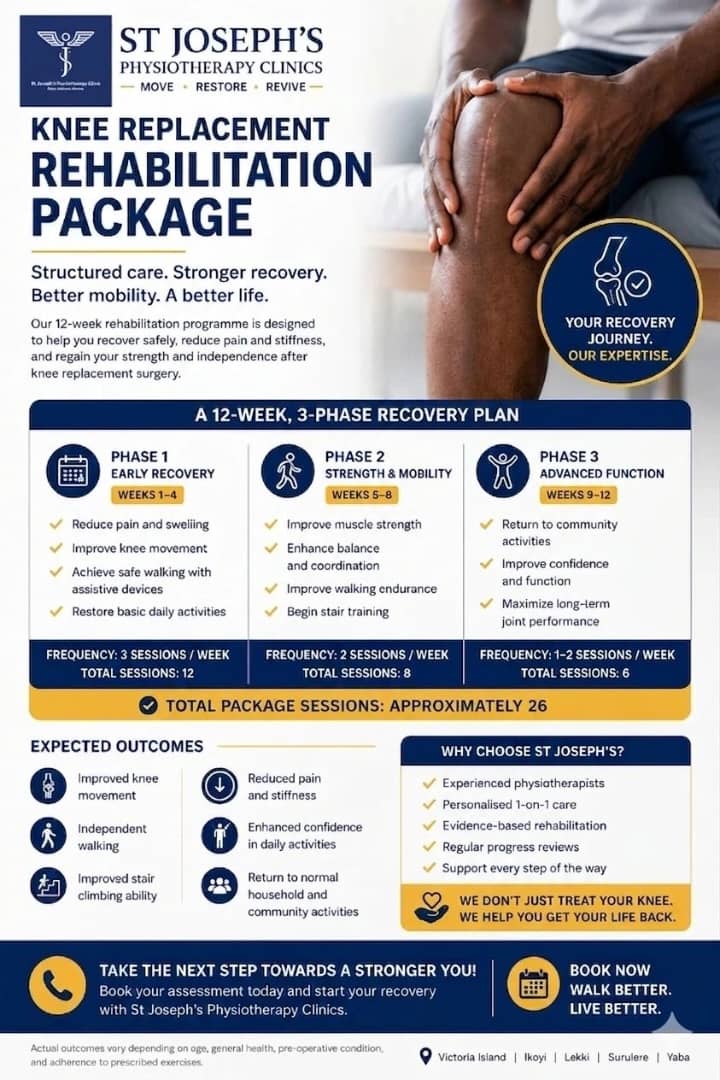
Complete Knee Replacement Rehabilitation Package in Lagos
Knee replacement surgery is a major step toward pain relief and improved mo…

NAMDA threatens strike over unpaid medical lecturers’ allowances
The Nigerian Association of Medical and Dental Academics (NAMDA) has warned…

Resident Doctors Signal End to Strike Threat After High-Level Talks with Gbajabiamila
The threat of a nationwide indefinite strike by the Nigerian Association of…
AMLSN Issues Strong Rejoinder to NAMDA on Public Service Establishment Matters
The Association of Medical Laboratory Scientists of Nigeria (AMLSN) has rel…
