A report sponsored by the World Health Organization, WHO, yesterday has revealed that 41 million children around the world are obese.
And, judging from arguments of health experts, the children may grow to battle killer diseases such as diabetes, hypertension and other heart problems later in life, if swift solutions are not proffered by government of nations where such children exist, and their relatives.
The report submitted to the agency by Commission on Ending Childhood Obesity (ECHO) showed that Africa had 10.3 million of the figure. The report was a product of a two-year process by the WHO to address the “alarming” levels of childhood obesity and overweight, globally.
WHO defines overweight and obesity as abnormal or excessive fat accumulation that presents a risk to health.
.jpg) Overweight and obesity are major risk factors for a number of chronic diseases, including diabetes, cardiovascular diseases and cancer.
Overweight and obesity are major risk factors for a number of chronic diseases, including diabetes, cardiovascular diseases and cancer. Once considered a problem only in high income countries, overweight and obesity are now dramatically on the rise in low- and middleincome countries, particularly in urban settings, said the global health agency.
According to WHO, overweight prevalence among children aged under-five has risen between 1990 and 2014, from 4.8 percent to 6.1 percent, with numbers of affected children rising from 31 million to 41 million during that time. The number of overweight children in lower middleincome countries has more than doubled over that period, from 7.5 million to 15.5 million, the institution argued further in the summary of the report which it made available on its website.
“In 2014, almost half (48%) of all overweight and obese children aged under 5 lived in Asia and onequarter (25%) in Africa. The number of overweight children aged under 5 in Africa has nearly doubled since 1990 (5.4 million to 10.3 million),” it stated.
According to the report, many children are growing up today in environments encouraging weight gain and obesity.
“Driven by globalization and urbanization, exposure to unhealthy (obesogneic) environments is increasing in high-, middle- and low-income countries and across all socioeconomic groups. The marketing of unhealthy foods and non-alcoholic beverages was identified as a major factor in the increase in numbers of children being overweight and obese, particularly in the developing world…
“The ECHO report proposes a range of recommendations for governments aimed at reversing the rising trend of children aged under-five years becoming overweight and obese.
At least 41 million children in this age group are obese or overweight, with the greatest rise in the number of children being obese or overweight coming from low- and middleincome countries.
“Increased political commitment is needed to tackle the global challenge of childhood overweight and obesity,” co-chair of the commission, Sir Peter Gluckman, was quoted as saying in the statement.
He was quoted further: “Increased political commitment is needed to tackle the global challenge of childhood overweight and obesity,” says Sir Peter Gluckman, Commission co-chair.
“WHO needs to work with governments to implement a wide range of measures that address the environmental causes of obesity and overweight, and help give children the healthy start to life they deserve.”
By: Marcus Fatunmole
National Mirror News
ABUJA: Training Schedule for Basic Life Support BLS, Pediatric Advanced Life Support (PALS), Advanced Cardiovascular Life Support ACLS, First Aid, CPR, AED
PORTHARCOURT: Training Schedule for Basic Life Support BLS, Pediatric Advanced Life Support (PALS), Advanced Cardiovascular Life Support ACLS, First Aid, CPR, AED
LAGOS: Training Schedule for Basic Life Support BLS, Pediatric Advanced Life Support (PALS), Advanced Cardiovascular Life Support ACLS, First Aid, CPR, AED
STOP paying for airtime and electricity, Let your phone pay its bills with ScreenT
You may also like

Comrade Lemii Christian Emerges Chairman of NANNM Rivers State Branch in Historic Victory
PORT HARCOURT, NIGERIA Following the long awaited National Association of N…

FG Supports Robotic Surgery Expansion to Reduce Medical Tourism
Nigeria is taking another step toward strengthening specialised healthcare …
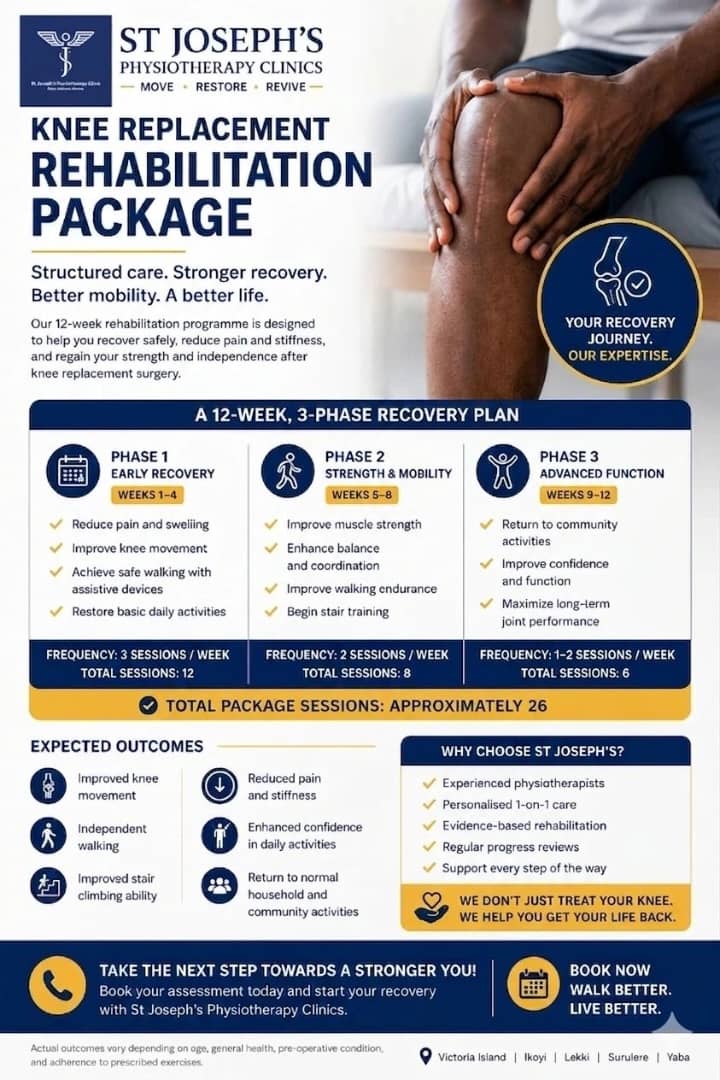
Complete Knee Replacement Rehabilitation Package in Lagos
Knee replacement surgery is a major step toward pain relief and improved mo…

NAMDA threatens strike over unpaid medical lecturers’ allowances
The Nigerian Association of Medical and Dental Academics (NAMDA) has warned…

Resident Doctors Signal End to Strike Threat After High-Level Talks with Gbajabiamila
The threat of a nationwide indefinite strike by the Nigerian Association of…