Sanitation and hygiene are no doubt key to achieving safe and healthy environment.
Unfortunately, cleanliness is not prioritised in Nigeria. The country is still characterised by unhealthy environmental practices like indiscriminate dumping of refuse, open defecation and others.
An international organisation in its recent study, described Nigeria as one of a handful of countries around the world where access to basic sanitation is falling rather than rising, with only 29% of its population having access to basic sanitation.
The study also revealed that 25 per cent of the country’s population practice open defecation while 31 per cent lack access to improved water sources, just as about 68,000 children under the age of five die from water, sanitation and hygiene related diseases.
WaterAid Country Representative, Dr Michael Ojo, speaking during the World Water Day programme, said “Increased competition for water resources and climate change are only exacerbating the crisis, which along with lack of sanitation is responsible for the deaths of more than 68,000 children under five each year in the country.
“Worldwide, more than 2.3 billion people still do not have access to basic sanitation, with devastating results. Some 315,000 children under five die each year of diarrhoeal diseases related to the lack of these basic rights. And 50 per cent of malnutrition cases are linked to chronic diarrhoea caused by lack of clean water, good sanitation and good hygiene including hand washing with soap.”
Ojo further stated that Water, sanitation and hygiene (WASH) are usually considered beyond the remit of a lot of other sectors, saying it a costly perception which hinders progress in achieving overall developmental goals.
According to him, the positive impact of interventions in many areas is often undermined by lack of water, sanitation and hygiene interventions.
“WASH is an essential component of an integrated approach to tackling poverty, hunger, health and inequality and it is essential that WASH is prioritised. Improved water, sanitation and hygiene for all will make sustainable progress across many of the Global Goals” he stated.
He therefore reminded government that the promises of the UN Global Goals on Sustainable Development, to eradicate extreme poverty and create a fairer, more sustainable world, includes Goal 6 to reach everyone, everywhere with clean water and access to safe, private toilets by 2030.
 However, the Minister of Water Resources, Engr Suleiman Adamu, in his address at the World Water Day programme, said lack of access to water and sanitation was not peculiar to Nigeria, describing it as major global challenge.
 He also described the challenges as opportunities, saying “jobs exist where there is public need”
According to him, the ministry is already working out new nationwide water and sanitation programme that will be partly private sector driven, just as he said that they were also working towards proper training of the youths on water and sanitation based enterprises in the bid to ensure that they participate in activities that actually provide openings for immediate employment in corporate jobs and in the small and medium scale industry.
“Every region and state in Nigeria has abundant potentials for creating sustainable jobs in the water and sanitation sector in the country. We shall map these opportunities and come up with a roadmap for exploring them. We shall also work with other key government ministers and organs with a view to making this initiative sustainable and multi-sectoral” he explained.
Reiterating federal government’s commitment to clean and healthy environment, the minister of Environment, Amina Mohammed, said the present administration is ready to collaborate with all stakeholders of environment in order to achieve their desired goals.
Mohammed who stated this while signing the 2016 Environmental Health Officers Registrations Council of Nigeria (EHORECON) Practice Regulations in Abuja, said her vision is to ensure clean, safe and green Nigeria as she promised to increase the workforce and human capacity building necessary for proper monitoring and supervision of the environment.
She observed that protection and keeping healthy environment cannot be achieved and sustained by government alone but in collaboration with everybody including the national and state assemblies, state and local governments, communities, National Orientation Agency (NOA) and media.
The minister stressed that concerted efforts by the stakeholders in maintaining a healthy environment will inculcate in Nigerians the spirit and culture of self-daily sanitation exercise in their various homes, offices and business areas.
According to her “my vision and that of the minister of state is to ensure clean, safe and green Nigeria while our Administration will collaborate with all stakeholders on environment to achieve the desired goals”.
She therefore charged EHORECON to be dedicated and committed to clean and safe environment so as to eliminate killer diseases such as Lassa fever, Zika virus, Ebola and others ravaging the global human lives.
Mohammed also enjoined stakeholders to support the government in maintaining clean, safe, green and healthy environment in order to reduce the devastating effect of diseases and climate change in the ecosystem.
By: Patience Ivie Ihejirika
Leadership News
ABUJA: Training Schedule for Basic Life Support BLS, Pediatric Advanced Life Support (PALS), Advanced Cardiovascular Life Support ACLS, First Aid, CPR, AED
PORTHARCOURT: Training Schedule for Basic Life Support BLS, Pediatric Advanced Life Support (PALS), Advanced Cardiovascular Life Support ACLS, First Aid, CPR, AED
LAGOS: Training Schedule for Basic Life Support BLS, Pediatric Advanced Life Support (PALS), Advanced Cardiovascular Life Support ACLS, First Aid, CPR, AED
STOP paying for airtime and electricity, Let your phone pay its bills with ScreenT
You may also like
Comrade Lemii Christian Emerges Chairman of NANNM Rivers State Branch in Historic Victory
PORT HARCOURT, NIGERIA Following the long awaited National Association of N…

FG Supports Robotic Surgery Expansion to Reduce Medical Tourism
Nigeria is taking another step toward strengthening specialised healthcare …
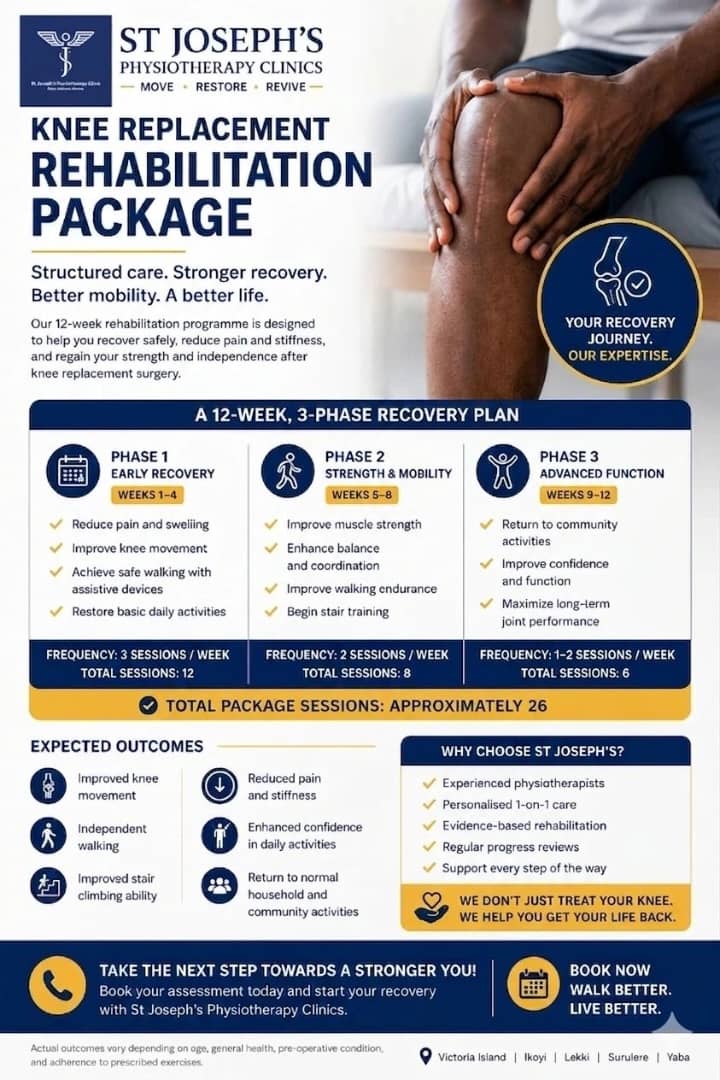
Complete Knee Replacement Rehabilitation Package in Lagos
Knee replacement surgery is a major step toward pain relief and improved mo…

NAMDA threatens strike over unpaid medical lecturers’ allowances
The Nigerian Association of Medical and Dental Academics (NAMDA) has warned…

Resident Doctors Signal End to Strike Threat After High-Level Talks with Gbajabiamila
The threat of a nationwide indefinite strike by the Nigerian Association of…