The Pharmaceutical Society of Nigeria (PSN) has cautioned the federal government against proposed amendments to laws regulating pharmacy practice, warning that the changes could weaken oversight and jeopardise public health.
PSN President, Ibrahim Tanko Ayuba, issued the warning at the 2026 PSN Colloquium held in Yola, Adamawa State. He expressed deep concern over an Amendment Bill currently before the National Assembly, describing it as a threat to the stability of the Pharmacists Council of Nigeria (PCN).
Ayuba argued that altering existing regulatory frameworks would disrupt the PCN’s governance structure, undermine its authority, and compromise the integrity of pharmaceutical practice nationwide. He labelled the proposed amendment an undue interference and a disruption of the autonomy of professionalism in pharmacy practice, urging lawmakers to suspend further deliberations.
He also appealed to President Bola Ahmed Tinubu and the National Assembly to halt all health related amendment bills presently in court, stressing the importance of respecting ongoing judicial processes. A disruption of this smooth equilibrium poses huge threats to the sustainability of the PCN and public health, ultimately, he said.
Ayuba emphasised that pharmacy is the only health profession listed on the Exclusive Legislative List, with drug related matters clearly defined under Item 21 of Part 1 of the Second Schedule of the 1999 Constitution. This, he noted, aligns with global best practices and ensures that drug regulation remains firmly under federal control. Any interference, he warned, could expose Nigerians to unsafe pharmaceutical practices.
He further reminded lawmakers that National Assembly rules prohibit deliberation on matters already before the courts, expressing confidence that the current administration would uphold the rule of law.
Highlighting the PCN’s central role in maintaining standards and discipline within the profession, Ayuba stressed the need for a competent and balanced Governing Council. The Council, he said, oversees practice regulation, training of pharmacists and pharmacy technicians, disciplinary processes, and serves as a bridge between regulatory bodies and stakeholders.
He warned that any imbalance in the Council’s composition could endanger both the profession and public safety, noting that the PCN uniquely regulates not only practitioners but also the business of pharmacy, including community pharmacies, patent medicine vendors, and veterinary pharmaceutical outlets.
Ayuba explained that regulatory enforcement is carried out by Pharmaceutical Inspection Officers, who must be registered pharmacists, while training and disciplinary functions are clearly defined in the PCN Act 2022. He added that the Council’s membership should include experienced professionals from PSN leadership, academia, Directors of Pharmaceutical Services, and representatives of the Federal Ministry of Health.
During the event, Ayuba also commended the Adamawa State Governor, Ahmadu Umaru Fintiri, for what he described as transformative improvements in the state’s healthcare sector. These include the implementation of CONHESS and CONMESS salary structures, the establishment of a Pharmacy Consultancy Cadre, and expanded training programmes for pharmacy technicians.
He noted significant upgrades in healthcare infrastructure across the state, including modern laboratory facilities, cottage hospitals, an infectious disease centre, a dialysis complex offering free services, and advanced surgical units. According to him, these reforms have strengthened public confidence and positioned Adamawa as a model for healthcare delivery in Nigeria.
Ayuba also announced the launch of the PSN Centenary Endowment Fund to support pharmacy education and research, while reiterating the Society’s call for the establishment of a College of Pharmacy at the state university.
You may also like
Comrade Lemii Christian Emerges Chairman of NANNM Rivers State Branch in Historic Victory
PORT HARCOURT, NIGERIA Following the long awaited National Association of N…

FG Supports Robotic Surgery Expansion to Reduce Medical Tourism
Nigeria is taking another step toward strengthening specialised healthcare …
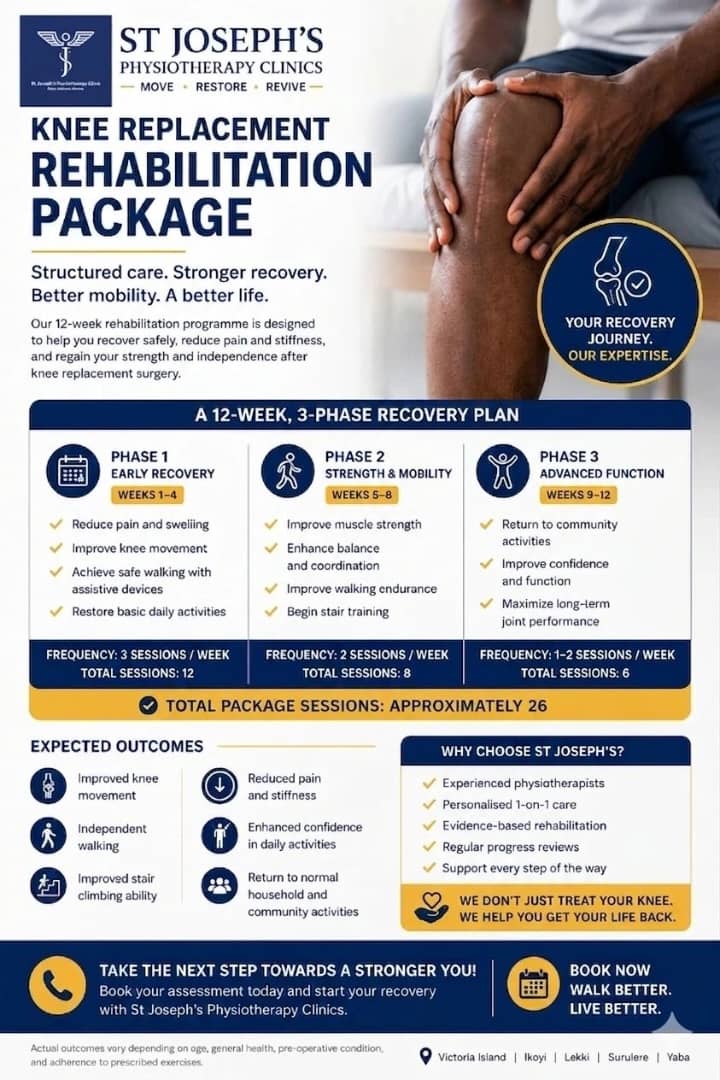
Complete Knee Replacement Rehabilitation Package in Lagos
Knee replacement surgery is a major step toward pain relief and improved mo…

NAMDA threatens strike over unpaid medical lecturers’ allowances
The Nigerian Association of Medical and Dental Academics (NAMDA) has warned…

Resident Doctors Signal End to Strike Threat After High-Level Talks with Gbajabiamila
The threat of a nationwide indefinite strike by the Nigerian Association of…