A preliminary investigation has uncovered alarming levels of toxic heavy metals in drinking water consumed by residents of Gashua and surrounding communities in Yobe State. The findings were disclosed by Professor Mahmoud Maina, Principal Investigator and Director of the Biomedical Research and Training Centre (BioRTC) at Yobe State University, during an interview with the News Agency of Nigeria.
According to the report, communities such as Gashua, Jakusko and other settlements along the River Yobe have recorded unusually high cases of Chronic Kidney Disease (CKD) for years, resulting in increased deaths and a growing number of patients.
Professor Bukar Maina, neuroscientist and Special Adviser to Governor Mai Mala Buni on Science, Research and Innovation, explained that heavy metals including cadmium, lead and arsenic are known contributors to CKD and should not be present in the environment under normal conditions. He warned that exposure to these metals can also lead to cancer, dementia and other serious illnesses.
The report further revealed that existing health conditions such as diabetes and hypertension worsen CKD outcomes in the affected communities. Fishermen were identified as being particularly vulnerable due to their prolonged exposure to contaminated water sources.
To investigate the crisis, BioRTC collaborated with a multidisciplinary team of about 50 experts from the United States, United Kingdom, Ghana and other countries. More than 3,000 human and environmental samples were collected, including urine, blood, food items, farmland soil, river water and borehole water, all of which are undergoing laboratory analysis.
The research team includes nephrologists, geologists, chemists, medical doctors, geneticists and environmental scientists, with funding support from the Yobe State Government. Professor Maina highlighted the centre’s advanced research capacity, noting that small tissue or blood samples can be converted into stem cells and later transformed into brain cells for further scientific study.
He commended Governor Mai Mala Buni’s administration for investing in the centre, sponsoring overseas training for staff and completing a permanent BioRTC complex scheduled for commissioning in January. Since its establishment in 2021, the centre has trained more than 1,000 researchers in science, research and innovation.
You may also like
Comrade Lemii Christian Emerges Chairman of NANNM Rivers State Branch in Historic Victory
PORT HARCOURT, NIGERIA Following the long awaited National Association of N…

FG Supports Robotic Surgery Expansion to Reduce Medical Tourism
Nigeria is taking another step toward strengthening specialised healthcare …
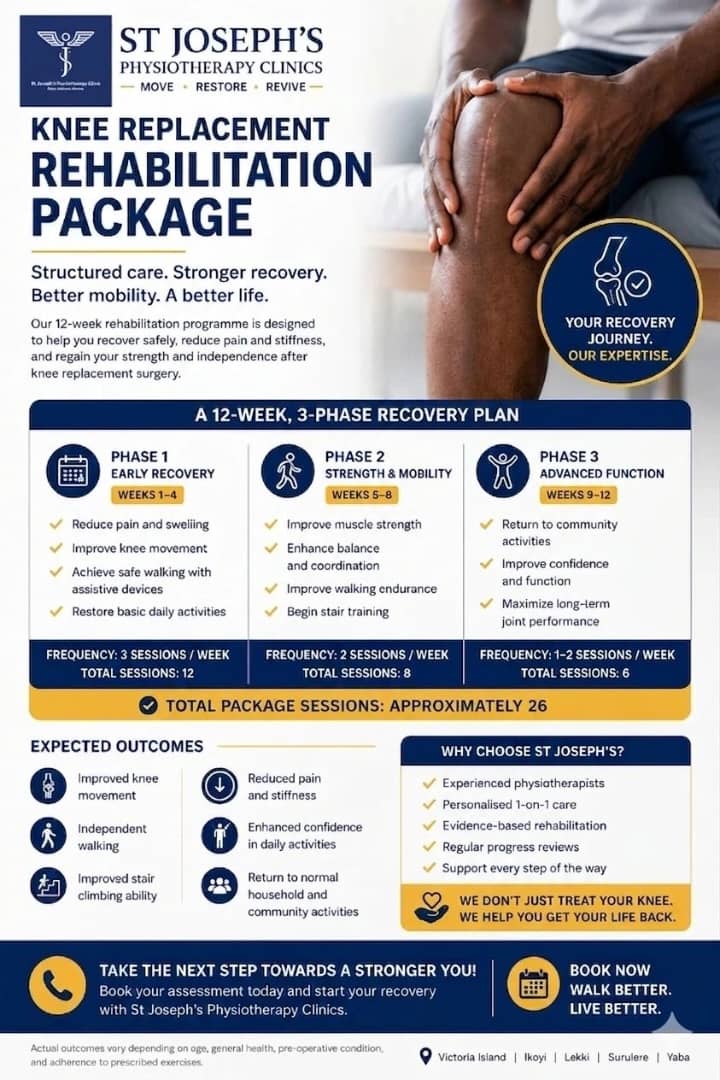
Complete Knee Replacement Rehabilitation Package in Lagos
Knee replacement surgery is a major step toward pain relief and improved mo…

NAMDA threatens strike over unpaid medical lecturers’ allowances
The Nigerian Association of Medical and Dental Academics (NAMDA) has warned…

Resident Doctors Signal End to Strike Threat After High-Level Talks with Gbajabiamila
The threat of a nationwide indefinite strike by the Nigerian Association of…