Nigeria marked World Health Day this year under the cloud of a nationwide strike by resident doctors, a development that once again exposes the country’s long standing struggles with chronic underfunding, stalled reforms and persistent labour disputes in the health sector.
The Nigerian Association of Resident Doctors (NARD) began an indefinite strike at midnight on April 7, aligning with the global observance themed Together for Health. Stand with Science. The action, driven by grievances over unpaid arrears and the suspension of a revised professional allowance structure, threatens to cripple services across public hospitals.
NARD’s Secretary General, Shuaibu Ibrahim, described the government’s decision to halt the new allowance table as unfortunate, warning that the move could plunge the sector into yet another prolonged crisis. The disputed allowances include call duty, rural posting incentives and training support, many of which doctors say have remained unpaid for months.
This underscores a stark irony on a day dedicated to strengthening health systems through science and collaboration, Nigeria is grappling with a crisis rooted in unresolved welfare issues and systemic underinvestment.
Funding Crisis at the Heart of the Breakdown
Beyond the immediate labour dispute lies a deeper structural challenge Nigeria’s persistent failure to adequately fund its health system.
Despite signing the Abuja Declaration in 2001, which committed African countries to allocate at least 15 per cent of their national budgets to health, Nigeria has never met the target. Instead, allocations have hovered below six per cent for years.
Recent budget trends highlight the gap
Year Total Health Allocation Share of National Budget
2023 significance of N1.17 trillion 5 to 6 per cent
2024 significance of N1.33 trillion less than 6 per cent
2025 significance of N2.48 trillion significance of 5.5 per cent
2026 (proposed) significance of N2.48 trillion significance of 4.2 per cent
Experts say these figures fall far short when adjusted for inflation, population growth, and Nigeria’s expanding disease burden.
But the bigger problem may be the gap between budgeted funds and actual releases.
A Budget official noted that what is appropriated is not always what is released, leaving health projects chronically underfunded. In 2025, for instance, only N36 million of the N218 billion allocated for capital projects was released. In 2023, just 17 per cent of capital funds were utilised, according to the Development Research and Projects Centre (dRPC).
Policies Announced, Policies Unfulfilled
Government initiatives such as the Basic Health Care Provision Fund (BHCPF), free caesarean services and subsidised dialysis programmes are designed to improve access. But implementation remains inconsistent.
A resident doctor at Kubwa General Hospital, Paul Ajasa, stressed that financing determines outcomesYou cannot separate health outcomes from health financing. Consistent funding, not announcements, is what ensures policies reach people.
A former hospital administrator in Abuja added that patients often still pay out of pocket for consumables, drugs and tests despite free programmes.
The Nigerian Medical Association (NMA) echoes this concern, arguing that funding must translate into functional facilities, timely releases and adequate support for health workers.
Patients Bear the Brunt
The consequences of underfunding are most visible at the point of care.
Nigeria’s out of pocket health expenditure remains above 70 per cent, among the highest globally. Many households face difficult choices delay treatment, seek informal care or forgo care entirely.
Across public hospitals
- Patients often buy basic supplies before treatment
- Essential drugs are frequently unavailable
- Equipment is outdated or non functional
- Rural primary health centres remain under equipped or abandoned
While the BHCPF has improved access in some states, coverage remains uneven.
A Workforce Under Strain
Nigeria’s human resource crisis continues to deepen. With an estimated doctor to patient ratio of 1 to 9,000, far below . Migration of health workers seeking better pay and working conditions abroad has worsened shortages.
Those who remain face overwhelming workloads and stagnant welfare conditions, factors that fuel recurring strikes like the current one.
The country’s heavy reliance on donor funding for HIV, tuberculosis and malaria programmes also leaves it vulnerable to external shocks, raising concerns about sustainability.
A World Health Day Reminder
This year’s World Health Day theme, Together for Health. Stand with Science, calls for systems that are adequately funded, data driven and accountable. Stakeholders say Nigeria’s recurring crises show how far the country remains from that ideal.
As resident doctors withdraw their services once again, the strike serves as a stark reminder, without sustained investment, consistent policy implementation and genuine commitment to health worker welfare, Nigeria’s health system will continue to struggle, year after year.
You may also like
Comrade Lemii Christian Emerges Chairman of NANNM Rivers State Branch in Historic Victory
PORT HARCOURT, NIGERIA Following the long awaited National Association of N…

FG Supports Robotic Surgery Expansion to Reduce Medical Tourism
Nigeria is taking another step toward strengthening specialised healthcare …
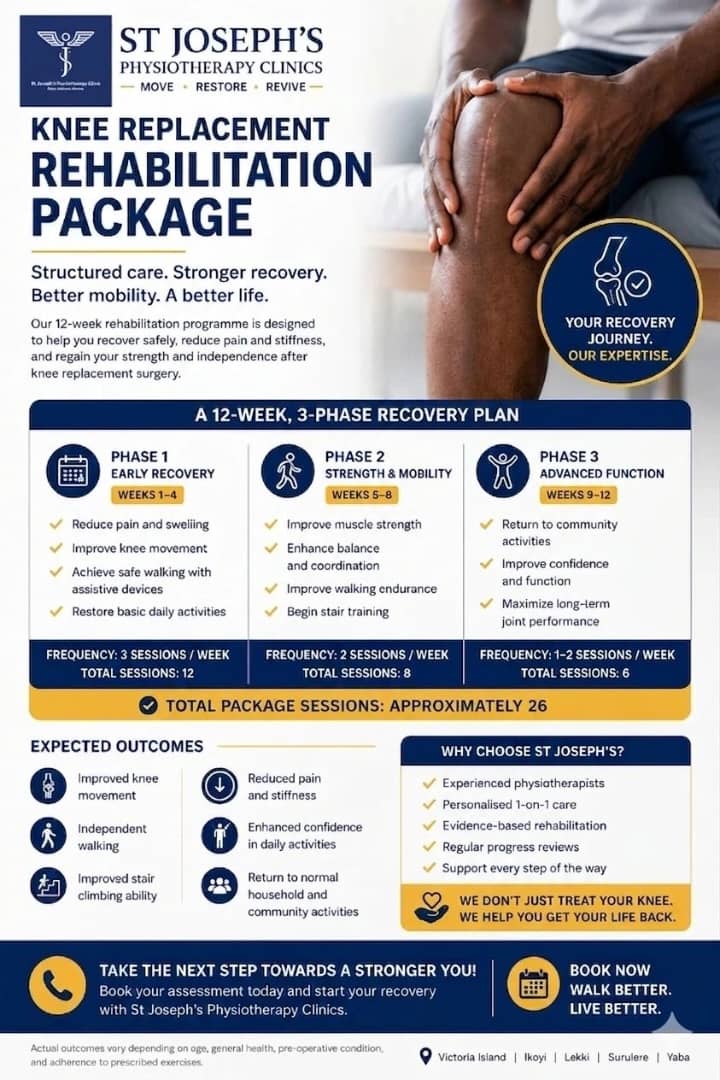
Complete Knee Replacement Rehabilitation Package in Lagos
Knee replacement surgery is a major step toward pain relief and improved mo…

NAMDA threatens strike over unpaid medical lecturers’ allowances
The Nigerian Association of Medical and Dental Academics (NAMDA) has warned…

Resident Doctors Signal End to Strike Threat After High-Level Talks with Gbajabiamila
The threat of a nationwide indefinite strike by the Nigerian Association of…
