As part of efforts to promote scientific research in Africa and also narrow the scientific development gap between Africa and the rest of the world, African and international partners have launched the Alliance for Accelerating Excellence in Science in Africa, AESA, a new initiative that aims to help drive Africa’s research agenda and build scientific capacity across the continent.
AESA was created by the African Academy of Sciences, AAS, and the New Partnership for Africa’s Development, NEPAD, Agency with US$5.5 million in initial seed funding from the Bill & Melinda Gates Foundation, the Wellcome Trust and the UK Department for International Development, DFID.
At the AESA launch, announcement was also made of two grant programmes intended to support Africa’s future research leaders: the Developing Excellence in Leadership, Training and Science, DELTAS, Africa Awards and Grand Challenges Africa.
Endorsed by African Heads of State and Government, the Nairobi-based AESA aims to support the implementation of the African Union’s Science, Technology and Innovation Strategy, STISA-2024, and the African Health Strategy, AHS, for 2015-2030.
In April 2015, African Ministers of Health tasked the NEPAD Agency within the context of AHS to develop the continent’s health research agenda at the AU Specialised Technical Committee on Health, Population and Drug Control.

Currently, Africa accounts for 15 percent of the global population and 25 percent of the global disease burden, but only produces about 2 percent of the world’s research output.
Although more than 60 percent of African countries have increased their recent investments in science, over half of African countries still invest less than 0.5 percent of their GDP on research – far less than the global target of 1 percent . Increased domestic investment in research is needed to accelerate the long-term health and development progress required to meet the Sustainable Development Goals by 2030.
In a statement, Chief Executive Officer of the NEPAD Agency, Dr. Ibrahim Mayaki, said the launch of AESA is a significant milestone in driving investment in health research and lifting science across the continent.
In addition to serving as a scientific think tank, AESA will manage more than US$70 million in Africa-focused research programmes as part of its broader effort to build pan-African scientific capacity and leadership.
The initiatives are expected to help harness Africa’s scientific potential to contribute to the wellbeing of Africans.
To this end, AESA will play a key role in the implementation of two grant programmes- DELTAS Africa and Grand Challenges Africa, while helping to provide researchers with the funding, training and resources they need to succeed and drive forward Africa’s development.
The US$70 million DELTAS Africa programme – initiated by the Wellcome Trust in partnership with AESA, and including US$10 million in additional funding from DFID announced today – supports the African-led development of world-class researchers and research leaders across the continent. Over an initial period of five years (2015-2020), the programme will support collaborative teams to conduct health research, offer training and mentorship and improve health research infrastructure. Following a joint review, operations and leadership of DELTAS Africa will be transferred to AESA early next year.
The first seven DELTAS Africa awards, new grants have been announced, focusing on locally relevant research including infection and immunity, mental health and biostatistics. The programmes will be led from universities and research institutes in Ghana, Kenya, Mali, South Africa, Uganda and Zimbabwe, and involve collaboration across the continent and with international research centres.
By: The Punch
ABUJA: Training Schedule for Basic Life Support BLS, Pediatric Advanced Life Support (PALS), Advanced Cardiovascular Life Support ACLS, First Aid, CPR, AED
PORTHARCOURT: Training Schedule for Basic Life Support BLS, Pediatric Advanced Life Support (PALS), Advanced Cardiovascular Life Support ACLS, First Aid, CPR, AED
LAGOS: Training Schedule for Basic Life Support BLS, Pediatric Advanced Life Support (PALS), Advanced Cardiovascular Life Support ACLS, First Aid, CPR, AED
STOP paying for airtime and electricity, Let your phone pay its bills with ScreenT
You may also like
Comrade Lemii Christian Emerges Chairman of NANNM Rivers State Branch in Historic Victory
PORT HARCOURT, NIGERIA Following the long awaited National Association of N…

FG Supports Robotic Surgery Expansion to Reduce Medical Tourism
Nigeria is taking another step toward strengthening specialised healthcare …
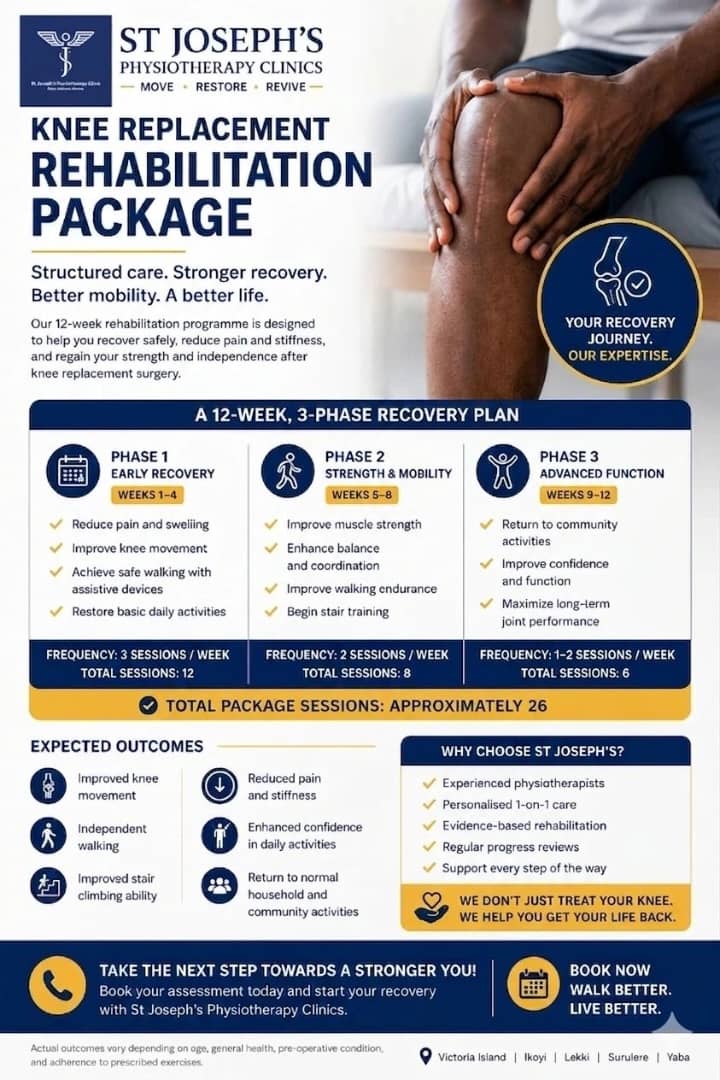
Complete Knee Replacement Rehabilitation Package in Lagos
Knee replacement surgery is a major step toward pain relief and improved mo…

NAMDA threatens strike over unpaid medical lecturers’ allowances
The Nigerian Association of Medical and Dental Academics (NAMDA) has warned…

Resident Doctors Signal End to Strike Threat After High-Level Talks with Gbajabiamila
The threat of a nationwide indefinite strike by the Nigerian Association of…