… even doctors stigmatise them, says Psychiatrist
Apart from some cities where their movements are restricted, it is hard to see any Nigerian community where a mentally-sick person does not live on the street. Persons with severe mental illness in Nigeria belong to a class of the homeless, rejected and helpless who exist in a world of people who claim to be compassionate and religious. And, unlike beggars who solicit alms to enable them feed, daily, most mentally-ill persons live on the street, having been abandoned by friends and relatives; and often compete with domestic pets on dumping grounds while seeking daily meal.
They sleep and wake on bare ground, inside rain, cold or heat. They look dirty and dreary; very few people consider their welfare. Their situation is so pathetic that famous sufferers of mental illness are seen carrying pregnancies and are delivered of babies; all on the street. No one claims ownership or takes paternity of such children.
In some instances too, government policies have been directed at getting them off the streets mainly to stop the ‘embarrassment’ they cause ‘members of the public’ and government officials who make use of the roads where they live day and night. Such arrests could be commendable if they are targeted at offering them medical aid to help restore their health condition and enable them live normal lives. It is unfortunate they are hardly so; that there had been instances where such people were dumped in remote communities by government officials or their own kinsmen ‘to put an end to shame they cause members of their families and the public once and for all’.
But, why is so much a stigma attached to mental illness? Dr. Vincent Udenze; a Nigerian UK-based Consultant Psychiatrist and CEO of Synapse Specialist Hospital, Abuja provided the answer. “The stigma itself is a very big topic. So many newspapers have reported about it while many researches carried out on it. It seems it is something that doesn’t want to go away. But, it is getting better by the day. From time immemorial, people have always looked differently upon those with mental illnesses, especially because at the extreme of it, the behaviour he displays.
“Somebody becomes ill and ends up on the street becoming naked. Then, it is very likely that you will shy away from him. You will not want to be associated with that type of an illness; even with such sect. It was in the Bible that there was a mad person and Jesus had to cast that demon away from the person into the swine. People started thinking it is spiritual. People keep drawing inferences and even our own colleagues, they stigmatize my patients. You find out that a mentally-ill person ends up in a surgical ward and doctors will stigmatize and treat them differently from the other patients on the surgical ward.”
He stressed: “Mentally-sick people are on the street by virtue of vulnerability and by virtue of lack of social welfare have found themselves on the street. So, already, they are quite vulnerable. You stigmatize them. Some communities end up raping some of these people, especially the women, because some people believe when you sleep with a mentally-sick woman, they will get whole lot of money. Society neglect them and society further abuses them. What else do you want to do to them?”
As they would to any other person, very few Nigerians take time to approach a ‘mad’ person on the street to ascertain the severity of his or her ailment. They are literally assumed as societal outcasts whose fate to live meaningful lives depends on some supernatural interventions. It is often believed among us that once some persons appear ragged, with tangled hair, strapping or carrying some dirty items on their heads or backs and apparently behaving silly, ‘only spiritual help can enable them live meaningful life again.

Udenze says mental illnesses are medical conditions that disrupt a person’s thinking, feeling, mood, ability to relate to others and daily functioning. They are medical conditions that often result in a diminished capacity for coping with the ordinary demands of life.
According to him, Serious mental illnesses include major depression, schizophrenia, bipolar disorder, obsessive compulsive disorder (OCD), panic disorder, post-traumatic stress disorder (PTSD) and borderline personality disorder.
Experts say mental illnesses can affect persons of any age, race, religion, or income. Mental illnesses are not the result of personal weakness, lack of character or poor upbringing and they are treatable.
Meanwhile, those people we see on the street represent an insignificant percentage of persons suffering from mental disorder said Dr. Vincent Udenze; According to him, health statistics say about 12 percent of Nigerian population, which represent 30 million of the nation’s 150million population suffer from one mental disease or the other.
Mental illness can be treated like other diseases. Udenze said: “There are different types of illnesses. There are some that you can treat that will go away and never come back again. There are some that you only manage in which case, after the diagnosis, you just give them medication and they continue to live fine and function very well in the community. Even your physical illnesses, there are some physical illnesses like malaria, you get anti-malaria and your feel fine. Even though you might get a mosquito bite and it comes back again. There are some others like high blood pressure that you need to take medication consistently to just keep your blood pressure stable. Most of mental illnesses are manageable; take your medication, stay compliant and most time you are fine, functioning like any other person.
It is believed in most cultures in Africa that once mentally ill patients take off their cloth in a market place, they can never be healed. Hence, the common that most of the people suffering from mental sickness on the streets have at one time or the other walked into a market, perhaps naked.
“That is not true”, Udenze retorted. He continued “The person that takes off their cloth is just a marker of severity. The same way you have a headache, which can be mild, moderate or severe; you can have a headache that would not allow you to go to work. It may be so severe until you take a medication. Even though some people may have gone very extreme, if you are able to guide them and give them medication, it will settle and they will be fine.”
The Obafemi Awolowo University trained psychiatrist put the causes of mental disorder thus: “We always tend to look at the causes of mental disorder from the angle of bio-psychosocial. If it is a biological factor, we are talking about biological factors such as genes. There are some genes that will give you vulnerability which means that if you have those genes, you might be more likely than the ordinary person to get that sickness. Being more likely, being more vulnerable does not mean that you will definitely get it. Other factors could be like social factors like when somebody has an accident, lose their car, or their children lose their house or their job, there is possibility the person become depressed and such depression result into mental illness. When you have stressors like, it that can happen to someone who is not vulnerable, then you and I will not be surprised that they can come down with mental disorder.
It may therefore be pertinent that government and relevant stakeholders take a clue from the proposed project of Udenze which seeks collaboration with government to consider the welfare of persons suffering from mental disorder in the country.
By: MARCUS FATUNMOLE
National Mirror
ABUJA: Training Schedule for Basic Life Support BLS, Pediatric Advanced Life Support (PALS), Advanced Cardiovascular Life Support ACLS, First Aid, CPR, AED
PORTHARCOURT: Training Schedule for Basic Life Support BLS, Pediatric Advanced Life Support (PALS), Advanced Cardiovascular Life Support ACLS, First Aid, CPR, AED
LAGOS: Training Schedule for Basic Life Support BLS, Pediatric Advanced Life Support (PALS), Advanced Cardiovascular Life Support ACLS, First Aid, CPR, AED
STOP paying for airtime and electricity, Let your phone pay its bills with ScreenT
You may also like

Comrade Lemii Christian Emerges Chairman of NANNM Rivers State Branch in Historic Victory
PORT HARCOURT, NIGERIA Following the long awaited National Association of N…

FG Supports Robotic Surgery Expansion to Reduce Medical Tourism
Nigeria is taking another step toward strengthening specialised healthcare …
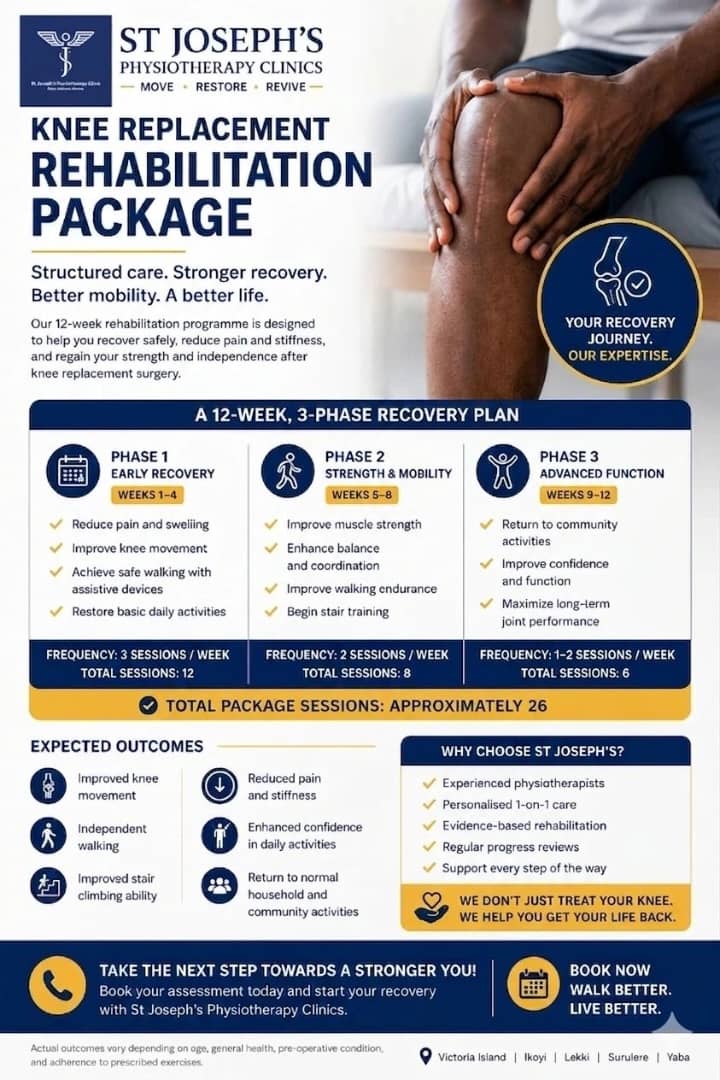
Complete Knee Replacement Rehabilitation Package in Lagos
Knee replacement surgery is a major step toward pain relief and improved mo…

NAMDA threatens strike over unpaid medical lecturers’ allowances
The Nigerian Association of Medical and Dental Academics (NAMDA) has warned…

Resident Doctors Signal End to Strike Threat After High-Level Talks with Gbajabiamila
The threat of a nationwide indefinite strike by the Nigerian Association of…