As part of efforts to tackle the high burden of diabetes in Nigeria, the Federal Ministry of Health is partnering with PreHab Diabetes Services of the United States of America to reduce dia betes by 25 per cent.
To achieve the target, the American group has concluded plans to train some Nigerians physicians in the United States (U.S.). The trained physicians are expected to step down the training to others when they return from the one to three months training.
Speaking at a Diabetes Symposium in Abuja as part of the partnership, Founder/Chief Executive Officer of PreHab Diabetes Services, Robert Tate, noted that diabetes could be reduced to the barest mini mum in Nigeria.
He announced that the American team had developed a Nigerian pre-diabetes initiative through which, Nigerian physihans would to be taken for training pro grammesabroad.
"After we do that, we want to develop clinics here by American standard to be able to treat patients here. In the clinics, we will supply all the diabete testing suppliers and medicines," Tate said.
 He explained that the training would take three months. He stressed: "Each group will be three physi cians to train them for three months and once they return, we take another group and continue with it.
 "We are collaborating the participants list with the Health Ministry and they will set a committee up to nominate the participants. The ultimate goal is to reduce diabetes by 25 per cent which will not be hard to do."
Also speaking, Professor of medicine, endocrinology and diabetes, College of Health Sciences, University of Port Harcourt, Prof Sunny Chinenye, lamented that only less than 20 per cent of diabetes patients ever see a diabetes specialist.
He attributed this to the low number of physicians for diabetes in the country.
He said: The weakest link in the treatment of diabetes in this country is at the Primary Health Care level which is domiciled in the local governments which is where over 60 per cent of Nigerians go to. So we have to build capacity at the primary health care level.
"What we are planning is that at the primary health care level, there is somebody called the Medical Officer of Health (MOH) in the all the 774 local governments areas of the country. The MOH are in charge of all the primary health centres. Once we are able to get them, they nominate health workers that will now come for this capacity building training. Once we are able to have just one complete training, it is going to have a cascade effect in diabetes care in the country."
On diabetes patients' ratio to experts, he stressed: "Out of the over tywo million Nigerians who are living with diabetes, we have more than 100 endocrinologists practicing in Nigeria. In fact, a lot of them have left the country, probably about 80 of them are practicing. It is ratio 80 to over two million people."
By: Emeka Anuforo, Abuja
Guardian News
ABUJA: Training Schedule for Basic Life Support BLS, Pediatric Advanced Life Support (PALS), Advanced Cardiovascular Life Support ACLS, First Aid, CPR, AED
PORTHARCOURT: Training Schedule for Basic Life Support BLS, Pediatric Advanced Life Support (PALS), Advanced Cardiovascular Life Support ACLS, First Aid, CPR, AED
LAGOS: Training Schedule for Basic Life Support BLS, Pediatric Advanced Life Support (PALS), Advanced Cardiovascular Life Support ACLS, First Aid, CPR, AED
STOP paying for airtime and electricity, Let your phone pay its bills with ScreenT
You may also like
Comrade Lemii Christian Emerges Chairman of NANNM Rivers State Branch in Historic Victory
PORT HARCOURT, NIGERIA Following the long awaited National Association of N…

FG Supports Robotic Surgery Expansion to Reduce Medical Tourism
Nigeria is taking another step toward strengthening specialised healthcare …
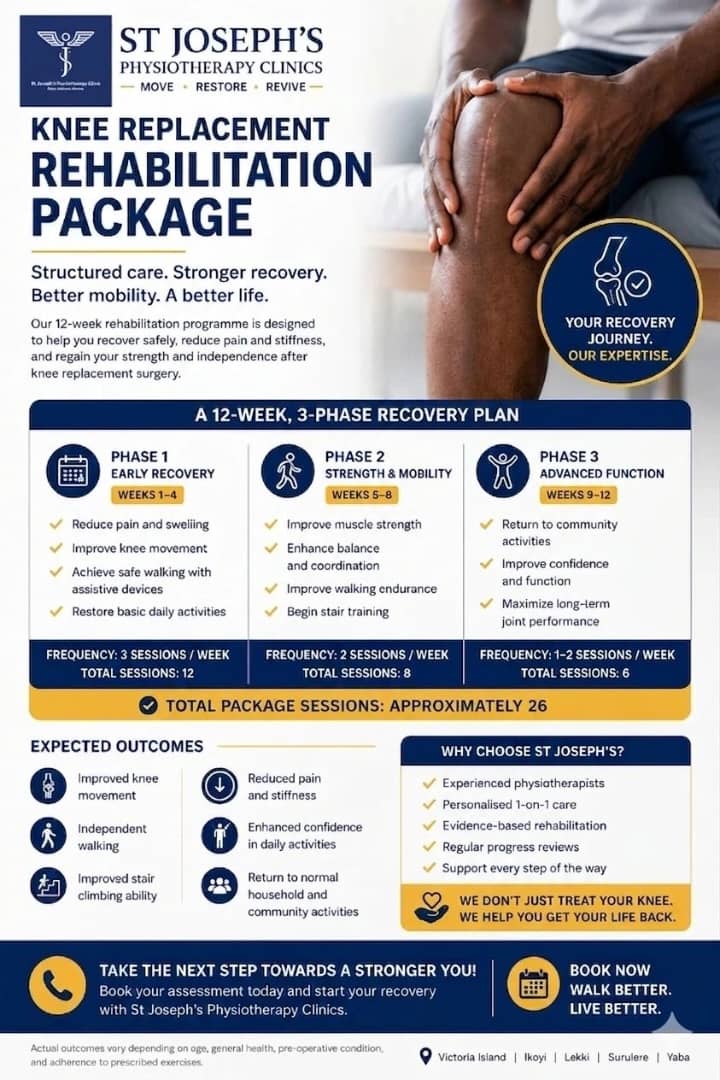
Complete Knee Replacement Rehabilitation Package in Lagos
Knee replacement surgery is a major step toward pain relief and improved mo…

NAMDA threatens strike over unpaid medical lecturers’ allowances
The Nigerian Association of Medical and Dental Academics (NAMDA) has warned…

Resident Doctors Signal End to Strike Threat After High-Level Talks with Gbajabiamila
The threat of a nationwide indefinite strike by the Nigerian Association of…
