• Drink and use safe water
• Cook food thoroughly
• Wash hands with soap and safe water after caring for the patients, and especially after handling faecal matter
• Remove and wash any bedding or clothing that may have had contact with diarrhoeal stool, preferably in a washing machine, in warm or hot water. Usual machine detergents are sufficient; bleach is not necessary.
• Use a flush toilet or approved septic system; double bag soiled materials when discarding in trash.

• Use any household disinfectant or a 1:10 dilution of bleach solution (one part bleach to nine parts water) to clean any area that may have contact with faecal matter, including the patient’s bathroom, bedpan, as soon as possible after being soiled.
• When possible, use rubber gloves when cleaning any room or surface that may have had contact with the patient’s faecal matter.
• Patients with cholera should not swim while ill with diarrhoea or for two weeks after resolution of symptoms.
• If a household member develops acute, watery diarrhoea, administer oral rehydration solution (ORS) and seek health care immediately
• While caring for persons who are ill with cholera, do not serve food or drink to persons who are not household members
• Visitors can be allowed if the ill person wants company; visitors should also observe hand hygiene recommendations
Source: cdc.gov
The Punch
ABUJA: Training Schedule for Basic Life Support BLS, Pediatric Advanced Life Support (PALS), Advanced Cardiovascular Life Support ACLS, First Aid, CPR, AED
PORTHARCOURT: Training Schedule for Basic Life Support BLS, Pediatric Advanced Life Support (PALS), Advanced Cardiovascular Life Support ACLS, First Aid, CPR, AED
LAGOS: Training Schedule for Basic Life Support BLS, Pediatric Advanced Life Support (PALS), Advanced Cardiovascular Life Support ACLS, First Aid, CPR, AED
STOP paying for airtime and electricity, Let your phone pay its bills with ScreenT
You may also like
Comrade Lemii Christian Emerges Chairman of NANNM Rivers State Branch in Historic Victory
PORT HARCOURT, NIGERIA Following the long awaited National Association of N…

FG Supports Robotic Surgery Expansion to Reduce Medical Tourism
Nigeria is taking another step toward strengthening specialised healthcare …
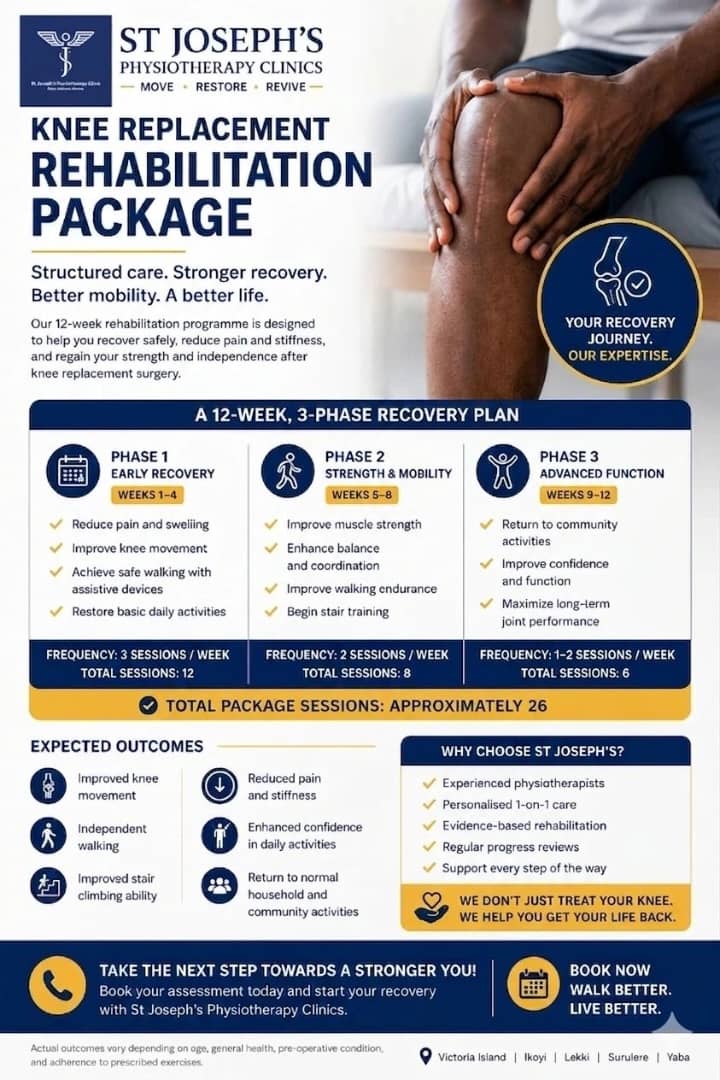
Complete Knee Replacement Rehabilitation Package in Lagos
Knee replacement surgery is a major step toward pain relief and improved mo…

NAMDA threatens strike over unpaid medical lecturers’ allowances
The Nigerian Association of Medical and Dental Academics (NAMDA) has warned…

Resident Doctors Signal End to Strike Threat After High-Level Talks with Gbajabiamila
The threat of a nationwide indefinite strike by the Nigerian Association of…
