Which is deadlier? Ebola virus disease? HIV/AIDS or Road Traffic Crashes? Since the World Health Organisation (WHO) remains the most reliable authority on these killers, I will therefore rely mostly on facts provided by them to guide you in your conclusions. Before I reel out the fact sheet from WHO on these three killers, let me first remind you that the three epidemic remains a black man’s burden as they are more pronounced in Africa or better still in low and middle income countries.
As I commence this series which hopefully would run for about two or three weeks, let me commend us all for the WHO clean bill for kicking Ebola out of our shores. But while we celebrate this great feat, let me express my self centred worry since the outbreak of the Ebola virus disease. This worry was first borne by the damage caused by Ebola. Secondly, rather than being excited over the immediate change in our health habits which was no doubt commendable, I was worried at the extent at which hand sanitizers had become a vogue at a time when our appeal to motorist to stay off their phones while driving and drive by the approved speed limits among other traffic infractions were falling into deaf ears. I was ironically worried also at the extent of mobilisation, including financial mobilisation by corporate organisations over the new killer which according to a serious joke by a close friend had only killed less than ten people compared to road traffic crashes which daily kills more. Now that we have collectively sent Ebola packing, I believe this is the right time to write this piece which has been in the cooler since the outbreak of the Ebola virus disease for the fear of being misrepresented.
According to The Global status report on road safety 2013 from 182 countries, accounting for almost 99% of the world’s population, including Nigeria, road traffic deaths remains 1.24 million per year. As at 2014,the figure stands at 1.3million. Only 28 countries, covering 7% of the world’s population, have comprehensive road safety laws on five key risk factors: drinking and driving, speeding, and failing to use motorcycle helmets, seat-belts, and child restraints. Nigeria through the activities of the Federal Road Safety Corps is among these countries.
The report further states that another 20 to 50million sustain non- fatal injuries. These injuries and deaths have an immeasurable impact on the families affected and their communities. Road traffic injuries are estimated to be the eighth leading cause of death globally, with an impact similar to that caused by diseases, such as malaria and remain the leading cause of death for young people aged 15–29years, and as a result take a heavy toll on those entering their most productive years.Yearly, 400,000 people under the ages of 25years die at an average of more than 1000 a day. These deaths are more in low and middle income countries among vulnerable road users such as pedestrians, cyclist, motorcyclist and those using public transport. Speeding remains the single most common traffic violations and explains why the Federal Road Safety Corps has fixed mid 2015 as deadline for enforcement of speed limiters in vehicles beginning with commercial vehicles. The use of phone while driving, dangerous driving, unlicensed and under aged driving are also prevalent violations, in addition to lane indiscipline among others.
Economically, the report notes that disadvantaged families are hardest hit by both direct medical costs and indirect costs such as lost wages that result from these injuries. At the national level, road traffic injuries weans the national purse particularly in developing economies and are estimated to cost low-and middle-income countries between 1–2% of their gross national product, estimated at over US $100 billion a year. Despite these facts, road safety has been neglected not just in terms of policy formulation but also in terms of resource allocation and individual responsibility despite the fact that road traffic injuries are largely preventable. Although road traffic injuries is projected to become the ï¬Âfth leading cause of death by 2030, if nothing concrete is done, corporate and individual engagement is still not in the magnitude with which we all become sanitizers distributors in the fight against Ebola.
The African region has the highest road fatality rates with 37 of the 44 countries surveyed having death rates well above the global average of 18.0 deaths per 100,000 population.While the region accounts for 2% of the worlds vehicles, it contributes 16% to the global deaths with young men as the most vulnerable. Most countries lack policies for protecting vulnerable road users. And most are yet to enact comprehensive laws concerning the major risk factors such as speed, drink driving, helmet use, seat belt use and child restraint. Post crash is either inadequate or lacking while law enforcement is weak or ineffective.
In Nigeria, deaths through road traffic crashes before the establishment of the Commission in 1988 stood at 25,792 crashes and 9,077 deaths. The figure for 2012 stood at 6,269crashes with 4,260 deaths with an average of 12 deaths daily. Road crashes figure for counties within the West Africa sub region just like other countries in Africa is equally worrisome despite the Regional strategy through the West African Road Safety Organisation. As at April 2014 when the WARSO executive/technical session held in Freetown, Sierra Leone worries were expressed over the slow pace of effective strategies in the sub region with the exception of Nigeria’s giant strides through the FRSC and select number of countries within the sub region .
ABUJA: Training Schedule for Basic Life Support BLS, Pediatric Advanced Life Support (PALS), Advanced Cardiovascular Life Support ACLS, First Aid, CPR, AED
PORTHARCOURT: Training Schedule for Basic Life Support BLS, Pediatric Advanced Life Support (PALS), Advanced Cardiovascular Life Support ACLS, First Aid, CPR, AED
LAGOS: Training Schedule for Basic Life Support BLS, Pediatric Advanced Life Support (PALS), Advanced Cardiovascular Life Support ACLS, First Aid, CPR, AED
STOP paying for airtime and electricity, Let your phone pay its bills with ScreenT
You may also like
Comrade Lemii Christian Emerges Chairman of NANNM Rivers State Branch in Historic Victory
PORT HARCOURT, NIGERIA Following the long awaited National Association of N…

FG Supports Robotic Surgery Expansion to Reduce Medical Tourism
Nigeria is taking another step toward strengthening specialised healthcare …
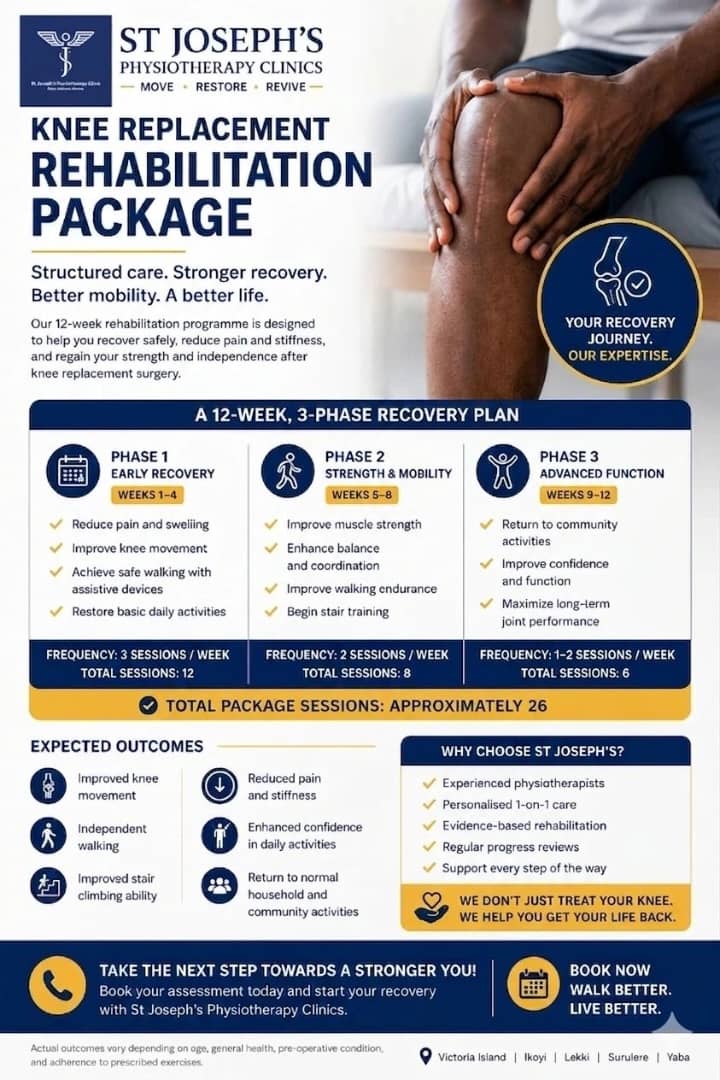
Complete Knee Replacement Rehabilitation Package in Lagos
Knee replacement surgery is a major step toward pain relief and improved mo…

NAMDA threatens strike over unpaid medical lecturers’ allowances
The Nigerian Association of Medical and Dental Academics (NAMDA) has warned…

Resident Doctors Signal End to Strike Threat After High-Level Talks with Gbajabiamila
The threat of a nationwide indefinite strike by the Nigerian Association of…