Bunions can be described as a bony bump present at the base of the big toe joint.
This progressive bone disorder can be painful. The growth of a bunion arises from changes to the structure of the bone within the foot itself. These changes lead to the bones in the toes and feet not lining up properly.
The classic bunion bump is caused by the big toe pushing against the neighboring toe, which causes the joint to stick out.
Bunions do not only affect adults. Adolescents can also experience these bumps, which are referred to as adolescent bunions. This type of bunion is usually an inherited condition.
At times, bunions can occur near the base of the little toe instead of the big toe. These bunions are known as bunionettes or "tailor's bunion."
Fast facts on bunions
* Here are some key points about bunions. More detail and supporting information is in the main article.
* Bunions are also referred to as hallux valgus or hallux abducto valgus.
* The bony lump develops when a toe pushes against a neighboring toe. This alignment causes the joint to protrude.
* Bunions are more common in women than in men.
* Adolescent bunions develop most often in girls ages 10-15.
* People can often relieve bunion pain by wearing more comfortable shoes and relieving pressure on the toe.
Causes of bunions and risk factorsA bunion is examined by a doctor.
Causes and risk factors for developing bunions include:
* Uneven weight-bearing in the foot or tendon that makes the toe joint unstable
* Inherited foot type
* Feet that do not develop properly before birth
* Foot injuries
* Forms of arthritis such as rheumatoid arthritis
* Conditions that affect both the nerves and muscles such as polio
There may also be a link between the use of high-heeled or narrow shoes and the growth of bunions.
Symptoms of bunions
The classic symptom of a bunion is a bump that forms at the base of the big toe. These can also form at the base of the little toe - this is referred to as a "tailor's bunion" or bunionette.
Other symptoms of bunions may include:
* Pain and soreness
* Numbness
* A burning sensation
* Swelling at the joint of the affected toe
* Skin thickness at the base of the affected toe
* Redness
* Bump on the base of the affected toe
* The presence of corns or calluses
* Movement restriction within the affected toe
Symptoms may be worsened or aggravated when wearing narrow shoes or high heels. People who are on their feet for extended periods of time may also make their symptoms worse.
Bunions begin as small lumps. They get worse over time, however, causing pain and making walking difficult.
 Bunion complications
 The presence of bunions can lead to other conditions developing.
* Swelling of the fluid-filled pads responsible for cushioning the bones, tendons, and muscles (bursitis)
* Hammertoe - abnormal bone bending which can lead to pain and pressure
* Swelling and pain in the ball of the foot (metatarsalgia)
* Calluses
* Pain
* Difficulty walking
* Decreased toe mobility
* Arthritis
Diagnosis and treatment of bunions
A healthcare provider can use physical examination and X-rays to diagnose the presence of bunions. An X-ray will show the doctor how severe the bunion is and help them decide what the best treatment will be.
The treatment of bunions depends on their severity. Bunions can often be treated with or without surgery.
Treatments for bunions that do not require surgery include:
* Appropriately fitting footwear - these can relieve pressure on the toe.
* Shoe inserts, also known as orthotics - shoe inserts relieve pressure on the toe
* Padding, taping, or splinting of the toe
* Avoiding activities that lead to bunion pain such as standing for a long period of time
* Ice - applying ice to the affected area can help reduce swelling
* Pain-relieving medications such as ibuprofen to reduce pain and swelling
* Cortisone injections - these can also relieve swelling, particularly in the fluid-filled pads that cushion the bones
Some bunions may need to be treated with surgery. When bunions require surgery, doctors can use several different types of surgery.
Surgery is limited to treating people whose pain cannot be relieved with the use of properly fitted footwear or shoe inserts. Surgery is rarely used to treat adolescent bunions.
Repair of the tendons and ligaments
This surgery involves shortening any weak joint tissues and lengthening the toe. Repair of the tendons and ligaments is often done in combination with an osteotomy.
Osteotomy
A corrective procedure to realign the joint. Doctors use pins, screws, or plates to fix the bone.
Arthrodesis
A procedure to remove the joint surface that has become swollen. Screws, wires, or plates are then inserted to hold the joint together while it heals. This procedure is typically used for patients with severe bunions, arthritis, or patients who have had unsuccessful bunion surgery.
Exostectomy
Surgical removal of the bump on the toe joint. This surgery is often performed in combination with an osteotomy. Exostectomy does not usually treat the problem that caused the bunion.
Resection arthroplasty
A procedure to remove the damaged portion of the toe joint, providing more space between the toe bones. This procedure is reserved for:
* Older patients
* Patients who have had unsuccessful bunion surgery
* Patients with severe arthritis who cannot undergo an arthrodesis operation
This surgical procedure is not commonly recommended.
How can I prevent bunions from developing?
Wearing properly fitting shoes with a wide toe box can help prevent bunions from developing. Pointy-toed and high-heeled should be avoided.
People should also avoid wearing shoes the cause cramping, squeezing, pressing, or irritation of the toes and feet.
Anyone wishing to find out about their personal bunion treatment options should speak with their healthcare provider.
By: Lori Smith BSN MSN CRNP
MNT News
ABUJA: Training Schedule for Basic Life Support BLS, Pediatric Advanced Life Support (PALS), Advanced Cardiovascular Life Support ACLS, First Aid, CPR, AED
PORTHARCOURT: Training Schedule for Basic Life Support BLS, Pediatric Advanced Life Support (PALS), Advanced Cardiovascular Life Support ACLS, First Aid, CPR, AED
LAGOS: Training Schedule for Basic Life Support BLS, Pediatric Advanced Life Support (PALS), Advanced Cardiovascular Life Support ACLS, First Aid, CPR, AED
STOP paying for airtime and electricity, Let your phone pay its bills with ScreenT
You may also like
Comrade Lemii Christian Emerges Chairman of NANNM Rivers State Branch in Historic Victory
PORT HARCOURT, NIGERIA Following the long awaited National Association of N…

FG Supports Robotic Surgery Expansion to Reduce Medical Tourism
Nigeria is taking another step toward strengthening specialised healthcare …
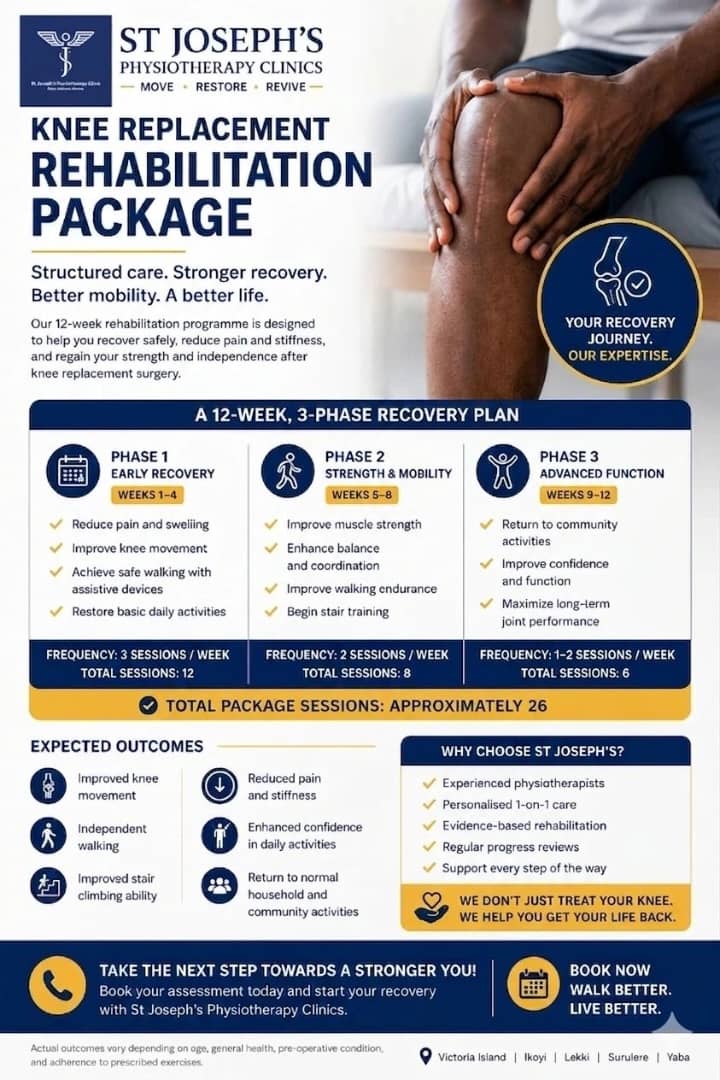
Complete Knee Replacement Rehabilitation Package in Lagos
Knee replacement surgery is a major step toward pain relief and improved mo…

NAMDA threatens strike over unpaid medical lecturers’ allowances
The Nigerian Association of Medical and Dental Academics (NAMDA) has warned…

Resident Doctors Signal End to Strike Threat After High-Level Talks with Gbajabiamila
The threat of a nationwide indefinite strike by the Nigerian Association of…