Dietary cocoa flavanols – naturally occurring bioactives found in cocoa – reversed age-related memory decline in healthy older adults, according to a study led by Columbia University Medical Center scientists.
The study, published Tuesday in the advance online issue of Nature Neuroscience, provides the first direct evidence that one component of age-related memory decline in humans is caused by changes in a specific region of the brain and that this form of memory decline can be improved by a dietary intervention.
As people age, they typically show some decline in cognitive abilities, including learning and remembering such things as the names of new acquaintances or where one parked the car or placed one’s keys. This normal age-related memory decline starts in early adulthood but usually does not have any noticeable impact on quality of life until people reach their fifties or sixties. Age-related memory decline is different from the often-devastating memory impairment that occurs with Alzheimer’s, in which a disease process damages and destroys neurons in various parts of the brain, including the memory circuits.
Previous work, including by the laboratory of senior author Scott A. Small, MD, had shown that changes in a specific part of the brain — the dentate gyrus — are associated with age-related memory decline. Until now, however, the evidence in humans showed only a correlational link, not a causal one. To see if the dentate gyrus is the source of age-related memory decline in humans, Dr. Small and his colleagues tested whether compounds called cocoa flavanols can improve the function of this brain region and improve memory. Flavanols extracted from cocoa beans had previously been found to improve neuronal connections in the dentate gyrus of mice.
Dr. Small is the Boris and Rose Katz Professor of Neurology (in the Taub Institute for Research on Alzheimer’s Disease and the Aging Brain, the Sergievsky Center, and the Departments of Radiology and Psychiatry) and director of the Alzheimer’s Disease Research Center in the Taub Institute at CUMC.
A cocoa flavanol-containing test drink prepared specifically for research purposes was produced by the food company Mars, Incorporated, which also partly supported the research, using a proprietary process to extract flavanols from cocoa beans. Most methods of processing cocoa remove many of the flavanols found in the raw plant.
In the CUMC study, 37 healthy volunteers, ages 50 to 69, were randomized to receive either a high-flavanol diet (900 mg of flavanols a day) or a low-flavanol diet (10 mg of flavanols a day) for three months. Brain imaging and memory tests were administered to each participant before and after the study. The brain imaging measured blood volume in the dentate gyrus, a measure of metabolism, and the memory test involved a 20-minute pattern-recognition exercise designed to evaluate a type of memory controlled by the dentate gyrus.
“When we imaged our research subjects’ brains, we found noticeable improvements in the function of the dentate gyrus in those who consumed the high-cocoa-flavanol drink,” said lead author Adam M. Brickman, PhD, associate professor of neuropsychology at the Taub Institute.
PUNCH
ABUJA: Training Schedule for Basic Life Support BLS, Pediatric Advanced Life Support (PALS), Advanced Cardiovascular Life Support ACLS, First Aid, CPR, AED
PORTHARCOURT: Training Schedule for Basic Life Support BLS, Pediatric Advanced Life Support (PALS), Advanced Cardiovascular Life Support ACLS, First Aid, CPR, AED
LAGOS: Training Schedule for Basic Life Support BLS, Pediatric Advanced Life Support (PALS), Advanced Cardiovascular Life Support ACLS, First Aid, CPR, AED
STOP paying for airtime and electricity, Let your phone pay its bills with ScreenT
You may also like

Comrade Lemii Christian Emerges Chairman of NANNM Rivers State Branch in Historic Victory
PORT HARCOURT, NIGERIA Following the long awaited National Association of N…

FG Supports Robotic Surgery Expansion to Reduce Medical Tourism
Nigeria is taking another step toward strengthening specialised healthcare …
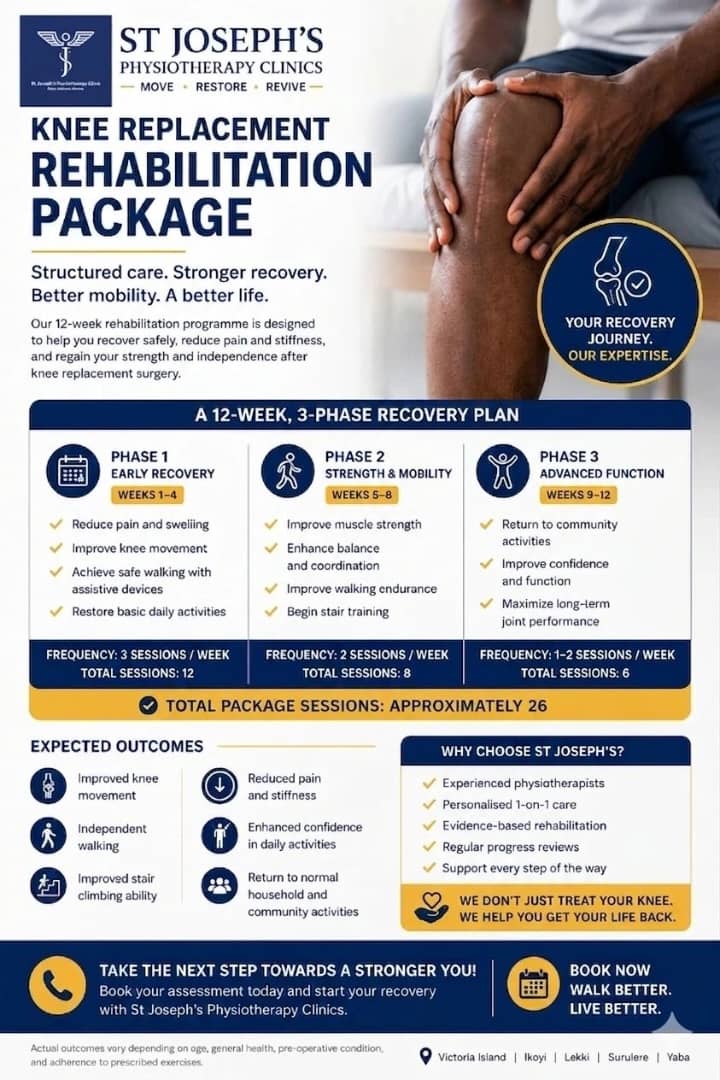
Complete Knee Replacement Rehabilitation Package in Lagos
Knee replacement surgery is a major step toward pain relief and improved mo…

NAMDA threatens strike over unpaid medical lecturers’ allowances
The Nigerian Association of Medical and Dental Academics (NAMDA) has warned…

Resident Doctors Signal End to Strike Threat After High-Level Talks with Gbajabiamila
The threat of a nationwide indefinite strike by the Nigerian Association of…