* Newly discovered component could lead to more effective drugs
The World Health Organisation (WHO) in this special publication addresses some of the ques-tions raised by mothers especially those living with Human Immuno-deficiency Virus (HIV)/Acquired Immune Deficiency Syndrome (AIDS) on the virus and infant feeding.
Also, scientists from the Medical Research Council Laboratory of Molecular Biology in Cambridge and University College London -both in the United Kingdom have uncovered key com-ponents of HIV, which they believe could lead to new approaches for drugs to fight the infection.
1. Can mothers living with HIV breastfeed their chil-dren in the same way as mothers without HIV?
WHO recommends that all mothers living with HIV should receive life-long anti-retroviral therapy (ART) to support their health and to ensure the wellbeing of their infants.
WHO released guidelines in july 2016 advising that, in countries that have opted to promote and support breastfeeding together with ART, mothers living with HIV who are on ART and adherent to therapy should breastfeed exclusively for the first 6 months, and then add complementary feeding until 12 months of age. Breastfeeding with complementary feeding may continue until 24 months of age or beyond.
Previously, WHO advice was to breastfeed for 12 months but then stop breastfeeding if a nutrition-ally adequate and safe diet could be provided.
 The new guidance is based on scientific evidence that shows ART is very effective at preventing HIV transmission through breastfeeding as long as the mother is adherent to therapy. The new evidence means that mothers living with HIV and their children can benefit from the many advantages of breastfeeding - such as improved growth and development - in the same way as mothers who do not have HIV and their children. WHO recommendations emphasise the need for health systems to therefore achieve quality HIV services that reliably provide ART and continue to care for mothers living with HIV.
 2. Is mixed feeding better than no breastfeeding at all, if the mother is on HIV treatment?
Yes. Mothers living with HIV can be reassured that ART reduces the risk of postnatal HIV transmission even when the baby is on mixed feeding.Although exclusive breastfeeding is recommended for the first 6 months, mixed feeding is better than no breastfeed-ing. Encouraging mothers living with HIV to breast-feed exclusively is still strongly advised because it benefits the infant in many ways including, reduced ill-ness, and improved growth and development.
3. If a mother on HIV treatment plans to return to work or school, is a shorter duration of breastfeeding better than no breastfeed-ing at all? Yes. Mothers and healthcare workers can be reas-sured that shorter durations of breastfeeding of less than 12 months are better than never initiating breastfeeding.
4. What can be done to support breastfeeding among mothers living with HIV?
Governments and local authorities should actively promote and implement services to create a supportive environment for mothers living with HIV to remain adherent to treatment and to breastfeed their infants in all settings: at work, at community centres, in health clinics, and in their homes.
Meanwhile, HIV weakens a person's immune system by destroying important cells that fight disease and infection. Only certain body fluids - blood, semen, rectal fluids, vaginal fluids, and breast milk - from a person who has HIV can transmit HIV.
Although there is no cure for HIV infection, improved treatments allow people living with HIV to slow the virus' progression and stay relatively healthy for several years.
HIV is a part of a subtype of viruses called retrovirus-es, which means that the virus is composed of Ribo Nucleic Acid (RNA) - instead of normal Deoxy ribonucleic Acid (DNA) - and has the unique property of transcribing RNA into DNA after entering a cell.
This retroviral DNA can then integrate into the DNA of the host cell and remain undetected by the immune,. system. The infected cell can produce virus cells with different RNA genomes, which restarts the infection cycle. This unusual method of infection and replication has made it difficult to develop a vaccine for HIV. Iris-like pores discovered in HIV.
By: Chukwuma Muanya
The Guardian News
ABUJA: Training Schedule for Basic Life Support BLS, Pediatric Advanced Life Support (PALS), Advanced Cardiovascular Life Support ACLS, First Aid, CPR, AED
PORTHARCOURT: Training Schedule for Basic Life Support BLS, Pediatric Advanced Life Support (PALS), Advanced Cardiovascular Life Support ACLS, First Aid, CPR, AED
LAGOS: Training Schedule for Basic Life Support BLS, Pediatric Advanced Life Support (PALS), Advanced Cardiovascular Life Support ACLS, First Aid, CPR, AED
STOP paying for airtime and electricity, Let your phone pay its bills with ScreenT
You may also like
Comrade Lemii Christian Emerges Chairman of NANNM Rivers State Branch in Historic Victory
PORT HARCOURT, NIGERIA Following the long awaited National Association of N…

FG Supports Robotic Surgery Expansion to Reduce Medical Tourism
Nigeria is taking another step toward strengthening specialised healthcare …
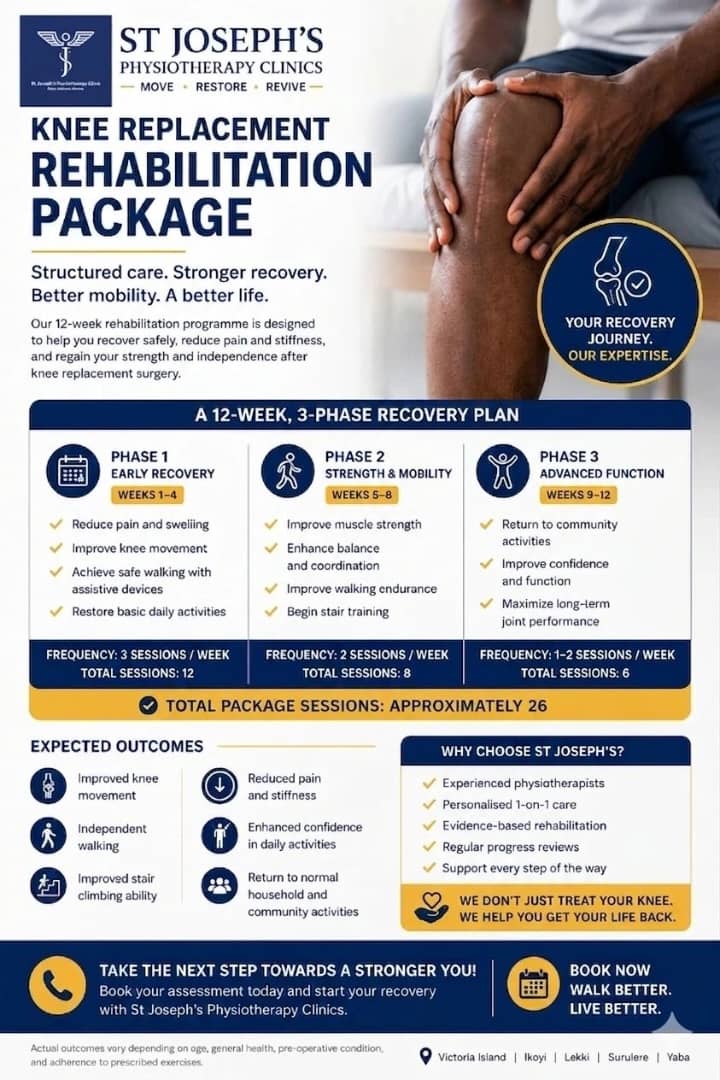
Complete Knee Replacement Rehabilitation Package in Lagos
Knee replacement surgery is a major step toward pain relief and improved mo…

NAMDA threatens strike over unpaid medical lecturers’ allowances
The Nigerian Association of Medical and Dental Academics (NAMDA) has warned…

Resident Doctors Signal End to Strike Threat After High-Level Talks with Gbajabiamila
The threat of a nationwide indefinite strike by the Nigerian Association of…