Sudden cardiac arrest- when the heart abruptly stops beating, can be fatal if it is not treated within minutes. However, warning signs like chest pain and shortness of breath, if caught earlier, can improve patient’s survival chances, a new study suggests.
The study published in the Annals of Internal Medicine, found that patients usually experience warning signs at about four weeks before their heart stops and sometimes, those symptoms tend to recur in the 24 hours before their heart stops.
The researchers examined data collected from 839 patients who had sudden cardiac arrests in the Portland area, with medical history taken from doctors at the hospital, emergency medical workers, family members and other witnesses at the scene. On average, the patients were around 53 years old, and the majorities were men.
Among 430 patients with warning symptoms before their heart stopped, 54 percent of men and 24 percent of women had chest pain, the study found. For women, however, shortness of breath was more common, occurring in 31 percent of those with warning symptoms compared with 14 percent of the men.
 Older patients and people with a history of heart disease were able to recognize the warning signs of sudden cardiac arrest and were more likely to call 911, the study found.
 After adjusting for differences in patients and resuscitation efforts, a 911 call was linked to more than four times greater survival odds for people who had warning symptoms.
“In the past, we have believed that sudden cardiac arrest is an unexpected event with very little warning and almost no time to intervene,” said senior study author Dr. Sumeet Chugh, associate director of the Cedars- Sinai Heart Institute in Los Angeles.
“This opens a new window of opportunity for prediction and prevention of sudden cardiac arrest, and for many patients we may have more time to intervene than we realized,” Chugh said.
The trouble is that only about one in five people who have warning symptoms call for help, the study found.
When they did call 911, survival odds shot up to 32 percent, compared with just 6 percent for people who had symptoms and didn’t seek emergency medical attention.
One of the biggest challenges in assessing symptoms that precede sudden cardiac arrest is that many patients die before they ever reach the hospital.
Still, the findings fit with what doctors already know about the way these episodes can develop, said Dr. Jeremy Ruskin, a researcher at Harvard Medical School and director of the cardiac arrhythmia service at Massachusetts General Hospital in Boston.
“Symptoms of chest pain and shortness of breath commonly reflect reduced blood flow to the heart which is also the mechanism that is ultimately responsible for the abnormal heart rhythms that cause cardiac arrest,” Ruskin said.
While perhaps not surprising, the findings still highlight the need for doctors to do a better job of educating patients, going beyond the classic description of chest pain or radiating pain in the left arm to include conditions like unexplained shortness of breath, persistent nausea, profound fatigue and light headedness, noted Dr. Venu Menon, a director of the cardiac intensive care unit at Cleveland Clinic in Ohio.
Here in Nigeria, a renowned cardiologist and Chief Medical Director, Lagos State University Teaching Hospital (LASUTH), Prof. Wale Oke, has also confirmed this report. In a recently published article by National Mirror, he explained that the victim of cardiac arrest is likely to experience some symptoms such as chest pain or angima days or hours before it strikes. The individual, according to him may feel a crushing chest pain on exertion which may spread to the arm or jaw and he may sometimes feel dizzy or faint. According to the cardiologist, the chances of an attack increases as the pain gets worse. Some patients may experience these signs two days before an attack, he says.
Prof. Oke says cardiac arrest can be both reversible and irreversible. “This will depend on who is there to help,” he says.
According to him, anyone experiencing a cardiac arrest requires Cardiopulmonary Resuscitation (CPR) immediately to prevent an imminent damage-to the heart, lung, kidney and brain. CPR is a basic emergency procedure for life support consisting of artificial respiration and manual external cardiac massage. Although it is necessary in cases of cardiac arrest to establish effective circulation and ventilation in order to prevent irreversible cerebral damage.
Like most killer diseases, cardiac arrest can also be prevented. All it takes, according to the cardiologist is a conscious effort by everyone to keep the heart in a good condition all the time.
Indeed, Prof. Oke says we cannot afford to neglect any organ of the body, not to talk of the heart. Thus to keep the heart trouble- free, the cardiologist recommends that individuals should maintain a healthy routine.
“Exercise and lose weight, if you are overweight, if you are hypertensive, see your doctor and check your blood pressure regularly at least every six months, cut down on cigarette smoking, sugar consumption and watch the amount of fat you eat”, he said.
By: Franka Osakwe
National Mirror News
ABUJA: Training Schedule for Basic Life Support BLS, Pediatric Advanced Life Support (PALS), Advanced Cardiovascular Life Support ACLS, First Aid, CPR, AED
PORTHARCOURT: Training Schedule for Basic Life Support BLS, Pediatric Advanced Life Support (PALS), Advanced Cardiovascular Life Support ACLS, First Aid, CPR, AED
LAGOS: Training Schedule for Basic Life Support BLS, Pediatric Advanced Life Support (PALS), Advanced Cardiovascular Life Support ACLS, First Aid, CPR, AED
STOP paying for airtime and electricity, Let your phone pay its bills with ScreenT
You may also like
Comrade Lemii Christian Emerges Chairman of NANNM Rivers State Branch in Historic Victory
PORT HARCOURT, NIGERIA Following the long awaited National Association of N…

FG Supports Robotic Surgery Expansion to Reduce Medical Tourism
Nigeria is taking another step toward strengthening specialised healthcare …
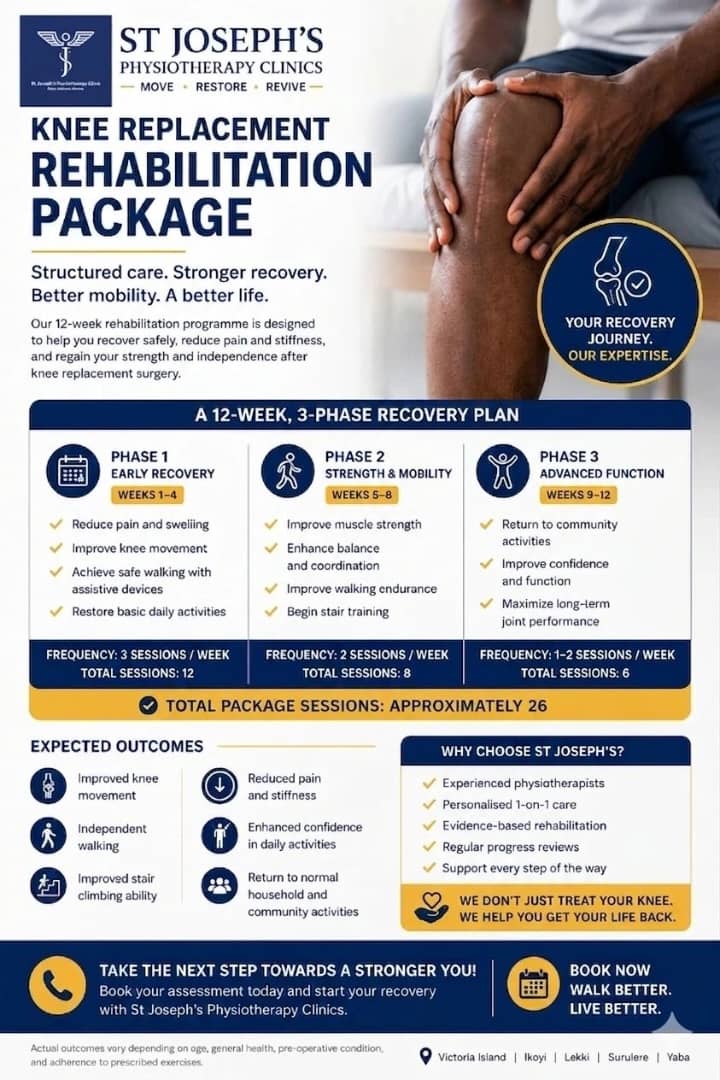
Complete Knee Replacement Rehabilitation Package in Lagos
Knee replacement surgery is a major step toward pain relief and improved mo…

NAMDA threatens strike over unpaid medical lecturers’ allowances
The Nigerian Association of Medical and Dental Academics (NAMDA) has warned…

Resident Doctors Signal End to Strike Threat After High-Level Talks with Gbajabiamila
The threat of a nationwide indefinite strike by the Nigerian Association of…