Plastic bottles contain hormone-disrupting chemicals that can cause cancer, diabetes, Attention Deficit Hyperactive Disorder (ADHD) and autism, scientists claimed in a report on Tuesday.
Endocrine-disrupting chemicals (EDCs) interfere with the body's hormonal system, affecting development and leaving the body open to a staggering range of diseases.
But they are found in thousands of everyday products, ranging from plastic and metal food containers, to detergents, flame retardants, toys and cosmetics.
These chemicals are responsible for scores of illnesses - costing the United States (U.S.) an eye-watering $340 billion in health-relat-ed costs each year, a bombshell report by NYU Langone said.
 The study was published in The Lancet Diabetes & Endocrinology, a medical jour-nal. The most common EDC-related illness is neurological - including attention-ADHD, autism and loss of IQ. The invisible but dangerous chemicals also boosted obesity, diabetes, some can-cers, male infertility and a painful condition known as endometriosis, the abnormal growth of tissue outside the uterus.
 So-called endocrine-disrupting chemicals are found in thousands of everyday products, ranging from plastic and metal food containers, to detergents, flame retardants, toys and cosmetics.
This term covers a number of chemicals. One is called PBDEs, which are commonly found in flame retardants. Bisphenol A in polycarbonate plastic is used for hard reusable bottles and food containers. Phthalates are used for disposable water bottles.
The invisible chemical cause neurological and behavioral disorders like autism and ADHD. They also affect IQ. And they manipulate hormones in a way that can cause cancer, diabetes, male infertility, and endometriosis.
To put a figure on the impact of EDCs, the researchers reviewed blood and urine samples from the National Health and Nutrition Examination Survey. The survey has gathered data since 2009 on major disease risk factors from 5,000 volunteers.
Computer models were then used to project how much each of 15 diseases or conditions was attributable to chemical exposure, and the estimated health costs for each one.
Source: The Guardian News
ABUJA: Training Schedule for Basic Life Support BLS, Pediatric Advanced Life Support (PALS), Advanced Cardiovascular Life Support ACLS, First Aid, CPR, AED
PORTHARCOURT: Training Schedule for Basic Life Support BLS, Pediatric Advanced Life Support (PALS), Advanced Cardiovascular Life Support ACLS, First Aid, CPR, AED
LAGOS: Training Schedule for Basic Life Support BLS, Pediatric Advanced Life Support (PALS), Advanced Cardiovascular Life Support ACLS, First Aid, CPR, AED
STOP paying for airtime and electricity, Let your phone pay its bills with ScreenT
You may also like

Comrade Lemii Christian Emerges Chairman of NANNM Rivers State Branch in Historic Victory
PORT HARCOURT, NIGERIA Following the long awaited National Association of N…

FG Supports Robotic Surgery Expansion to Reduce Medical Tourism
Nigeria is taking another step toward strengthening specialised healthcare …
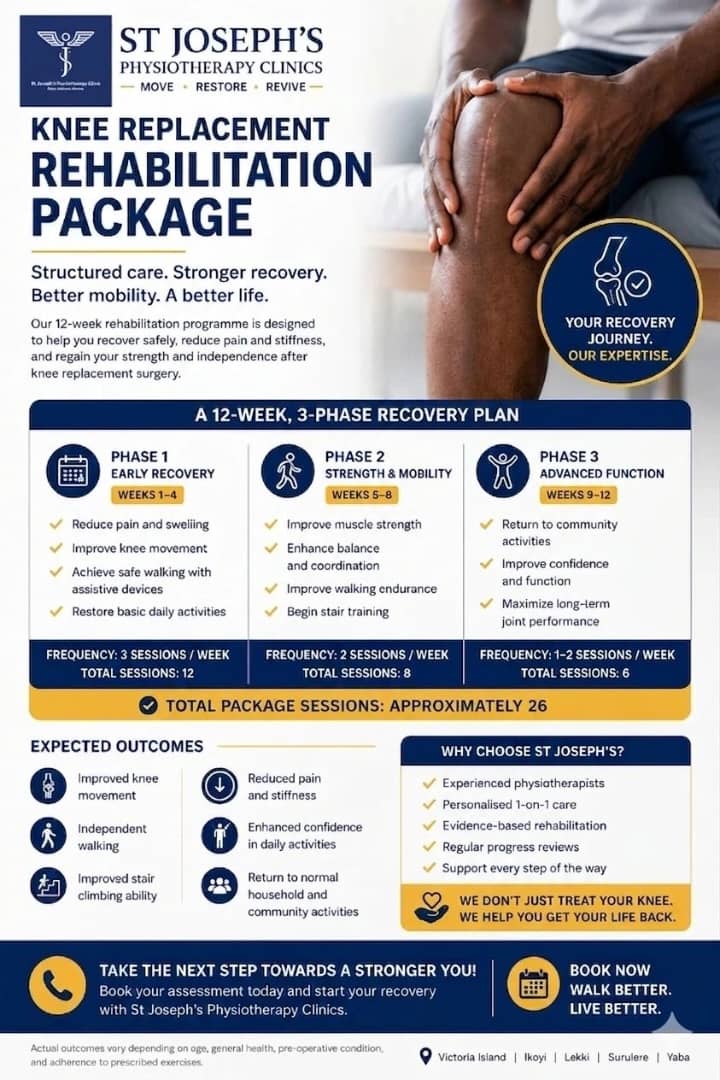
Complete Knee Replacement Rehabilitation Package in Lagos
Knee replacement surgery is a major step toward pain relief and improved mo…

NAMDA threatens strike over unpaid medical lecturers’ allowances
The Nigerian Association of Medical and Dental Academics (NAMDA) has warned…

Resident Doctors Signal End to Strike Threat After High-Level Talks with Gbajabiamila
The threat of a nationwide indefinite strike by the Nigerian Association of…