THE adequate access to clean waters, can be a long term solution to menace of cholera as water is the most common vehicle through which infection gets into the body. The constant contamination of water by human excrement, especially in the rural areas is a continuous critical problem that requires immediate solutions.
As most people, with the idea of water is "life "and "sweet", tends to drink any kind of water that looks pure and tastes sweet which can be calling for danger.
Living in an overcrowded, dirty or poor environment should not be a good reason to die of cholera, as there are some easy and less expensive ways to avoid consuming contaminated food and water. You can do as much as boiling your water for 1 to 3minutes, as it will kill every kind of organisms living in the water and also removing some chemicals by vaporizing them.
Avoid keeping paints, used-oil, cleaning solvent, polishes, pool chemicals, insecticide and other house hold hazardous chemicals out of drain sink and toilet. Many of this product contain harmful substances such as sodium hypochlorite, petroleum distillates, phenol and cresol, ammonia and formaldehyde that can end up in near water bodies.
Avoid pouring waste oils into gutters or down storm drains and resist the temptation of dump waste into the ground. A single quart of motor oil that slips into ground can pollute 250,000 gallons of drinking water.
According to WHO, cholera is an extremely virulent disease.
About 80% of people infected with cholera do not develop any symptoms, though the bacteria are present in their faeces for 1 to 10 days after infection and are shed back into the environment potentially infecting other people.
Among people who develop symptoms, 80% have mild or moderate symptoms while around20% develop acute watery diarrhea. Cholera transmission is closely linked to the inadequate environmental management.
Areas at risk include peri-urban slum, where basic infrastructure is not available as well as camp for internally displaced persons or refuges, where minimum requirement of clean water and sanitation are not met. The consequences of a humanitarian crisis such as disruption of water and sanitation system orthe displacement of population to inadequate and overcrowded camp, can increase the risk of cholera transmission should the bacteria be present or introduced.
According to Dr Emmanuel Enabulele in recent times, there have been reported cases of cholera outbreaks and possible epidemic affecting some states of the federation. "I feel humored by this especially when I hear some senior government officials making statements to alley the fear of the general public, saying that they are on top of the situation. I just smile.
"The reality is that as far back as the eighties one ofthe progressive states in the western part of the country, in addition to having separate hospitals for orthopedic and chest ailment had a cholera hospital. There, all that was treated was cholera. So when there is an upsurge in the number of deaths from cholera and people start talking of outbreak, epidemic etc. I just marvel because that is not the case, the right word for the prevalence of cholera in our environment is endemic; always here with us.
"Living in an overcrowded, dirty or poor environment should not be a good reason to die of cholera"
Cholera is an infection of the small intestine caused by a gram-position bacterium known as vibrio cholera. A couple of decades back, it was thought that two strains of the organisms existed, vibrio and EL-tor strains.
This was based on the virulence and severity of the symptoms elicited. It was believed that the vibrio strain was more virulent while the EL-tor only elicited mild symptoms. But currently the acceptance is that there is really no difference and what mattered was the bacteria load at the time of infection. As a rule, the load of the bacteria should be above 80million in this environment and this figure definitely would be less in people whose immunity has been compromised like people living with HIV. For some strange immunological reasons, we knew that those with blood group 0 are more Susceptible to cholera infection.

He said, cholera is contacted by either eating contaminated food or drinking water that has been loaded with bacteria. In our environment, contaminated water is about the only source through which this deadly infection is acquired. The reason is obvious.
According to him, the diagnosis of cholera is simple. Usually the person present with vomiting and spurious diarrhea. As much as 3 liters of watery stool can be passed in just a single episode.
The"stool is practically described as having rice water appearance and smells like FISH. In a day, a person lose up to "20 liters of water and if not treated, can end up with his/her life being threatened
"Once you have seen a cholera patient, you can't miss a second one. The blood pressure is low, the pulse is fast, the eye balls are Sunken and the skin texture is lost. The patient is extremely weak and the fear of death is always there. Samples for laboratory tests are mere formalities.
"Cholera organism is an interesting bacterium that has genetically evolved ways of surviving the acidic content of the stomach and mucus lining of the small intestine. "It does this by remaining biologically inert while passing through the stomach' and synthesizing protein pedicles that enable it gain access to the cellular lining of the small intestine. As a gram positive organism, it produces a complex protein structure known. as cholera toxin which on gaining access into the cells of the small intestine initiates a series of reaction that eventually leads to the production of cyclic adenosine monophosphate.
This compound is a cellular chemical energy driver."
" Its action is to actively push sodium, potassium, chloride ions, bicarbonate and water into the lumen of the intestine. It is very important to note that this process is energy driven and can in a long way contributes to the weakness the patient experiences. It must be emphasized that this process is in no way affected or interferes with the absorption of electrolyte solution that may be administered to the person during attempts to dehydrate him! her orally. The mechanism and path ways are different. Absorption of oral rehydration solution is passive while the process of water secretion into the lumen of the bowel is active. "In children especially, we have seen situations where care givers have stopped giving oral solutions, simply because the diarrhea has persisted! This is wrong.
"It must be remembered always that the process leading to the passage of watery stool is actually an inflammatory process in which the body tends to dilute the toxins and infecting organism in order to wash them off. The only snag in this process is that in the case of cholera there is massive water loss and salt depletion in the body. By the time this happens, you find that muscle spasms become common place and the person may be on his/her way out.
" The treatment of cholera must be aggressive. In severe cases, the clinician has no time in his hands. He must atleast have two intravenous lines going with fluids and electrolytes running fully. The organism is weak and sensitive to just any available antibiotics and in our environment, tetracycline is' still very effective.
The antibiotics course is usually not more than three days and the patient is up and about. The truth is 'that with prompt replacement of fluid and salt, antibiotics may not be necessary."
He also advises, once vomiting stops, the person is encouraged to drink and eat. We must always keep it at the back of our mind that man is 70% water and a loss of 25% of body weight in a very short time could be fatal. The prevention of cholera is cheaper than treating it . Sometimes when one thinks about the amount of investment needed to provide water and electricity for the people, those in authority bulk.
Purification of water by whatever means like boiling, chlorination, ultraviolet light sterilization and antimicrobial filtration are all too important in areas where cholera cases has been reported. Living in a resources constraint environment like ours, could be a challenge.
The source of water to the general populace is very important. It is unfortunate that in most cities the taps are all dry and people are now providing water for themselves through shallow wells and bore holes.
" Sewage disposable in certain communities is a nightmare. These are areas that stake-holders in public health and relevant authorities should be proactive.
Sewage drainages that are routed to gutters these days are not of the' best practices. "For having to say it; sewage should be treated with antibacterial chemical and agents before processing or disposal."
The eventual outcome in the treatment of, those afflicted with cholera is very good. The hallmark is early clinical diagnosis and the quick replacement of water and electrolytes. It is possible to achieve zero death with vigilance in susceptible areas and during times of natural disaster and conflict. Contrary to this case is when stake-holders are taken unawares where death toll could hit the thousand mark. "And that is when we usually talk. There was and still the need for cholera vaccine for those traveling from area of low prevalence to endemic areas to be given cholera vaccine. The usefulness of this has not been proven and besides the effectiveness of the vaccine and duration of potency especially in childhood. The challenge with affordability of cholera vaccine should also not be overlooked.
He noted that cholera outbreak or better put upsurge in our clime is a burden Of developing countries which by implication should be a burden of the government in conjunction with non-governmental organization and health care implementing partners. Environment of conflicts and conflagrations are usually cholera friendly. All would gain by simply being at peace and keeping the environment clean. Just live good life.
"Even though cholera is life threatening, preventing it can. be possible if proper sanitation practices are followed.
In developed countries, due to advanced water treatment and sanitation practices, cholera is no longer a major healthy threat. Proper disposal and treatment of infected faecal waste water produced by cholera victims and all contaminated materials e.g clothing, bedding, are essential. All materials that come in contact with cholera patient should be sanitised by washing In hor water, using chlorine bleach if possible. Hands that touch cholera patient or their clothing, bedding etc. should be thoroughly cleaned and disin- fected with chlorinated water or other effective antimicrobial agent."
By Ruth Etolihu
Daily Sun
ABUJA: Training Schedule for Basic Life Support BLS, Pediatric Advanced Life Support (PALS), Advanced Cardiovascular Life Support ACLS, First Aid, CPR, AED
PORTHARCOURT: Training Schedule for Basic Life Support BLS, Pediatric Advanced Life Support (PALS), Advanced Cardiovascular Life Support ACLS, First Aid, CPR, AED
LAGOS: Training Schedule for Basic Life Support BLS, Pediatric Advanced Life Support (PALS), Advanced Cardiovascular Life Support ACLS, First Aid, CPR, AED
STOP paying for airtime and electricity, Let your phone pay its bills with ScreenT
You may also like

Comrade Lemii Christian Emerges Chairman of NANNM Rivers State Branch in Historic Victory
PORT HARCOURT, NIGERIA Following the long awaited National Association of N…

FG Supports Robotic Surgery Expansion to Reduce Medical Tourism
Nigeria is taking another step toward strengthening specialised healthcare …
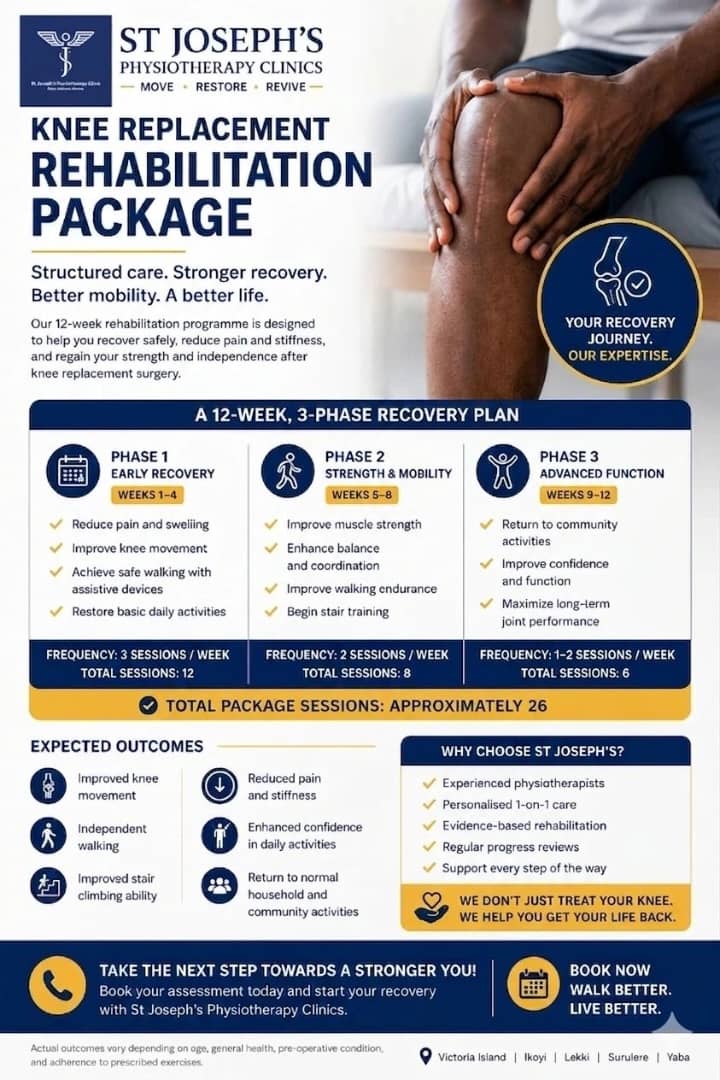
Complete Knee Replacement Rehabilitation Package in Lagos
Knee replacement surgery is a major step toward pain relief and improved mo…

NAMDA threatens strike over unpaid medical lecturers’ allowances
The Nigerian Association of Medical and Dental Academics (NAMDA) has warned…

Resident Doctors Signal End to Strike Threat After High-Level Talks with Gbajabiamila
The threat of a nationwide indefinite strike by the Nigerian Association of…