When a man reaches atoutan age 25, his prostate begins to grow. This natural growth is called benign prostatic hyperplasia (BPH) and it is the most common cause of prostate enlargement. BPH is a benign condition that does not lead to prostate cancer, though the two problems can coexist.
Although 50 per cent to 60 per cent of men with BPH may never develop any symptoms, others find that BPH can make life miserable.
The symptoms of BPH include:
• a hesitant, interrupted, weak urine stream
• urgency, leaking, or dribbling
• a sense of incomplete emptying
As a result, many men seek treatment. The good news is that treatments are constantly being improved. Patients and their physicians now have more medications to choose from, so if one doesn't do the trick, another can be prescribed. And thanks to some refinements, surgial treatments are more effective and have fewer side effects than ever before.
 But there are some things men dealing with BPH can do on their own. When symptoms are not particularly bothersome, watchful waiting may be the best way to proceed.
 For more troubling symptoms, most doctors begin by recommending a combination of lifestyle changes and medication. Often this will be enough to relieve the worst symptoms and prevent the need for surgery.
Relieving symptoms
Four simple steps can help relieve some of the symptoms of BPH:
1. Some men who are nervous and tense urinate more frequently. Reduce stress by exercising regularly and practicing relaxation techniques such as meditation.
2. When you go to the bathroom, take the time to empty your bladder the need for subsequent trips to the toilet.
3. Talk with your doctor about all prescription and over-the-counter medications you're taking; some may contribute to the problem. Your doctor may be able to adjust dosages or change your schedule for taking these drugs, or he or she may prescribe different medications that cause fewer urinary problems.
4. Avoid drinking fluids in the evening, particularly caffeinated and alcoholic beverages. Both can affect the muscle tone of the bladder, and both stimulate the kidneys to produce urine, leading to nighttime urination.
Source: Punch News
ABUJA: Training Schedule for Basic Life Support BLS, Pediatric Advanced Life Support (PALS), Advanced Cardiovascular Life Support ACLS, First Aid, CPR, AED
PORTHARCOURT: Training Schedule for Basic Life Support BLS, Pediatric Advanced Life Support (PALS), Advanced Cardiovascular Life Support ACLS, First Aid, CPR, AED
LAGOS: Training Schedule for Basic Life Support BLS, Pediatric Advanced Life Support (PALS), Advanced Cardiovascular Life Support ACLS, First Aid, CPR, AED
STOP paying for airtime and electricity, Let your phone pay its bills with ScreenT
You may also like

Comrade Lemii Christian Emerges Chairman of NANNM Rivers State Branch in Historic Victory
PORT HARCOURT, NIGERIA Following the long awaited National Association of N…

FG Supports Robotic Surgery Expansion to Reduce Medical Tourism
Nigeria is taking another step toward strengthening specialised healthcare …
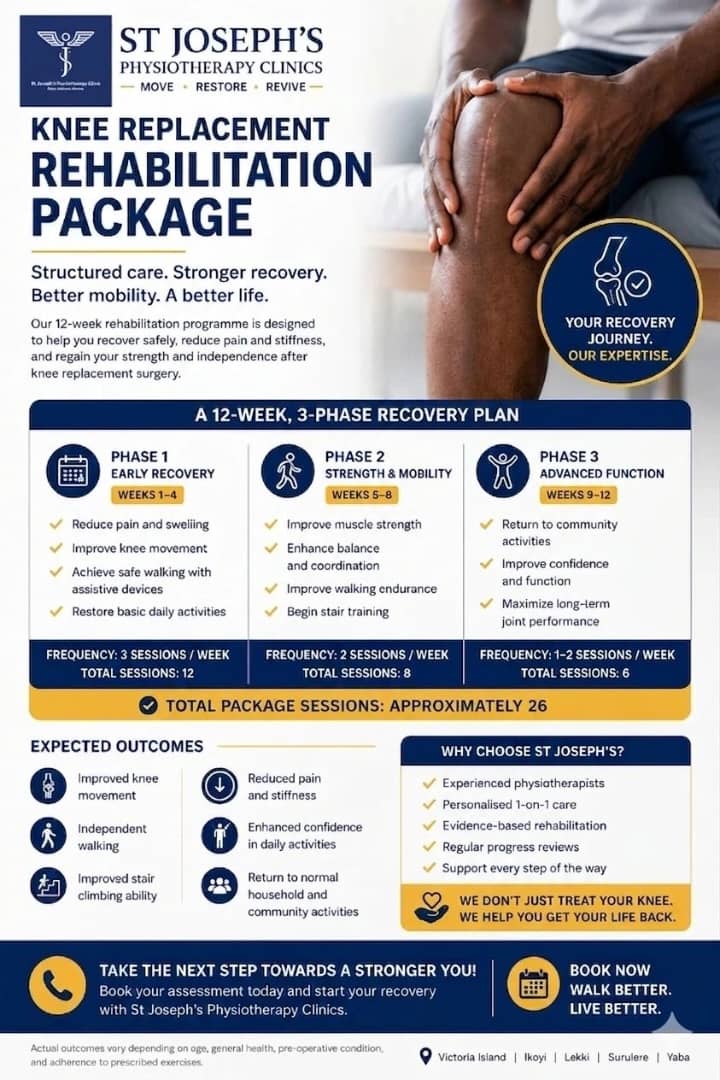
Complete Knee Replacement Rehabilitation Package in Lagos
Knee replacement surgery is a major step toward pain relief and improved mo…

NAMDA threatens strike over unpaid medical lecturers’ allowances
The Nigerian Association of Medical and Dental Academics (NAMDA) has warned…

Resident Doctors Signal End to Strike Threat After High-Level Talks with Gbajabiamila
The threat of a nationwide indefinite strike by the Nigerian Association of…
