With the reported case of lassa fever outbreak in eight States (Bauchi, Nassarawa, Niger, Taraba, Kano, Edo, Oyo and Rivers State) which infects 76 people with 35 death already reported and 14 cases confirmed by laboratories.
The Cross River State Government through the State Ministry of Health had put in drastic measures in place to prevent spread to Cross River State.
The Cross River State Commissioner for Health Dr (Mrs) Inyang Asibongstated this in a statement issued on Thursday after an emergency meeting held in her office with Directors and Stakeholders of the ministry.
Dr Inyang said the ministry shall explored full emergency public health response, its surveillance and other intervention measures to include education, information and communication activities to stop the disease from spreading to the state.
The Commissioner stressed that the state government is ready to collaborate with World Health Organization (WHO) and other relevant agencies to ensured adequate quantities of ribavirin, the specific antiviral drug for lassa fever to strategic health posts.
She also said clinicians and other health workers will be sensitized on universal precautions which is a practice, in medicine of avoiding contact with patient's bodily fluids since the symptoms of lassa fever are so varied and non - specific, clinical diagnosis is often difficult.
Lassa fever or lassa hemorrhagic fever (LHF) is an acute viral hemorrhagic fever transmitted from rodents to humans.
Lassa fever was first discovered in 1969 in the town of lassa, in Borno state, Nigeria. Lassa fever is a member of the Arenaviridae virus family, similar to ebola.
 Lassa fever results in 300,000 to 500, 000 cases annually and causes about 5000 death per year. The primary animal host of the lassa virus is the Natal multimammate mouse (mastomys natalensis).
Common routes of infection are - Contact between broken skin or mucus membrane and rat excreta.
-Ingestion of food contaminated with rat urine or faces.
-The use of rat as food.
-Person to person contact via sweat, blood faces, urine or other body fluids.
-People living in endemic area for lassa fever are at risk
SIGNS AND SYMPTOMS - In 80% of cases, the disease is asymptomatic but in the remaining 20%, it takes a complicated course. Non specific symptoms include fever, facial swelling and muscle fatigue as well as conjunctivitis and mucosal bleeding.
Other symptoms arising from the affected organs are nausea, vomiting, (bloody) diarrhea (bloody) hypertension, meningitis, seizures among others.
PREVENTION AND CONTROL OF LASSA FEVER - it relies on promoting good community hygiene to discourage rodents.
-Storing grain and other food stuffs in rodents proof containers.
-Disposing of garbage far from the home and maintaining clean house holds.
-Always be careful to avoid contact with blood and body fluids while caring for sick persons.
-Adhering to Universal precautions when caring for patients with suspected or confirmed lassa fever.
-Careful segregation of biologically hazardous waste.
-Health workers seeing a patient suspected to have lassa fever should immediately contact local and national experts for advice and to arrange for laboratory testing.
NOTE - The public should not be panic as Cross River State is safe but should call the following hot lines or report at the health facility closest to you if suspicious of lassa fever.
Abi - 07037400747, Akamkpa - 08038715409. Akpabuyo - 08138901502. Bskassi - 08022874600.
Bekwarra - 08072417474. Biase - 08066127990. Boki - 08069343461. Calabar Municipality - 08101589562. Calabar South - 07031826408, Etung - 08164995536. Ikom - 09022155086.
Obanliku - 08127194376. Obubra - 08138271908. Obudu - 08177359176. Odukpani - 08061232835.
Ogoja - 07032402937. Yakurr - 08069567651. Yala - 08089456724. Others are 08059282709. 08050540913.
You may also like
Comrade Lemii Christian Emerges Chairman of NANNM Rivers State Branch in Historic Victory
PORT HARCOURT, NIGERIA Following the long awaited National Association of N…

FG Supports Robotic Surgery Expansion to Reduce Medical Tourism
Nigeria is taking another step toward strengthening specialised healthcare …
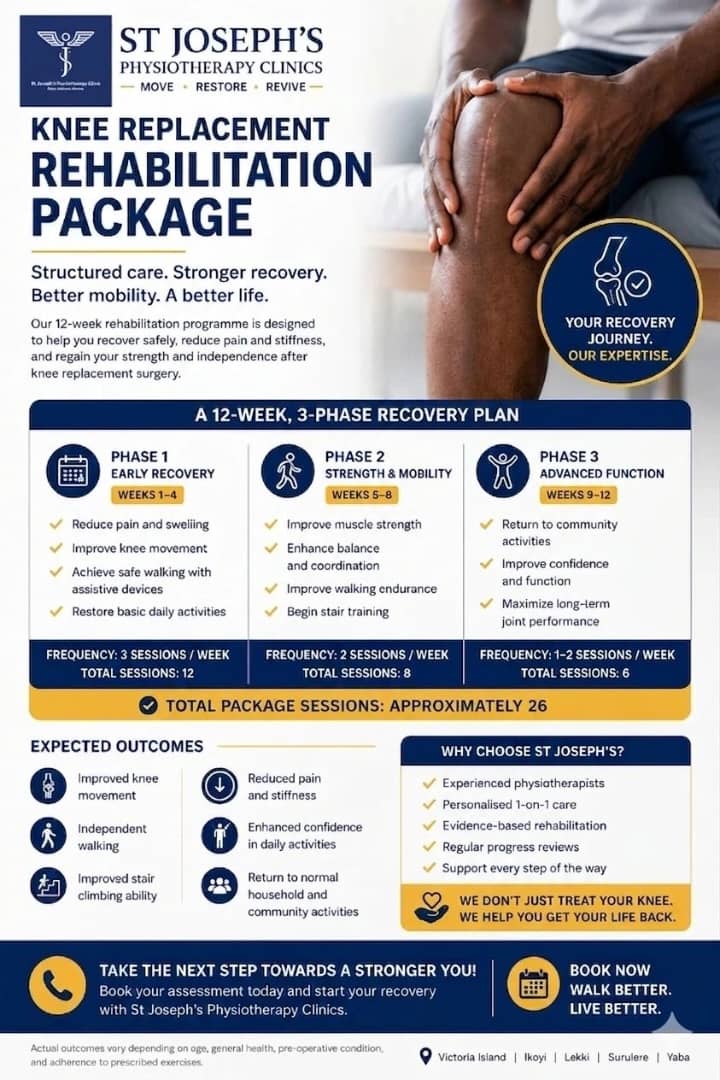
Complete Knee Replacement Rehabilitation Package in Lagos
Knee replacement surgery is a major step toward pain relief and improved mo…

NAMDA threatens strike over unpaid medical lecturers’ allowances
The Nigerian Association of Medical and Dental Academics (NAMDA) has warned…

Resident Doctors Signal End to Strike Threat After High-Level Talks with Gbajabiamila
The threat of a nationwide indefinite strike by the Nigerian Association of…