The World Health Organisation (WHO) recently certified Nigeria as being free from the deadly Ebola Virus Disease (EVD). The declaration came after the United Nations confirmed that Nigeria recorded no fresh cases of Ebola over a 42-day period. Ebola made landing in Nigeria when Liberian American Patrick Sawyer, who was infected with the virus, arrived in Lagos last July.
The disease has claimed around 5000 lives in the epicenter in West Africa, including eight in Nigeria. Commending Nigeria's achievement, WHO noted that it was "a spectacular success story that shows that Ebola can be contained...Such a story can help the many developing countries that are deeply worried by the prospect of an imported Ebola case and eager to improve their preparedness plans. Many wealthy countries with outstanding health systems may have something to learn as well."
Similar applause also came from the United States, which had a contend with a number of Ebola cases of its own, including at least one fatality. For the first time in a long period, Nigeria was the cynosure of the rest of world for a positive reason; it was indeed a most heart-warming moment. It shows that the country can get it right with a combination of sound policy and a supportive public.
The federal, Lagos and Rivers state governments deserve kudos for the prompt and proactive measure they took in checking the spread of EVD. The authorities moved swiftly to declare a public health emergency, which helped in no small measure to bring awareness to the public. The states joined hands with the federal government to deploy personnel and financial resources to tackle the disease, relegating partisanship to the back ground.
Given the fact that the Ebola outbreak happened when the Nigeria Medical Association (NMA) was on a nationwide strike, the few private sector doctors and other health workers, who braved the odds to stake the lives to treat those infected, merits some recognition. A number of them got infected with the virus in the course of treating patients, and never survived it.
It is however premature to celebrate the WHO declaration because Ebola is still a global threat, with many of Nigeria's West African neighbors ravaged by it. Dropping of the guard would be a terrible mistake; the country must remain vigilant, especially at ports of entry. Indeed, the federal government must heighten surveillance and continue public awareness on the deadly disease because Nigeria's borders are notoriously porous.
Governments at the federal and state levels should stand up and squarely face the challenges of salvaging the shambolic public health sector. Nigeria may have been lucky this time with the Ebola outbreak, but does not need to wait for another calamity to make an appearance before embarking on fire brigade measures to try and contain it.
There are some lesions to be learnt from the handling of the Ebola situation. If the federal government acted as determinedly and speedily as it did in handling the boko Haram insurgency in the northest as it moved against this deadly virus, perhaps the country would not now be talking about the rescue of the over 200 schoolgirls abducted from Chibok, Borno State, by mourning the thousands of their compatriots killed in the senseless violence.
In the same vein, if the federal government replicated the Ebola efforts in the fight against corruption, it would go a long way in the taming the monster that is threatening to permeate every aspect of national life. It makes no sense to stigmatise and discriminate against those who came in contact with people infected with Ebola and subsequently tested negative to it; some have even lost their jobs. The government must step in and rescue the situation and prohibit such discriminatory
practices.
ABUJA: Training Schedule for Basic Life Support BLS, Pediatric Advanced Life Support (PALS), Advanced Cardiovascular Life Support ACLS, First Aid, CPR, AED
PORTHARCOURT: Training Schedule for Basic Life Support BLS, Pediatric Advanced Life Support (PALS), Advanced Cardiovascular Life Support ACLS, First Aid, CPR, AED
LAGOS: Training Schedule for Basic Life Support BLS, Pediatric Advanced Life Support (PALS), Advanced Cardiovascular Life Support ACLS, First Aid, CPR, AED
STOP paying for airtime and electricity, Let your phone pay its bills with ScreenT
You may also like
Comrade Lemii Christian Emerges Chairman of NANNM Rivers State Branch in Historic Victory
PORT HARCOURT, NIGERIA Following the long awaited National Association of N…

FG Supports Robotic Surgery Expansion to Reduce Medical Tourism
Nigeria is taking another step toward strengthening specialised healthcare …
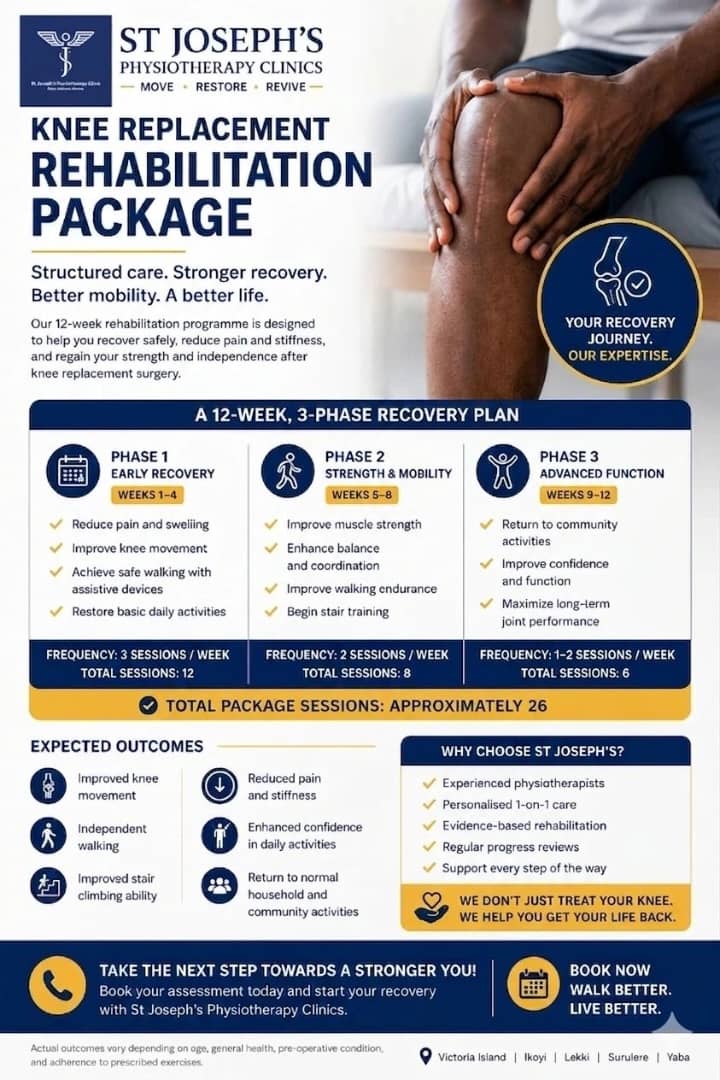
Complete Knee Replacement Rehabilitation Package in Lagos
Knee replacement surgery is a major step toward pain relief and improved mo…

NAMDA threatens strike over unpaid medical lecturers’ allowances
The Nigerian Association of Medical and Dental Academics (NAMDA) has warned…

Resident Doctors Signal End to Strike Threat After High-Level Talks with Gbajabiamila
The threat of a nationwide indefinite strike by the Nigerian Association of…