Health experts have said the voice of citizens must lead priorities in health, if efforts in health care are to make any positive impact.
Speaking at a forum, Making Our Voices Count - Active Citizenship for Health, organised by the group Nigeria Health Watch, Dr Chikwe Ihekweazu, a managing partner for the health consultancy EpiAfric, said, “It isn’t enough to just go and shout, we have to shout effectively.”
“Accountability stems from demand,” he told Daily Trust. “If we as citizens keep quiet, we shouldn’t expect our government to focus on health. They will only focus when we ask them to, and to ask them we have to educate ourselves on how to do that.
“It means we have to educate ourselves on issues that matter, we have collaborate, work together—which are very difficult steps, but they are necessary steps,” Ihekweazu said.
Concern about implementation of the National Health, passed into law December 2014, continues to grow, while experts continue to break the law into bits the public can understand.
Ihekweazu said experts had done a lot of work simplifying the act, “but now we need to really start pushing.”
 “We still haven’t seen a lot of output apart from the 1% (basic health funding) everyone is talking about. Now is the time to start organising ourselves to hold government to account.
 “The timelines are passing: we will soon go into another budget cycle and we still dont have the 1%. This cannot be business as usual, but if we keep quiet they will keep quiet. So we need to raise our voices effectively.”
Experts want priorities to focus on the demands of millions of rural poor across Nigeria.
“The key question is how to get the voices of the poor in talking about health, what the priorities should be,” Charles Usie, country director for Christian Aid UK in Nigeria.
“Based on these priorities, the little amount of monev available should be channelled there rather than channel money into political campaign promises. That is the starting point until we get the right framework for healthcare delivery in Nigeria.”
Usie particularly emphasised need to have the voice of women and children.
“They suffer the most exclusion, they suffer the major pains, so their voice needed to be heard clearly,” said Usie. “Their voice needs to be high on the agenda in terms of what needs to be done and what the priorities are.”
By: Judd-Leonard Okafor
Daily Trust News
ABUJA: Training Schedule for Basic Life Support BLS, Pediatric Advanced Life Support (PALS), Advanced Cardiovascular Life Support ACLS, First Aid, CPR, AED
PORTHARCOURT: Training Schedule for Basic Life Support BLS, Pediatric Advanced Life Support (PALS), Advanced Cardiovascular Life Support ACLS, First Aid, CPR, AED
LAGOS: Training Schedule for Basic Life Support BLS, Pediatric Advanced Life Support (PALS), Advanced Cardiovascular Life Support ACLS, First Aid, CPR, AED
STOP paying for airtime and electricity, Let your phone pay its bills with ScreenT
You may also like
Comrade Lemii Christian Emerges Chairman of NANNM Rivers State Branch in Historic Victory
PORT HARCOURT, NIGERIA Following the long awaited National Association of N…

FG Supports Robotic Surgery Expansion to Reduce Medical Tourism
Nigeria is taking another step toward strengthening specialised healthcare …
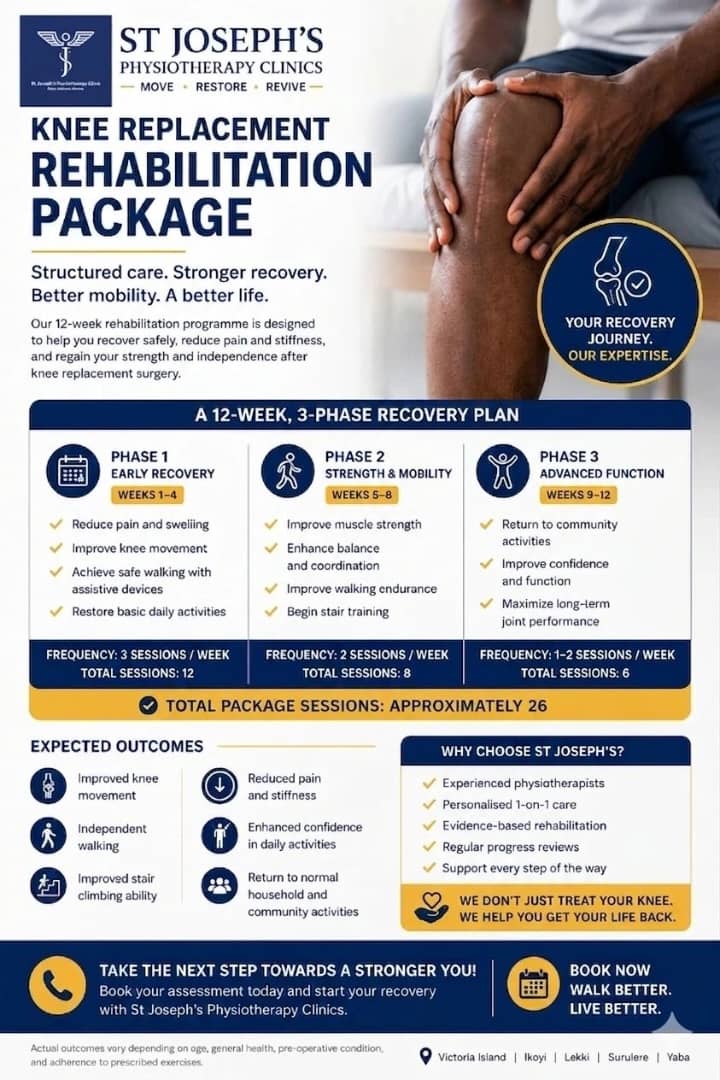
Complete Knee Replacement Rehabilitation Package in Lagos
Knee replacement surgery is a major step toward pain relief and improved mo…

NAMDA threatens strike over unpaid medical lecturers’ allowances
The Nigerian Association of Medical and Dental Academics (NAMDA) has warned…

Resident Doctors Signal End to Strike Threat After High-Level Talks with Gbajabiamila
The threat of a nationwide indefinite strike by the Nigerian Association of…