The nerve and blood vessel damage caused by diabetes can become a problem for your feet if you develop neuropathy and lose feeling in your feet or hands or get an infection. To ensure the best possible foot health, follow these easy tips to avoid injury, and your feet will be healthy longer.
Inspect your feet every day: Nerve damage is a complication of diabetes that makes it hard to feel when you have sores or cracks in your feet. Place a mirror on the floor to see under your feet or ask a friend or relative for help if you can’t see all parts of your feet clearly.
Avoid hot tubs: When people with diabetes develop nerve damage or neuropathy, it’s hard to tell if the bath water is too hot. Stepping into a bath before checking the temperature can cause serious damage to your feet, and burns and blisters are open doors to infection. Use your elbow to check the water temperature before getting into the tub or shower.
Use proper footwear/socks: Shoe shopping for people with diabetes requires a little more attention to detail than you may be used to. Look for shoes with more depth in the toe box, good coverage of both top and bottom, and without seams inside the shoe that can rub on your foot. Likewise, seek socks without seams, preferably socks that are padded and made from cotton or another material that controls moisture.

Don’t go barefoot: Even inside your house, being barefoot puts your feet at risk for small cuts, scrapes, and penetration by splinters, glass shards, etc. If you have neuropathy, you might not notice these dangerous damages until they become infected. It’s best to wear shoes at all times, even in the house.
Keep your skin dry: Make sure that drying your feet/between your toes is part of your hygiene routine. Skin gets moist and breaks down, leading to infection. Prevent this by toweling off thoroughly after washing your feet and by removing wet or sweaty socks or shoes immediately. You can still use moisturizer to prevent dry, cracked skin – just avoid putting it between your toes.
Source: American Diabetes Association
THE PUNCH
ABUJA: Training Schedule for Basic Life Support BLS, Pediatric Advanced Life Support (PALS), Advanced Cardiovascular Life Support ACLS, First Aid, CPR, AED
PORTHARCOURT: Training Schedule for Basic Life Support BLS, Pediatric Advanced Life Support (PALS), Advanced Cardiovascular Life Support ACLS, First Aid, CPR, AED
LAGOS: Training Schedule for Basic Life Support BLS, Pediatric Advanced Life Support (PALS), Advanced Cardiovascular Life Support ACLS, First Aid, CPR, AED
STOP paying for airtime and electricity, Let your phone pay its bills with ScreenT
You may also like

Comrade Lemii Christian Emerges Chairman of NANNM Rivers State Branch in Historic Victory
PORT HARCOURT, NIGERIA Following the long awaited National Association of N…

FG Supports Robotic Surgery Expansion to Reduce Medical Tourism
Nigeria is taking another step toward strengthening specialised healthcare …
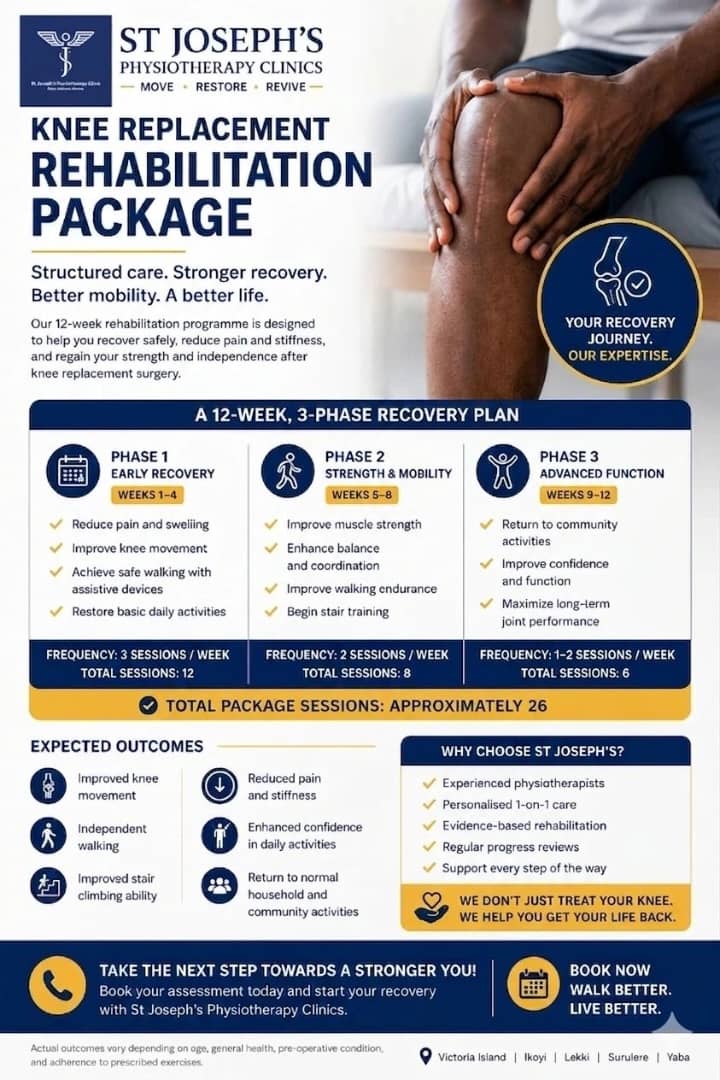
Complete Knee Replacement Rehabilitation Package in Lagos
Knee replacement surgery is a major step toward pain relief and improved mo…

NAMDA threatens strike over unpaid medical lecturers’ allowances
The Nigerian Association of Medical and Dental Academics (NAMDA) has warned…

Resident Doctors Signal End to Strike Threat After High-Level Talks with Gbajabiamila
The threat of a nationwide indefinite strike by the Nigerian Association of…