Osteoporosis means gradual breaking down of bones. It is a condition where the amount of bone tissue in the body is below what is normal for a person, taking into account their sex and age.
Oftentimes, osteoporosis is called ‘the silent disease’ as it can remain undetected until someone has a broken bone as a osteoporosisresult of a fall or an accident. Osteoporosis on its own does not cause pain nor is it a type of arthritis.
Research has shown that osteoporosis can strike at any age, but occurs mostly in people over 50. One in two women and one in four men older than age 50 will experience an osteoporosis-related bone fracture during their lifetime. Another study has also shown that there is good evidence that the adequacy of a child’s diet at least partially determines their osteoporosis risk in adulthood.
The best test to diagnose osteoporosis is to getting an osteoporosis screening/ scan by your doctor to determine the density of the bones. Usually the same reference point in the skeleton is chosen.
Hip and wrist fractures usually result from falls, whereas fractures of the spine tend to occur spontaneously when a weakened vertebra eventually crumples under the stress of supporting the body’s weight.
There are various factors known to increase the rate at which bone loss occurs. They are: genetic causes (a family history of osteoporosis means a greater risk), illness or inactivity, poor diet (low in calcium), conditions that affect absorption of foods, such as coeliac disease, being very underweight, smoking and increased alcohol intake.
Medically related causes are: Steroid drug treatment (particularly if prolonged more than a few weeks), early menopause or the removal of the ovaries at a young age (under 45 years), hormone abnormalities such as over-activity of the thyroid gland or the glands that produce the body’s natural steroids, or under-production of testosterone in men, chronic liver or kidney disease and vitamin D deficiency.
There are many ways to help our bodies build strong and healthy bones, especially during childhood and adolescence. After about the age of 30, it’s difficult to increase bone mass, but protecting the bones can begin at any age.
Taking steps to build bone health while one is young can save people from this disease. However, at every age, a bone-building diet and regular physical activity are important. They help ensure bone tissue continues to be built since bones are constantly under construction.

Certain cells break down bone tissue and other cells use the calcium and nutrients in the foods we eat to build new bone. Many foods contain calcium, but the richest and most easily absorbed source is found in dairy products like low-fat and non-fat milk, yogurt and cheese; fish eaten with bones- canned sardines and salmon and fatty varieties such as salmon, mackerel, tuna and sardines; fruits and vegetables such as turnip greens, kale, okra, cabbage, okra, tomato products, potatoes, sweet potatoes, mustard green, broccoli, papaya, oranges, orange juice, bananas and dark leafy vegetables such as collard greens, spinach, turnip greens and brussel sprouts. All these also have important nutrients like vitamins A, C, D and K, potassium and magnesium, Also, legumes, cereals, nuts and seeds are also important foods for osteoporosis.
“Excess phosphorus promotes calcium loss from the body when calcium intake is low,” says Linda Massey, a dietician and professor of human nutrition at Washington State University in Spokane.
Many soft drinks and certain other carbonated soft drinks contain phosphoric acid, which can increase calcium excretion in the urine. And nearly all soft drinks lack calcium. So, if you must consume soft drinks take it in moderate quantity. Avoid caffeine-laden drinks and reach for decaffeinated iced tea or hot tea.
Calcium supplements can be recommended. There are several types available on prescription if someone’s dietary intake is low or marginal. Frail elderly people with poor mobility may be helped by taking a calcium supplement along with vitamin D.
Consequently, if you are not physically active your bones will suffer. Over time, they will become less dense, weaker and more likely to fracture. Regular weight-bearing activity can help maintain bone strength and reduce the rate of loss of bone mineral. Activities such as brisk walking, climbing stairs or jogging are good examples of weight-bearing exercise. Short bouts of high-impact activity, such as jumping up and down are helpful for building bones when one is young.
Limit salt intake. Salt can pose a great obstacle to a sturdy skeleton. Research has found that postmenopausal women with a high-salt diet lose more bone minerals than other women of the same age.
It is also vital to quit smoking and then, alcohol consumption should also be kept within safe limits.
By: CHIZOBA BENSON
National Mirror
ABUJA: Training Schedule for Basic Life Support BLS, Pediatric Advanced Life Support (PALS), Advanced Cardiovascular Life Support ACLS, First Aid, CPR, AED
PORTHARCOURT: Training Schedule for Basic Life Support BLS, Pediatric Advanced Life Support (PALS), Advanced Cardiovascular Life Support ACLS, First Aid, CPR, AED
LAGOS: Training Schedule for Basic Life Support BLS, Pediatric Advanced Life Support (PALS), Advanced Cardiovascular Life Support ACLS, First Aid, CPR, AED
STOP paying for airtime and electricity, Let your phone pay its bills with ScreenT
You may also like
Comrade Lemii Christian Emerges Chairman of NANNM Rivers State Branch in Historic Victory
PORT HARCOURT, NIGERIA Following the long awaited National Association of N…

FG Supports Robotic Surgery Expansion to Reduce Medical Tourism
Nigeria is taking another step toward strengthening specialised healthcare …
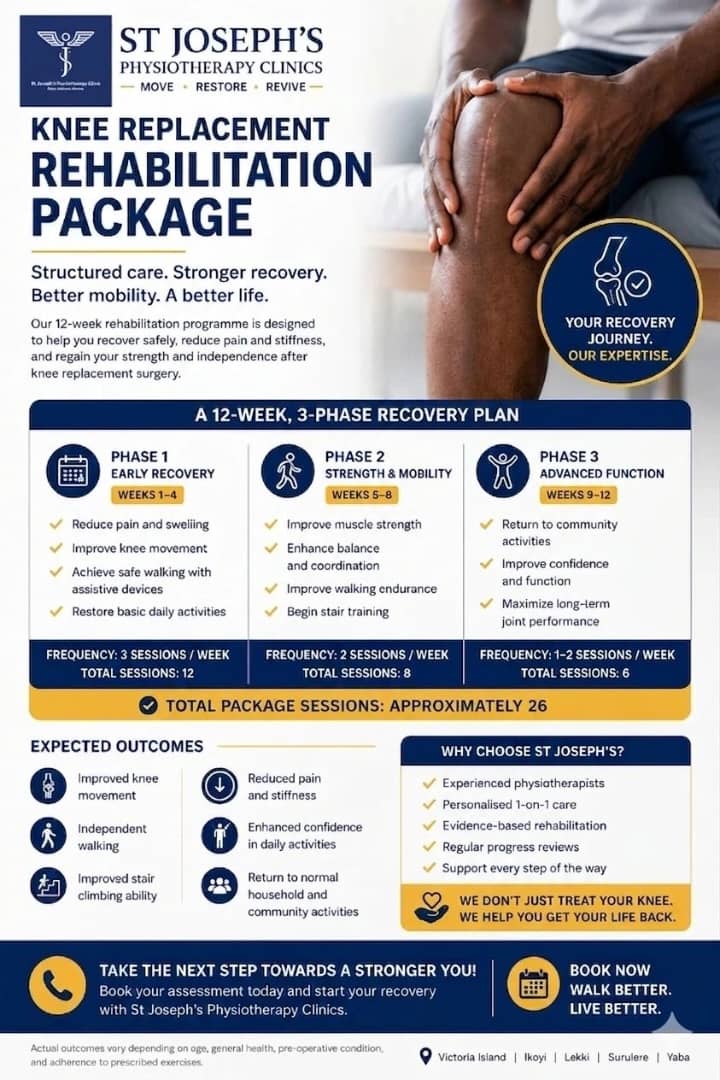
Complete Knee Replacement Rehabilitation Package in Lagos
Knee replacement surgery is a major step toward pain relief and improved mo…

NAMDA threatens strike over unpaid medical lecturers’ allowances
The Nigerian Association of Medical and Dental Academics (NAMDA) has warned…

Resident Doctors Signal End to Strike Threat After High-Level Talks with Gbajabiamila
The threat of a nationwide indefinite strike by the Nigerian Association of…