A study led by researchers from the Institute for Research in Biomedicine (IRB) affiliated to the University della Svizzera italiana (USI), shows that L-arginine, an amino acid that is consumed through diet, can boost the activity of a particular type of immune cells, so called T cells. When the levels of L-arginine are increased the metabolism of these cells is reorganized and the cells survive longer and are more effective in fighting tumors.
These findings are published in the renowned scientific journal Cell and open up new ways to improve T cell therapies against cancer.
 T cells play crucial roles in the immune defense against viruses, bacteria and cancer cells. Along sought after goal of immunologists is to tailor the activity and effectiveness of T cells to modulate the immune response. To explore the possibility that the activity of T cells can be regulated by components of our diet, the researchers systematically analyzed fluctuations of metabolic pathways in T cells following activation.
 For this, Roger Geiger, a postdoctoral fellow in the laboratory of Antonio Lanzavecchia (IRB Bellinzona) teamed up with the research groups of Nicola Zamboni (ETH ZUrich) and Matthias Mann (MPI Munich) that are specialized in mass spectrometry-based technologies for the analysis of hundreds of metabolites and thousands of proteins within a cell.
Based on this highresolution analysis, the arginine metabolism was identified as a potential point for therapeutic intervention. This possibility was tested in the laboratory of Federica Sallusto (IRB Bellinzona) and led to the discovery that orally administered L-arginine endowed T cells with a higher survival capacity and a better effectiveness against tumors.
To understand the underlying molecular mechanism, the researchers collaborated with another team headed by Paola Picotti (ETH Zurich) that developed a method for the identification of proteins that interact with metabolites. Using this approach three proteins were identified that sense increased L-arginine levels and participate in the remodeling of T cells toward increased SUP vival.
Source: The Guardian News
ABUJA: Training Schedule for Basic Life Support BLS, Pediatric Advanced Life Support (PALS), Advanced Cardiovascular Life Support ACLS, First Aid, CPR, AED
PORTHARCOURT: Training Schedule for Basic Life Support BLS, Pediatric Advanced Life Support (PALS), Advanced Cardiovascular Life Support ACLS, First Aid, CPR, AED
LAGOS: Training Schedule for Basic Life Support BLS, Pediatric Advanced Life Support (PALS), Advanced Cardiovascular Life Support ACLS, First Aid, CPR, AED
STOP paying for airtime and electricity, Let your phone pay its bills with ScreenT
You may also like
Comrade Lemii Christian Emerges Chairman of NANNM Rivers State Branch in Historic Victory
PORT HARCOURT, NIGERIA Following the long awaited National Association of N…

FG Supports Robotic Surgery Expansion to Reduce Medical Tourism
Nigeria is taking another step toward strengthening specialised healthcare …
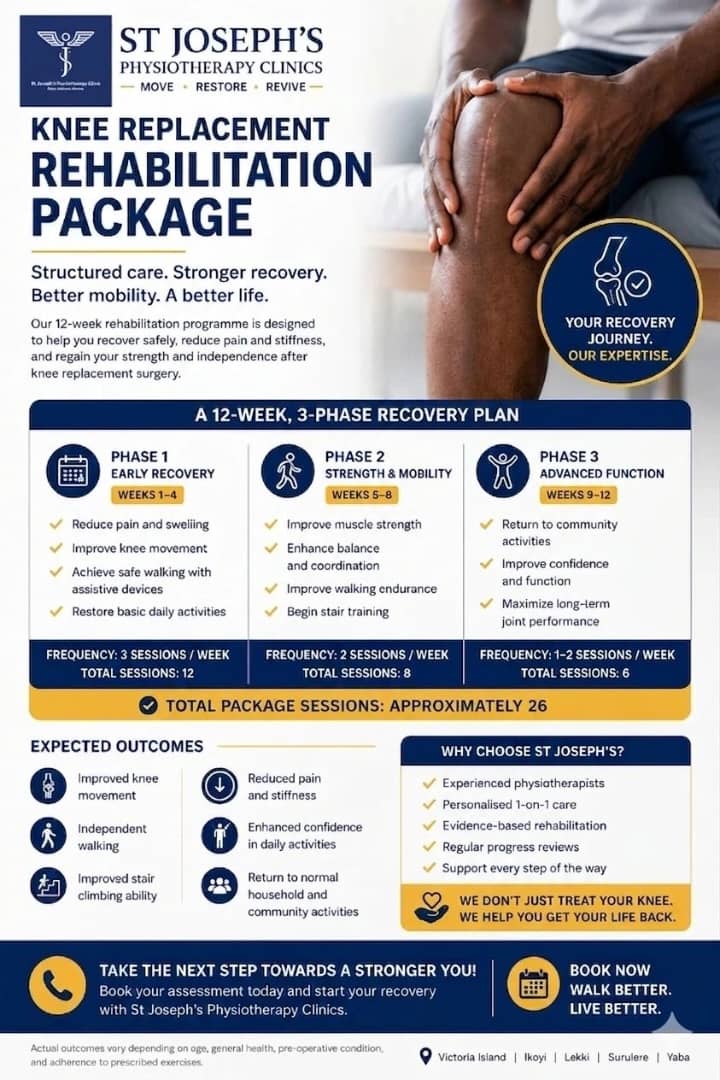
Complete Knee Replacement Rehabilitation Package in Lagos
Knee replacement surgery is a major step toward pain relief and improved mo…

NAMDA threatens strike over unpaid medical lecturers’ allowances
The Nigerian Association of Medical and Dental Academics (NAMDA) has warned…

Resident Doctors Signal End to Strike Threat After High-Level Talks with Gbajabiamila
The threat of a nationwide indefinite strike by the Nigerian Association of…