A man who claimed he was kept as a slave by a doctor and his wife for 24 yearssaid his passport was hidden from him for more than 10 years.
Ofonime Sunday Inuk had left his native Nigeria in 1989 when he was about 14 years old, a jury at Harrow crown court was told. He had accompanied the couple, Emmanuel and Antan Edet, from Nigeria, going first to Israel before arriving in the UK.
He stayed at various addresses with the couple’s family, where he cleaned and looked after their home and children. He was told to speak in their native language.
 The prosecution claimed Inuk had become so dependent on the Edets he felt he had no choice but to stay with them. He had been told that if he left their house and reported matters to the police he would be arrested as an illegal immigrant and sent back to Nigeria.
 Emmanuel Edet, 60, a trained obstetrician and gynaecologist, and his wife, Antan, 58, a senior sister at a hospital, have each pleaded not guilty to holding a person in slavery and servitude. The couple of Perivale, north-west London, also deny assisting unlawful immigration and cruelty to a person under the age of 16.
Inuk, now 39, gave evidence on Thursday at the north-west London court from behind a screen so that he could not see his alleged tormentors. He was shown a copy of his passport, which he said he had not seen since 2001.
Asked by the prosecutor, Roger Smart, where the document had been from 2001 to now, Inuk said: “It was with Dr Edet.” Inuk told the jury that Edet had told him “the passport had expired and that I should go to Nigeria to get it”. He was also told they would get an emergency travel ticket from the Nigerian embassy, but this never happened, the court heard.
Despite feeling dependent on the Edets, Inuk made several attempts to try to break away from them. He told the jury that he spoke to a family friend, an MP, and was left feeling “a bit dejected” when he tried to report them to the police around 2005 only to be told they could not help.
Inuk had gone to Greenford police station, in west London, accompanied by a family friend to speak up for him because he was “not used to talking to people”.
Smart had previously noted that the matter was recorded as a missing passport and “it was incorrectly believed by the officer to whom it was reported that he could not help”.
Inuk also told the court that he had been “sick of being in the house all the time” and had tried to the join the army but was told at the recruitment office that they would need to see his passport. “I told the army that I would not be able to come because I did not have my passport with me,” he told the jury.
Inuk’s family contacted the Edets in 2004 after they received a worrying letter in which he described how he was being treated. He recalled that Antan, who was “not happy” that Inuk’s cousin had come to visit, claimed they had sent money and passports to Nigeria. They also claimed they had transferred money in to a bank account, but Inuk had no knowledge of this account, the court was told.
Inuk also wrote to the local MP, Stephen Pound, about his passport and used his friend’s address so that the Edets would not find out about it. He later met Pound at one of his local surgeries who offered to help him contact the Nigerian embassy and suggested he could try to see about getting a new passport. Inuk said he did not take up the offer of help because, “I did not have the money to pay for the passport”.
He did not ask the Edets to pay for the passport because he was worried about their reaction, he said. He would rip up any letters he received from relatives or friends because the Edets used to open them and “look through my things”. He also warned a friend not to write in case the Edets got hold of the note.
The trial continues.
ABUJA: Training Schedule for Basic Life Support BLS, Pediatric Advanced Life Support (PALS), Advanced Cardiovascular Life Support ACLS, First Aid, CPR, AED
PORTHARCOURT: Training Schedule for Basic Life Support BLS, Pediatric Advanced Life Support (PALS), Advanced Cardiovascular Life Support ACLS, First Aid, CPR, AED
LAGOS: Training Schedule for Basic Life Support BLS, Pediatric Advanced Life Support (PALS), Advanced Cardiovascular Life Support ACLS, First Aid, CPR, AED
STOP paying for airtime and electricity, Let your phone pay its bills with ScreenT
You may also like
Comrade Lemii Christian Emerges Chairman of NANNM Rivers State Branch in Historic Victory
PORT HARCOURT, NIGERIA Following the long awaited National Association of N…

FG Supports Robotic Surgery Expansion to Reduce Medical Tourism
Nigeria is taking another step toward strengthening specialised healthcare …
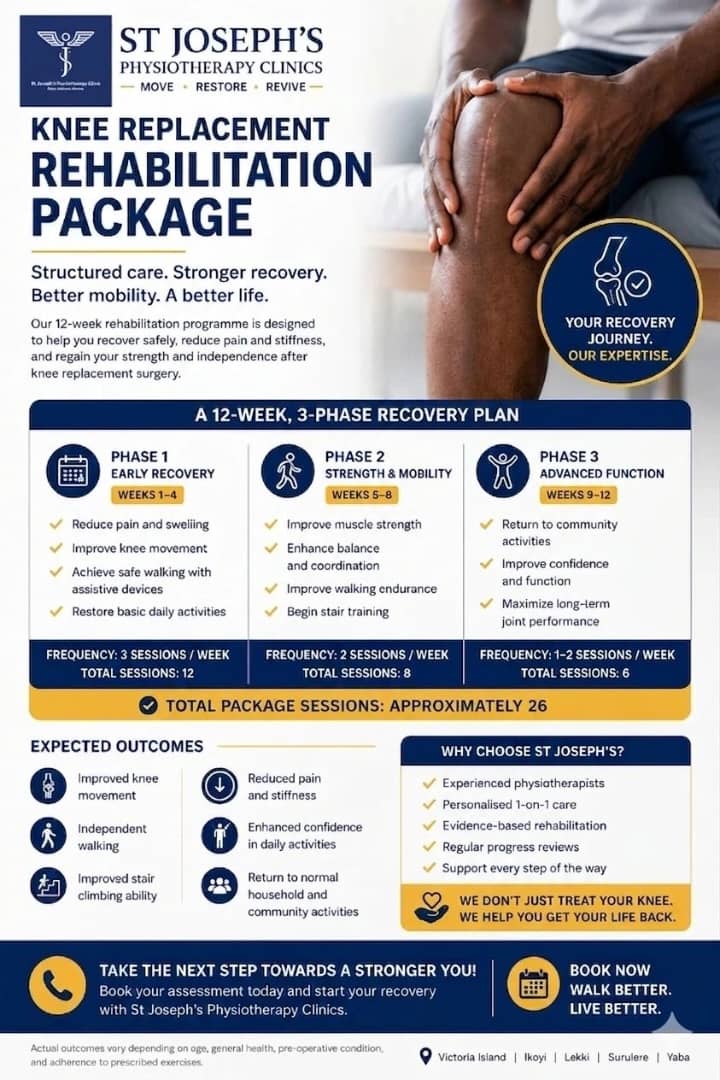
Complete Knee Replacement Rehabilitation Package in Lagos
Knee replacement surgery is a major step toward pain relief and improved mo…

NAMDA threatens strike over unpaid medical lecturers’ allowances
The Nigerian Association of Medical and Dental Academics (NAMDA) has warned…

Resident Doctors Signal End to Strike Threat After High-Level Talks with Gbajabiamila
The threat of a nationwide indefinite strike by the Nigerian Association of…