A drug that combines a cough suppressant with a heart medication might offer a safer option for calming the agitation that commonly affects people with Alzheimer’s disease, an early clinical trial suggests.
The study, of 220 Alzheimer’s patients, found that the drug — called Nuedexta — generally eased agitation symptoms over 10 weeks.
And it did not worsen patients’ problems with memory, thinking and judgment, researchers reported in the Sept. 22/29 issue of the Journal of the American Medical Association.
As Alzheimer’s disease progresses, people often go through periods of agitation that can range from restlessness and pacing to aggressive behavior like yelling, fighting and destroying objects.
If those issues can be managed without medication, that’s always best, said Dr. Sam Gandy, a professor of neurology and psychiatry at Mount Sinai Hospital, in New York City.
But some people do end up needing medication, which currently means antipsychotic drugs that were developed for conditions such as schizophrenia and bipolar disorder.
.jpg)
“Those drugs basically spilled over into Alzheimer’s treatment,” said Gandy, who is also a spokesman for the American Federation for Aging Research.
The problem, Gandy explained, is that when given to elderly dementia patients, antipsychotics can have serious side effects, including faster mental decline and heart complications.
The new study tested the effects of Nuedexta, because it’s potentially safer and is already on the market for treating a little-known neurological condition called pseudobulbar affect.
The medication is a combination of the cough suppressant dextromethorphan as well as quinidine, a drug that treats abnormal heart rhythms called arrhythmias.
Pseudobulbar affect refers to involuntary outbursts of laughing or crying that can happen to people with brain damage or certain neurological diseases, including Parkinson’s, Lou Gehrig’s disease and Alzheimer’s.
The new findings suggest the drug also helps calm Alzheimer’s-related agitation. But it’s too soon to know for sure, said Anne Corbett, a dementia researcher who co-wrote an editorial published with the study.
“It’s important to remember that these are early results,” said Corbett, who is based at King’s College London, in the United Kingdom.
New York Times News Service
THE PUNCH
ABUJA: Training Schedule for Basic Life Support BLS, Pediatric Advanced Life Support (PALS), Advanced Cardiovascular Life Support ACLS, First Aid, CPR, AED
PORTHARCOURT: Training Schedule for Basic Life Support BLS, Pediatric Advanced Life Support (PALS), Advanced Cardiovascular Life Support ACLS, First Aid, CPR, AED
LAGOS: Training Schedule for Basic Life Support BLS, Pediatric Advanced Life Support (PALS), Advanced Cardiovascular Life Support ACLS, First Aid, CPR, AED
STOP paying for airtime and electricity, Let your phone pay its bills with ScreenT
You may also like

Comrade Lemii Christian Emerges Chairman of NANNM Rivers State Branch in Historic Victory
PORT HARCOURT, NIGERIA Following the long awaited National Association of N…

FG Supports Robotic Surgery Expansion to Reduce Medical Tourism
Nigeria is taking another step toward strengthening specialised healthcare …
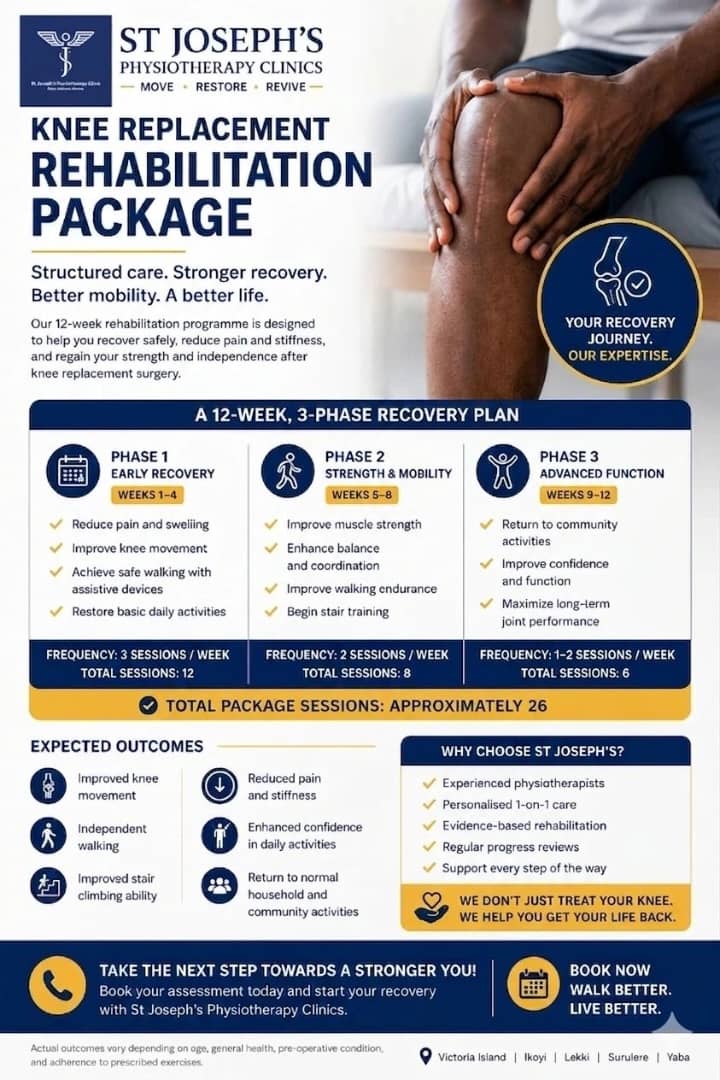
Complete Knee Replacement Rehabilitation Package in Lagos
Knee replacement surgery is a major step toward pain relief and improved mo…

NAMDA threatens strike over unpaid medical lecturers’ allowances
The Nigerian Association of Medical and Dental Academics (NAMDA) has warned…

Resident Doctors Signal End to Strike Threat After High-Level Talks with Gbajabiamila
The threat of a nationwide indefinite strike by the Nigerian Association of…
