A new drug, known as OTS964, can eradicate aggressive human lung cancers transplanted into mice, according to a report in Science Translational Medicine. The drug, given as a pill or by injection, inhibits the action of a protein that is overproduced by several tumor types, including lung and breast, but is rarely expressed in healthy adult tissues. Without this protein, cancer cells fail to complete the cell-division process and die.
When taken by mouth, the drug was well tolerated with limited toxicity. An intravenous form, delivered within a liposome, was just as effective with fewer side effects. Both approaches — described in the October 22, 2014 issue of Science Translational Medicine — led to complete regression of transplanted tumors.
“We identified the molecular target for this drug ten years ago, but it took us nearly a decade to find an effective way to inhibit it,” said study author Yusuke Nakamura, MD, PhD, professor of medicine at the University of Chicago and deputy director of the University’s Center for Personalized Therapeutics. “We initially screened 300,000 compounds and then synthesized more than 1,000 of them, and found a few that were likely to work in humans. We focused on the most effective. We think we now have something very promising.”
OTS964 targets TOPK (T — lymphokine-activated killer cell — originated protein kinase), a protein that is produced by a wide range of human cancers and is believed to promote tumor growth. High TOPK expression correlates with poor prognosis in patients with breast and lung cancer.
Initial studies of the drug, and a precursor called OTS514, found they were effective in killing cancer cells. But they could disrupt the production of new red and white blood cells, causing hematopoietic toxicity such as mild anemia and increasing the risk of infection. At the same time, the drugs increased the production of platelets, which help in blood clotting.
When the researchers encapsulated the drugs in liposomes — microscopic bubbles similar to a cell membrane, commonly used to transport drugs within the body — the drug no longer caused this decrease in red and white blood cells. This approach “completely eliminated the hematopoietic toxicity,” the researchers wrote.
They tested OTS964 alone and in liposomes in mice with a highly aggressive human lung tumor known as LU-99. They allowed the tumors to grow to 150 cubic millimeters — about the size of a raisin — and then administered the drug intravenously to six mice, twice a week for three weeks. The tumors shrank rapidly and continued to shrink even after treatment stopped. In five of the six mice, the tumors completely disappeared — three within 25 days of the first treatment and two within 29 days. Mice that received the liposome-coated drug had no detectable toxicity.
The drug also proved effective when taken in larger doses by mouth. Six mice with LU-99 lung tumors were fed 100 milligrams per kilogram of OTS964 every day for two weeks. Again, continuous tumor shrinkage was observed after the final dose of the drug. In all six mice the tumors completely regressed. All of the mice had low white-blood-cell counts after treatment, but they recovered within two weeks.
Although this was a small study, the outcome was dramatic. Seeing these results was a “quite exciting moment,” said Nakamura, who stepped down from his role as Director in the Japanese Government’s Office of Medical Innovation to join the faculty at the University of Chicago in April 2012. “It is rare to see complete regression of tumors in a mouse model,” he said. “Many drugs can repress the growth, but it is uncommon to see them eradicated. This has rarely been reported.”
Source: sciencedaily.com
ABUJA: Training Schedule for Basic Life Support BLS, Pediatric Advanced Life Support (PALS), Advanced Cardiovascular Life Support ACLS, First Aid, CPR, AED
PORTHARCOURT: Training Schedule for Basic Life Support BLS, Pediatric Advanced Life Support (PALS), Advanced Cardiovascular Life Support ACLS, First Aid, CPR, AED
LAGOS: Training Schedule for Basic Life Support BLS, Pediatric Advanced Life Support (PALS), Advanced Cardiovascular Life Support ACLS, First Aid, CPR, AED
STOP paying for airtime and electricity, Let your phone pay its bills with ScreenT
You may also like
Comrade Lemii Christian Emerges Chairman of NANNM Rivers State Branch in Historic Victory
PORT HARCOURT, NIGERIA Following the long awaited National Association of N…

FG Supports Robotic Surgery Expansion to Reduce Medical Tourism
Nigeria is taking another step toward strengthening specialised healthcare …
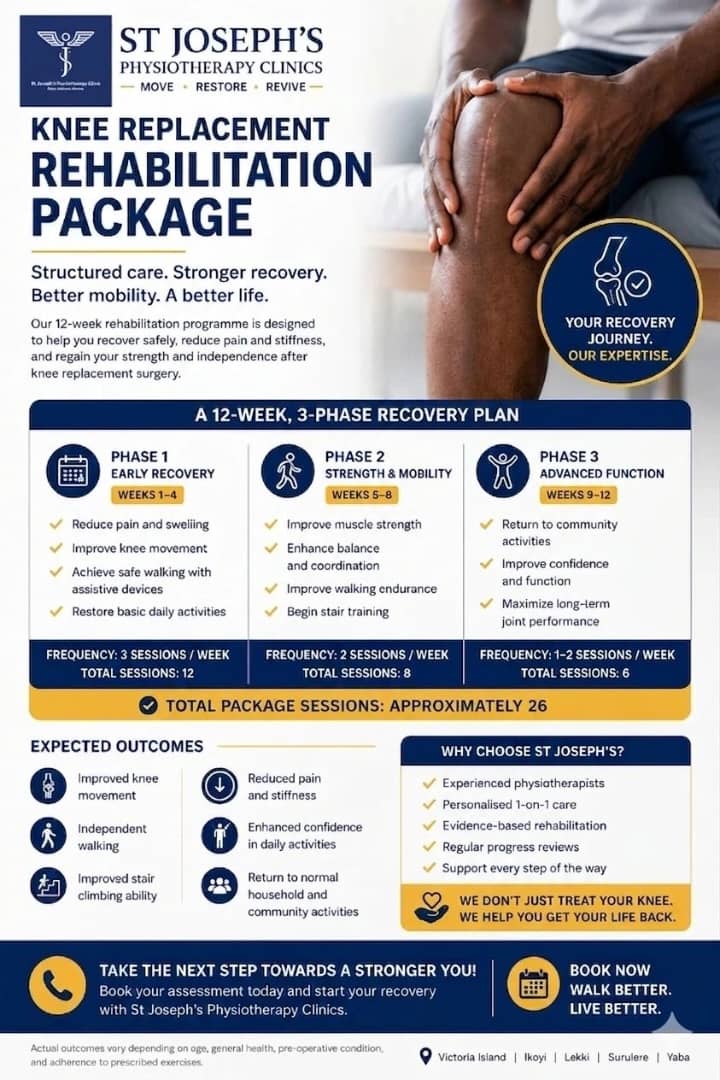
Complete Knee Replacement Rehabilitation Package in Lagos
Knee replacement surgery is a major step toward pain relief and improved mo…

NAMDA threatens strike over unpaid medical lecturers’ allowances
The Nigerian Association of Medical and Dental Academics (NAMDA) has warned…

Resident Doctors Signal End to Strike Threat After High-Level Talks with Gbajabiamila
The threat of a nationwide indefinite strike by the Nigerian Association of…