National Medicine Adviser, World Health Organisation, Abuja, Dr. Ogori Taylor has called for change in pharmacy curriculum to suit the modern day health delivery.
She said this was necessary as the training of pharmacists in Nigeria universities is mainly focus on the delivery of pharmaceutical services to individual patients but the system in dealing with public health has its dynamics which the students must be taught as an undergraduate.
Taylor made the disclosure while delivering the keynote address titled, “the role of pharmacist in the control of disease of public health,” at the annual general meeting and scientific symposium of the West African Postgraduate College of Pharmacists in Lagos, last week.
The ceremony was also to induct and present certificates to new fellows of the college.
The WHO expert explained that undergraduates studying pharmacy are only trained to promote individualization of therapist without paying attention to public health delivery mechanism which over the years has been the bane of pharmacy profession.
She therefore said if this trend is not stopped, the country would continue to produce pharmacists who may not be able to practice in the country but in developed country.
“Our approach to agenda setting should be more strategic that what is currently on ground that is why pharmaceutical curricular in human resources is very important because our current graduates education suit the developed countries than our own health care system which we need to stop before it is too late,” she reiterated.
 The president of the college, Mr. Wiltshire Johnson said the symposium was aimed at re-orientating the way health care services are delivered in West Africa with the pharmaceutical sector being the key to paradigm shift.
 “We must bring to focus new leadership tasks, indulge in policy and operational activities that are crucial to achieving our objective of greater relevance in achieving our mandate.”
Congratulating the new fellows, he said people of West Africa need them more than ever before and the profession of pharmacy even more.
A total of 161 fellows which cut across clinical, community pharmacy, drug production and quality assurance, public health, social and administrative pharmacy were inducted
ABUJA: Training Schedule for Basic Life Support BLS, Pediatric Advanced Life Support (PALS), Advanced Cardiovascular Life Support ACLS, First Aid, CPR, AED
PORTHARCOURT: Training Schedule for Basic Life Support BLS, Pediatric Advanced Life Support (PALS), Advanced Cardiovascular Life Support ACLS, First Aid, CPR, AED
LAGOS: Training Schedule for Basic Life Support BLS, Pediatric Advanced Life Support (PALS), Advanced Cardiovascular Life Support ACLS, First Aid, CPR, AED
STOP paying for airtime and electricity, Let your phone pay its bills with ScreenT
You may also like
Comrade Lemii Christian Emerges Chairman of NANNM Rivers State Branch in Historic Victory
PORT HARCOURT, NIGERIA Following the long awaited National Association of N…

FG Supports Robotic Surgery Expansion to Reduce Medical Tourism
Nigeria is taking another step toward strengthening specialised healthcare …
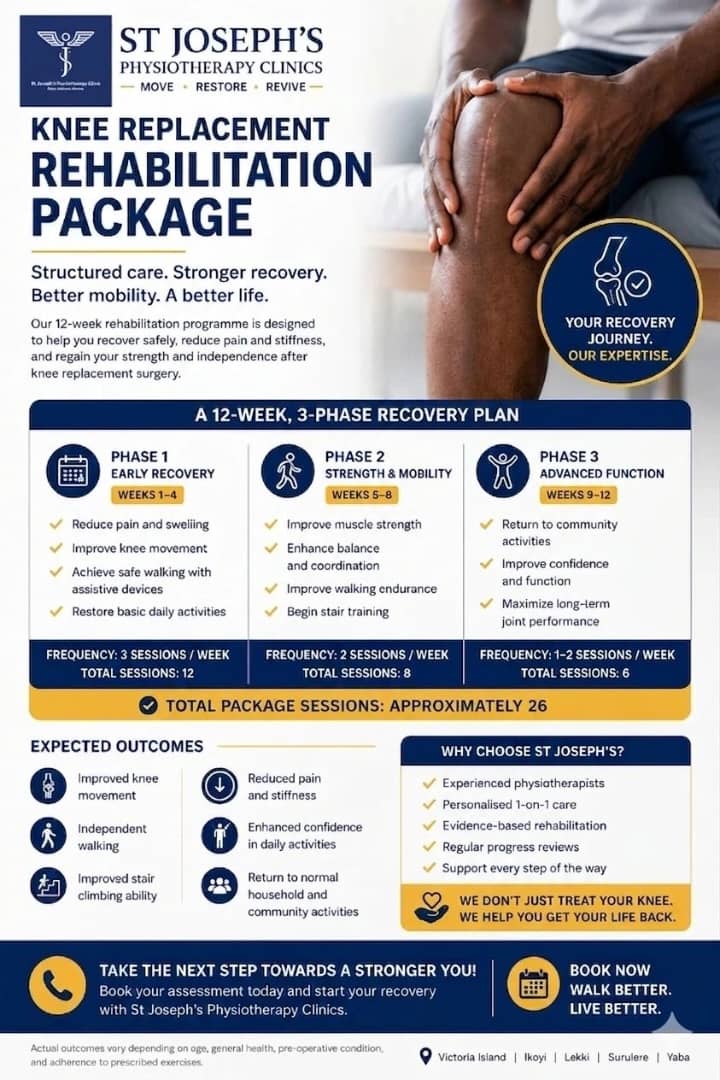
Complete Knee Replacement Rehabilitation Package in Lagos
Knee replacement surgery is a major step toward pain relief and improved mo…

NAMDA threatens strike over unpaid medical lecturers’ allowances
The Nigerian Association of Medical and Dental Academics (NAMDA) has warned…

Resident Doctors Signal End to Strike Threat After High-Level Talks with Gbajabiamila
The threat of a nationwide indefinite strike by the Nigerian Association of…