Doctors and researchers from 45 international organizations are recommending stomach banding surgery as a treatment option for patients with type 2 diabetes who are obese or mildly obese. The surgery is for patients whose glucose levels have not been manageable with drugs, according to a May 24 article published in The Guardian. In the United Kingdom, experts are recommending to offer the surgery to as many as 100,000 patients.
“We’re changing the paradigm,” Professor Sir George Alberti, a diabetologist and former president of the Royal College of Physicians, said in the article.
The article stated, “In 1979, there were approaching 100 million people worldwide with diabetes. Last year that had risen to 422 million, although the figure was probably an underestimate.” According to the article, the dramatic increase has been fueled by global obesity.
The American Society for Metabolic and Bariatric Surgery website’s fact sheet quoted information from two U.S. comparative studies published in 2012 by the New England Journal of Medicine, which showed promising results from the surgery: “Cleveland Clinic study showed within one year, diabetes remission rates with bariatric surgery were about 40% (42% gastric bypass, 37% gastric sleeve) compared to about 12% for patients treated with the best pharmacotherapy available; patients had BMI between 27 and 43.”
 “Catholic University/New York-Presbyterian/Weill Cornell Medical Center showed remission rates were about 85% for bariatric surgery (75% gastric bypass, 95% biliopancreatic diversion) and zero for medical therapy in patients with BMI greater than 35, after two years.”
 In a January 2016 Diabetes Care supplement from the American Diabetes Association, researchers stated, “Providers should advise overweight and obese patients that higher BMIs increase the risk of cardiovascular disease and all-cause mortality. Providers should assess each patient’s readiness to achieve weight loss and jointly determine weight loss goals and intervention strategies. Strategies include diet, physical activity, behavioral therapy, pharmacological therapy and bariatric surgery (Table 6.1). The latter two strategies may be prescribed for carefully selected patients as adjuncts to diet, physical activity and behavioral therapy.”
Researchers in the study further stated that “treatment with bariatric surgery has been shown to achieve near or complete normalization of glycemia two years following surgery in 72% of patients (compared with 16% in a matched control group treated with lifestyle and pharmacological interventions).”
As of September 2015, according to a Robert Wood Johnson Foundation study, “The State of Obesity,” rates of obesity now exceed 35% in three states (Arkansas, West Virginia and Mississippi), 22 states have rates above 30%, 45 states are above 25% and every state is above 20%.”
Meanwhile, the CDC’s 2014 National Diabetes Statistics Report states “29.1 million people, or 9.3% of the U.S. population have diabetes.”
Source: Nurse.com News
ABUJA: Training Schedule for Basic Life Support BLS, Pediatric Advanced Life Support (PALS), Advanced Cardiovascular Life Support ACLS, First Aid, CPR, AED
PORTHARCOURT: Training Schedule for Basic Life Support BLS, Pediatric Advanced Life Support (PALS), Advanced Cardiovascular Life Support ACLS, First Aid, CPR, AED
LAGOS: Training Schedule for Basic Life Support BLS, Pediatric Advanced Life Support (PALS), Advanced Cardiovascular Life Support ACLS, First Aid, CPR, AED
STOP paying for airtime and electricity, Let your phone pay its bills with ScreenT
You may also like
Comrade Lemii Christian Emerges Chairman of NANNM Rivers State Branch in Historic Victory
PORT HARCOURT, NIGERIA Following the long awaited National Association of N…

FG Supports Robotic Surgery Expansion to Reduce Medical Tourism
Nigeria is taking another step toward strengthening specialised healthcare …
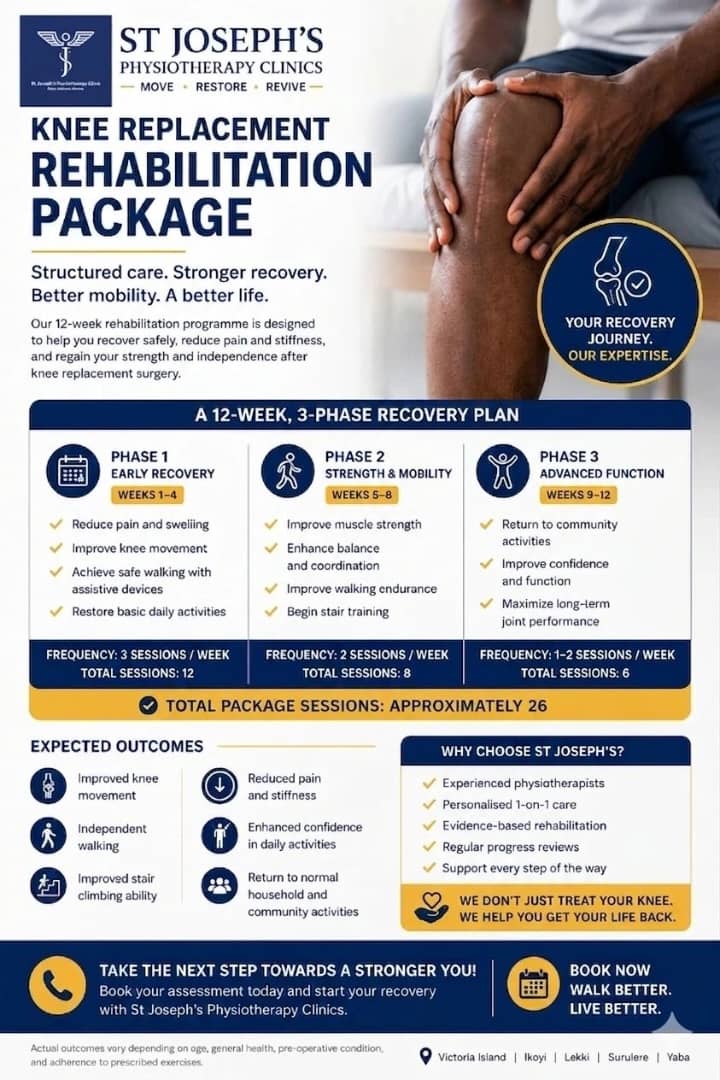
Complete Knee Replacement Rehabilitation Package in Lagos
Knee replacement surgery is a major step toward pain relief and improved mo…

NAMDA threatens strike over unpaid medical lecturers’ allowances
The Nigerian Association of Medical and Dental Academics (NAMDA) has warned…

Resident Doctors Signal End to Strike Threat After High-Level Talks with Gbajabiamila
The threat of a nationwide indefinite strike by the Nigerian Association of…
