. Why do we break wind and how do you treat bad breath?
. On average, we produce between 500ml and two litres of gas each day. The amount of water you drink can affect how your breath smells, One of the leading cause of excess sweating is drinking too much water
. Lack of protein, iron and complex carbohydrates can result in hair loss
Ask almost anyone and there'll be something about their bodies that they aren't happy with. From wanting away a few pounds to wishing hair would shape differently, there are many minor gripes many of us would prefer to be different. But what about the really embarrassing body problems, like sweating so much you need to change clothes or breath so bad you can clear a room?
Here, leading experts reveal exactly what's behind our taboo bodily quirks - and what you can do about the irksome symptoms. From the bacteria lurking in the deepest crevices in our mouths to extremely ripe smelling feet, they explain the root cause of the problems and offer their top tips in how to beat them...
YELLOW TEETH
No matter how great you look, if your smile reveals two rows of yellow teeth it is never a good look. The good news is, you can prevent this if you're prepared to cut out the occasional chicken vindaloo or glasses of red wine.
Dr Uchenna Okoye, clinical director at London Smiling Dental Group,and smile director for Oral-B, says the primary cause is down to lifestyle. 'The stuff you eat and drink can stain the teeth and smoking is the worst. Anything that would stain a white T-shirt will stain your teeth,' she says. 'Everyone thinks coffee is worse but it's tea. If you leave tea in the cup for 20 minutes and then come back, the inside of the cup is really stained. 'People often don't realise with herbal teas is what you see in your cup is what you're doing to your teeth. 'Life's too short not to enjoy it but there are things you can do to manage it. 'There's new white strips in the UK which we have just got which are a bit like having sticky tape around your teeth for an hour a day for two weeks.'
Whitening strips are small pieces of a flexible plastic called polyethylene which are coated in a whitening gel that contains hydrogen peroxide or carbamide peroxide. The strips mould around your teeth while the peroxide gel seeps into the teeth to lighten them. Or, she recommends using strawberries and bicarbonate of soda, as the combination acts as a natural tooth whitener. She advises taking eight strawberries, the riper and softer the better, and half a teaspoon of bicarbonate of soda and creating a paste.
Put a piece of cotton in between the teeth to bite on, smear the paste over the teeth and rub it a little to whiten the teeth, she said. The bicarbonate of soda is abrasive and can remove the stains that are caused by drinking coffee, tea and smoking. It clears the debris on the surface of the teeth to make the teeth appear whiter and brighter. Strawberries contain ascorbic acid, a gentle acid which can also remove surface stains and make teeth shine. Hard cheeses will also keep teeth white as well as healthy.
.PNG) BAD BREATH
BAD BREATH We've all had those mornings when we wake up with breath that could make a flower wilt. The good news is, it's perfectly natural first thing, the problem can be what do you do if you have it all of the time? A third of people are unaware a strict diet or an intense workout can have can cause bad breath, according to research by CB12 - a brand of dental products that claims to keep breath fresh for 12 hours. Bad breath is caused by plaque bacteria which release unpleasant smells from sulphur compounds
Dr Luke Thorley, a dentist and spokesperson for CB12, said over-exercising leads to dehydration. This exacerbates bad breath as it means less saliva is formed to clean the mouth of plaque. ‘Skipping breakfast could be another unpleasant breath trigger, as eating first thing helps stimulate saliva that has been depleted while we sleep - hence the term “morning breath”’, he told MailOnline.
And any diets which cause the body to break down fat also cause a phenomenon known in nutrition circles as ‘camel breath’, he adds. ‘If you’re following a low carbohydrate diet such as Atkins your body may be in a state of ketosis (a metabolic state where most of the body's energy supply comes from ketone bodies in the blood) resulting in an unpleasant mouth odour.’ And any action that causes dehydration, or changes the pH balance of the mouth, can cause bacteria to thrive. Therefore, flying on a plane, drinking coffee or alcohol can all cause bad breath.
Dr Okoye adds the unpleasant affliction is caused by a plaque bacteria. The bacteria combine with saliva to break down food particles and proteins which releases an unpleasant-smelling gas of sulphur compounds. If you don't brush and floss your teeth regularly, any food trapped between your teeth will be broken down by the bacteria, causing bad breath. 'See your dentist and make sure you don't have any cavities they can hide in and build up,' she said. 'Make sure you plaque levels are low by using an electric toothbrush - which is like using a vacuum rather than a dustpan and brush. 'Thirdly, the amount of water you drink can affect your breath. Your saliva helps to fight bacteria and washes away plaque. 'If you're not producing enough and your saliva is thick, then you should drink more water.'
But what's the best way to treat it?
‘If you’re caught short the best thing to do is to get some toothpaste and rub it along the teeth with a cloth,’ Dr Okoye said. ‘Physically rubbing with something abrasive will reduce the bacterial load and that will help.’ Avoiding strong-tasting foods like garlic, onions, spicy dishes and coffee will prevent the breath smelling of them. Chewing on crunchy, raw foods like carrots and apples also clear plaque and stimulate the production of saliva.
‘Sour foods are saliva-inducing,’ Dr Okoye said. Spices like cinnamon, cardamom and cloves and herbs like parsely, fennel and dill also improve bad breath as they contain compounds that kill the odour-causing bacteria.
HAIR LOSS AND BALDNESS
There is nothing unusual about losing hair - we all shed an average of 100 hairs a day. About 80 per cent are lost when washing or brushing hair, while the rest will simply drift away throughout the day. Androgenetic alopecia, or male pattern baldness, is the most common form of hair loss in men and women. It often progresses to baldness and affects about half of men over 50, but can start in their late teens. Male-pattern baldness is hereditary, which means it runs in families. It's thought to be caused by oversensitive hair follicles, linked to having too much of a certain male hormone. As well as affecting men, it can sometimes affect women. During female-pattern baldness, hair usually only thins on top of the head.
But trichologist, Anabel Kingsley, daughter of leading scalp and hair authority Philip Kingsley, said hair loss is natural over time. 'In women, hair follicles are sensitive to normal levels of male hormones. This causes the hair follicles to gradually shrink. 'With every hair cycle, the hair grows back slightly finer and shorter so you might notice a gradual loss of length. 'There is still the same amount of hair on the scalp, it's just they are finer.'
She said the problem cannot be completely fixed but it can be slowed. If you're a woman of childbearing age you can take certain types of contraceptive pills to avoid the risk of hair less. Ms Kingsley says this is because certain types of birth control can have an effect on androgens - or male hormones in women's bodies - and can cause hair loss if follicles are sensitive to them. 'These include pills containing Norethisterone, Levonorgestrel, Gestodene and Ethynodiol Diacetate with Microgynon one of the most popular brands. This can be remedied by changing to a 'less androgenic' one such as Dianette or Yasmin which can actually help with hormonal hair fall, although speaking to your GP is obviously advisable. ' Other reasons for hair loss can be down to a lack of protein, iron and complex carbohydrates which can be helped by adjusting diet and lifestyle.
Women, in particular can be prone to iron deficiency, but upping red meat intake or taking a supplement can bring levels up to what they should be.
BREAKING WIND
Flatulence is a subject that many people find far too embarrassing to talk about, even with their doctor. The Mail's GP, Dr Martin Scurr, says the perception was not helped by the schoolboy humour and general ribaldry that discussion about intestinal gas provokes. 'Most people who complain about excessive gas do not actually produce more than average, they are just more aware of it,' he said. 'On average, people produce between 500ml and two litres daily, passing it via the rectum ten to 20 times a day.'
He said there are two sources of intestinal gas: the air that you swallow - which is increased if you eat quickly, chew gum or smoke - and the gases produced by the action of bacteria in the large intestine. Swallowed air is mostly released by belching, whereas the gas produced by bacteria is expelled via the back passage. 'Most of the bacteria in the large intestine are essential for health and have a role in digesting carbohydrates that are not fully digested by enzymes in the small intestine further up. 'One of the main culprits for gas production is a carbohydrate called raffinose, found in foods such as cabbage and broccoli. 'Foods that contain FODMAPS (carbohydrates that are poorly absorbed), such as onions and avocados, can irritate the gut and cause gas production, too.'
More than 90 per cent of expelled gas is comprised of methane, carbon dioxide, nitrogen, oxygen, and hydrogen which do not have an odour. The smelly culprits are traces of other gases which contain compounds such as sulphur or ammonia.
Dr Scurr advises anyone who thinks they may have a problem to see a specialised dietitian to adopt a low-FODMAP diet. 'This is known to be effective in patients with irritable bowel syndrome, but may also prove helpful for easing your symptoms. 'Some people do value charcoal tablets or capsules - charcoal has microscopic pores that act as sponges to absorb gas, which are then lost from the gut when the charcoal residue is passed.'
CONSTANTLY RUNNY NOSE
Most people will experience cases of the sniffles in winter but for some people a constantly runny nose can be all year round. If that is the case, Dr Scurr believes it could be down to 'chronic rhinitis' - essentially long-lasting swelling in your nasal passages. It is most often triggered by an allergy to something present in inhaled air, such as dust, pollen or animal dander.
'This triggers swelling in the nasal passages and the production of excess mucus. As well as a runny nose with clear discharge, it can also cause sneezing, nasal congestion, or itching. Less common is chronic non-allergic rhinitis. 'People with this also have a constant runny nose, but there is no identifiable allergy causing the symptoms and usually no noticeable itching and sneezing. Here, the symptoms are brought on by irritation to the nasal passages. 'The lining of these passages is spongy and wet, and in some people it is overly sensitive, so that strong smells - such as perfume, cigarette smoke, traffic exhaust fumes, variations in temperature and even certain foods and alcohol - can cause the nose to run. 'It is not an allergy so much as an excessive response to an irritant.'
He suggests an antihistamine nasal spray such as azelastine (trade name Rhinolast) which can be bought without prescription from a chemist.'For those with allergic rhinitis, a puff of this in each nostril twice daily can have a magical benefit, as it suppresses the allergic response and rapidly both dries up the watery discharge and stops the other symptoms,' he explains. Patients with chronic non-allergic rhinitis generally respond less well to any medication, but azelastine can help as it does not just work on the allergic symptoms, but also has an anti-inflammatory effect. 'If this doesn't help, it may be worthwhile trying a steroid nasal spray as this can also help reduce the swelling in your nasal passages that causes the discharge. 'Beclomethasone nasal spray, an over-the-counter treatment, might help - seek the advice of your pharmacist.'
ABUJA: Training Schedule for Basic Life Support BLS, Pediatric Advanced Life Support (PALS), Advanced Cardiovascular Life Support ACLS, First Aid, CPR, AED
PORTHARCOURT: Training Schedule for Basic Life Support BLS, Pediatric Advanced Life Support (PALS), Advanced Cardiovascular Life Support ACLS, First Aid, CPR, AED
LAGOS: Training Schedule for Basic Life Support BLS, Pediatric Advanced Life Support (PALS), Advanced Cardiovascular Life Support ACLS, First Aid, CPR, AED
STOP paying for airtime and electricity, Let your phone pay its bills with ScreenT
You may also like

Comrade Lemii Christian Emerges Chairman of NANNM Rivers State Branch in Historic Victory
PORT HARCOURT, NIGERIA Following the long awaited National Association of N…

FG Supports Robotic Surgery Expansion to Reduce Medical Tourism
Nigeria is taking another step toward strengthening specialised healthcare …
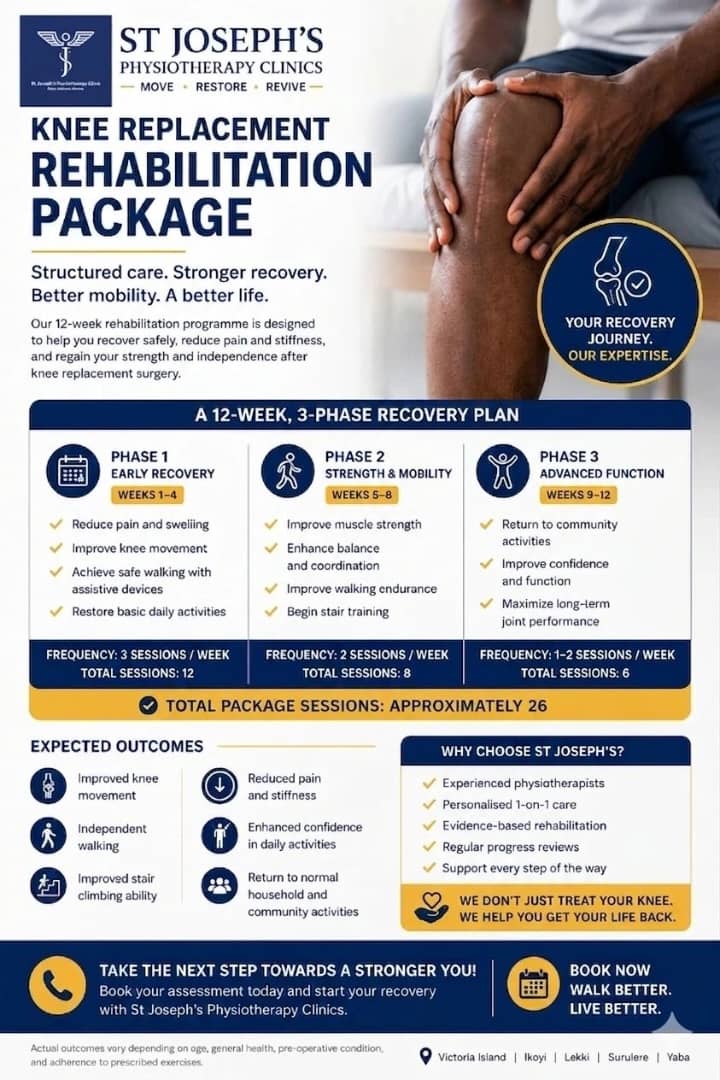
Complete Knee Replacement Rehabilitation Package in Lagos
Knee replacement surgery is a major step toward pain relief and improved mo…

NAMDA threatens strike over unpaid medical lecturers’ allowances
The Nigerian Association of Medical and Dental Academics (NAMDA) has warned…

Resident Doctors Signal End to Strike Threat After High-Level Talks with Gbajabiamila
The threat of a nationwide indefinite strike by the Nigerian Association of…
