The President of Nigeria Inter-Africa Committee on Campaigns against Harmful Traditional Practices against Women and Girls, Prof. Modupe Onadeko, said 60 per cent of families in Oyo State still engage in female genital mutilation.
She made the disclosure in an interview with the News Agency of Nigeria (NAN) in Ibadan.
Onadeko, a retired community physician and consultant on reproductive and family health, said the national average prevalence rate on female genital mutilation stood at 50 per cent.
She said February 6 of every year had been declared by the World Health Organisation as zero tolerance day against female genital mutilation to discourage the harmful act. This year had the harshtag: #endfgm. The medical expert said mutilation was usually carried when a girl was aged between eight days and 18 years.

"Some girls were mutilated on the eve of their wedding while some women were cut a few weeks to their delivery day. Reasons why this practice was done were mainly based on the African culture which believes that if a girl is not circumcised, she will be promiscuous when she gets old. Some people also believe that if the baby's head touches the clitoris, it will die among others reasons," she said.
Onadeko said female genital mutilation usually leads to severe pain and in some cases death.
She added that the act could cause haemorrhage which might also lead to cardiac arrest, painful urination, urinary tract infections, HIV and keloid. According to her, fractured hips can also result from pressure on the hip by the adult pinning down the child during mutilation.
The professor added that the long term effects of female genital mutilation include infertility due to blocked tube.
Onadeko said her committee had designed strategies to tackle harmful traditional practices, adding that practitioners involved would be given alternative professions to become effective change agents.
Onadeko added that the committee would embark on sensitization campaigns through seminars and film shows in all the local governments of Oyo State this year.
"Even though prevalence rate is getting low, we will not stop our campaigns until there is total eradication of this harmful practice," she said.
Source:
Daily Independent
ABUJA: Training Schedule for Basic Life Support BLS, Pediatric Advanced Life Support (PALS), Advanced Cardiovascular Life Support ACLS, First Aid, CPR, AED
PORTHARCOURT: Training Schedule for Basic Life Support BLS, Pediatric Advanced Life Support (PALS), Advanced Cardiovascular Life Support ACLS, First Aid, CPR, AED
LAGOS: Training Schedule for Basic Life Support BLS, Pediatric Advanced Life Support (PALS), Advanced Cardiovascular Life Support ACLS, First Aid, CPR, AED
STOP paying for airtime and electricity, Let your phone pay its bills with ScreenT
You may also like
Comrade Lemii Christian Emerges Chairman of NANNM Rivers State Branch in Historic Victory
PORT HARCOURT, NIGERIA Following the long awaited National Association of N…

FG Supports Robotic Surgery Expansion to Reduce Medical Tourism
Nigeria is taking another step toward strengthening specialised healthcare …
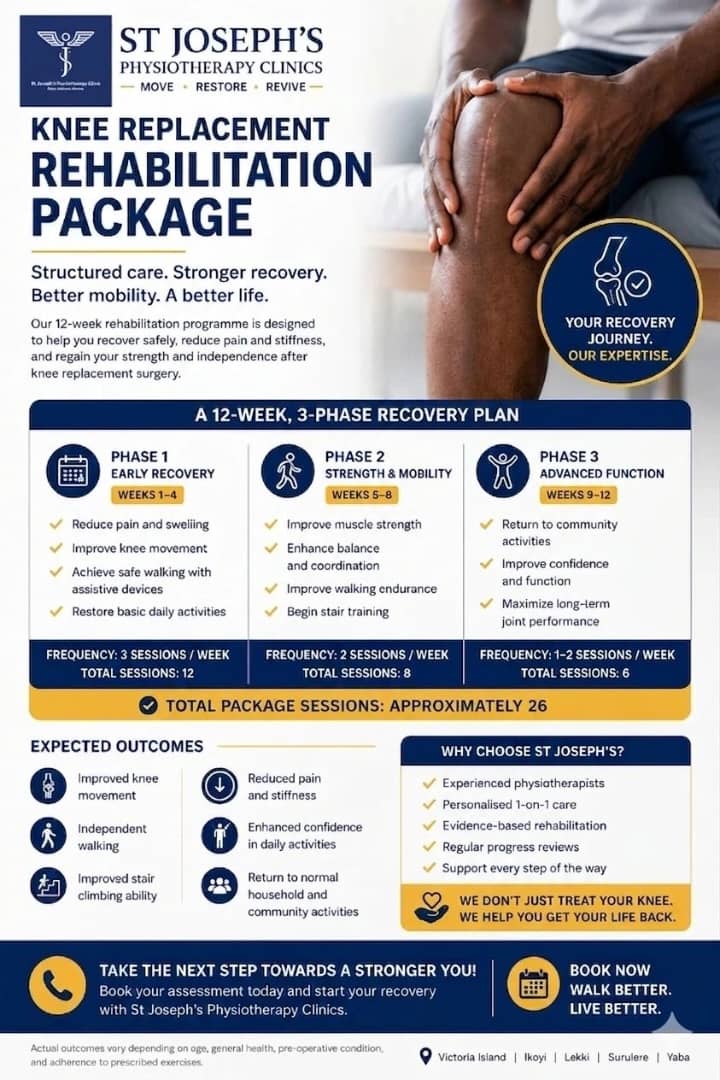
Complete Knee Replacement Rehabilitation Package in Lagos
Knee replacement surgery is a major step toward pain relief and improved mo…

NAMDA threatens strike over unpaid medical lecturers’ allowances
The Nigerian Association of Medical and Dental Academics (NAMDA) has warned…

Resident Doctors Signal End to Strike Threat After High-Level Talks with Gbajabiamila
The threat of a nationwide indefinite strike by the Nigerian Association of…