The world needs to change its approach to fighting tuberculosis as the death rates remain high at 1.5 million every year, according to researchers in a new paper published in The Lancet.
They said the world is going to see worse epidemics and more drug resistance unless there is less reliance on biomedical solutions and a greater emphasis on social action.
 Although TB deaths have fallen dramatically in recent decades, thanks to improved diagnosis and treatment, the disease still kills over 1.5 million people every year.
 Also, drug-resistant strains are increasing. Estimates suggest over 480,000 people developed multi-drug resistant TB (MDR-TB) in 2013.
The paper, by researchers from Harvard T. H. Chan School of Public Health in Boston, MA, is one of a series that will also be published in a book. The papers put tuberculosis (TB) in context and detail a comprehensive plan to stop TB deaths.
The plan will be implemented through the Zero TB Cities Project, which aims to create “islands of elimination” of the disease.
Senior author Rifat Atun, professor of global health systems, said that despite increased funding, progress on eliminating TB has been “woefully slow”.
Atun said, “We strongly argue that more of the same will not stop tuberculosis. The time has come for comprehensive actions to confront the root causes of tuberculosis, which lie in poverty and deprivation.”
In their paper, he and his colleagues call for a “biosocial” approach that includes programmes to tackle nutrition, urban planning, addiction recovery, occupational health and mental health services in the fight to eliminate TB.
The authors highlight that TB spread is also fuelled by social conditions such as malnutrition, overcrowded housing, HIV, diabetes, smoking and drinking too much alcohol.
They said that in developing countries, the benefits of improved diagnosis and treatment are not enough to offset the susceptibility in groups at risk of the disease because of these social conditions.
By: Winifred Ogbebo and Victor Okeke
Leadership News
ABUJA: Training Schedule for Basic Life Support BLS, Pediatric Advanced Life Support (PALS), Advanced Cardiovascular Life Support ACLS, First Aid, CPR, AED
PORTHARCOURT: Training Schedule for Basic Life Support BLS, Pediatric Advanced Life Support (PALS), Advanced Cardiovascular Life Support ACLS, First Aid, CPR, AED
LAGOS: Training Schedule for Basic Life Support BLS, Pediatric Advanced Life Support (PALS), Advanced Cardiovascular Life Support ACLS, First Aid, CPR, AED
STOP paying for airtime and electricity, Let your phone pay its bills with ScreenT
You may also like
Comrade Lemii Christian Emerges Chairman of NANNM Rivers State Branch in Historic Victory
PORT HARCOURT, NIGERIA Following the long awaited National Association of N…

FG Supports Robotic Surgery Expansion to Reduce Medical Tourism
Nigeria is taking another step toward strengthening specialised healthcare …
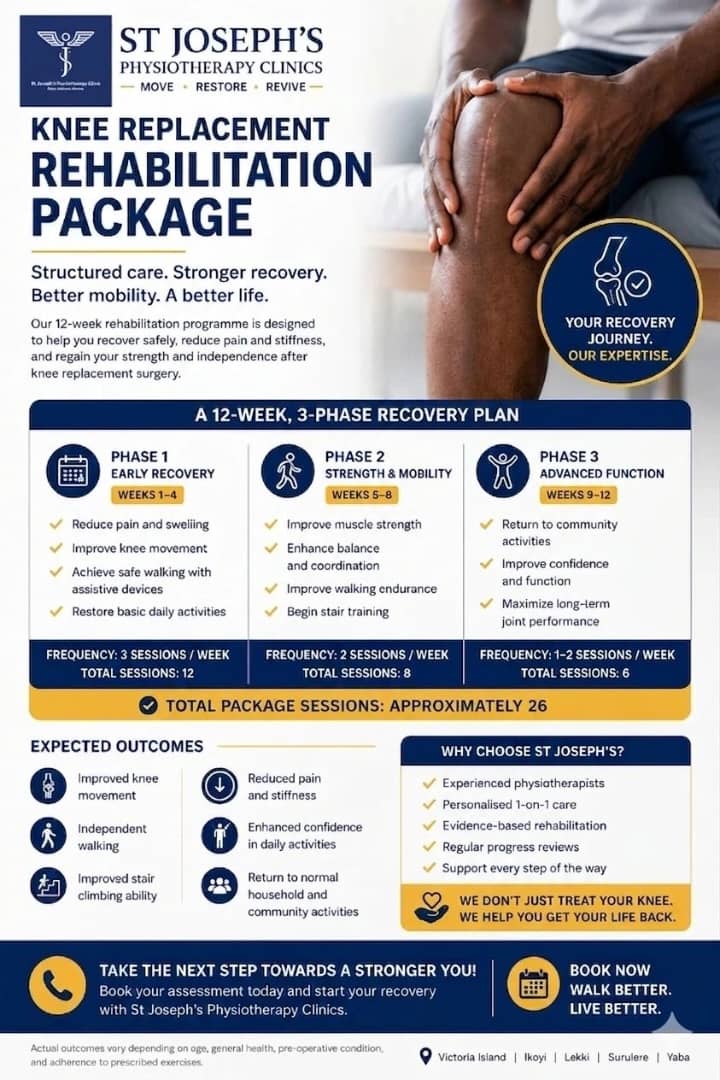
Complete Knee Replacement Rehabilitation Package in Lagos
Knee replacement surgery is a major step toward pain relief and improved mo…

NAMDA threatens strike over unpaid medical lecturers’ allowances
The Nigerian Association of Medical and Dental Academics (NAMDA) has warned…

Resident Doctors Signal End to Strike Threat After High-Level Talks with Gbajabiamila
The threat of a nationwide indefinite strike by the Nigerian Association of…