It is heartening that both parties are giving ground to get a deal
In 1996, a monumental epidemic broke out in several parts of Northern Nigeria, causing severe sickness and death from cholera, measles and meningitis in places such as Kano, Katsina and Bauchi States. The rapid and devastating spread of meningitis in children, in particular, caught the attention of Pfizer, whose officials flew in from the United States to join the efforts to contain the spread of the disease. Pfizer, however, also arrived with the intent of conducting a clinical trial on a promising oral antibiotic drug, Trovan, that it had then just manufactured. Some 100 children were administered with the experimental antibiotic during the research for the purposes of the study covering 200 children, many of whom died, while others suffered permanent injury or disability, rendering them incapable of living a normal life, to date.
Following allegations in the American media that Pfizer did not secure the requisite approvals for conducting such a study, several cases were immediately filed in the United States and Nigeria by the participants in the trial and their families, while Kano State and the federal government filed an action on behalf of their citizens in 2008. However, upon the intervention of top US officials and eminent Nigerians, a settlement was eventually agreed upon, with no admission of liability on the part of Pfizer. Both matters were subsequently withdrawn from the law courts in the belief that all the parties concerned would abide by the terms in good faith.
Essentially, the settlement was based on the understanding that Pfizer would build a world-class hospital for diagnostics and disease control in Kano State, and then also pay compensation to the parents of victims or survivors. Two boards were established and trustees were appointed to give effect to the consensus, while proof of participation was to be in the form of DNA samples or such other records that could lend credence to the authenticity of claims that they were involved in the clinical trial conducted in 1996.
Since Pfizer said it had kept all the original DNA samples of the participants to the study, the company requested for samples from claimants, for comparison with the ones in their custody. However, the threshold for proof was subsequently raised by Pfizer, over and above the norm in DNA sampling. Ultimately, however, only 14 participants, out of all the patients who had participated in the clinical trial, were successful in their claims, thereby enabling Pfizer to hold on to the bulk of the compensation monies agreed upon in respect of the study participants.
This situation culminated in the breakdown of the good-faith understanding and terms of the initial compensation agreement arrived at, although the hospital has since been completed. But attempts by Pfizer to wind up the operations of the board established for the purpose of compensation did not go down well with critical stakeholders. Apparently feeling shortchanged that the standards and forms of evidence required were skewed against the interests of the poor, vulnerable patients that had inadvertently succumbed to a test they apparently did not give informed consent to, the patients and their families returned to court, demanding substantial justice from Pfizer. It was on that basis that a fresh court case was filed in 2012.
However, after a series of hearings and adjournments, parties to the case informed the court last week that serious out-of-court settlement talks on the protracted dispute had commenced. In a dispute that has lingered for far too long, the possibility of an amicable but just conclusion is most certainly welcome. With such closure, it is our hope that lessons have been learnt, and that international protocols and regulations would be strictly adhered to in the conduct of clinical trials wherever they may be held and no matter the circumstances of potential participants. While it is a legitimate quest to aspire to develop lucrative drugs, the huge power for good that is invested in the pharmaceutical industry must be curtailed by stringent ethical standards, for the greater good of all.
Thisday
ABUJA: Training Schedule for Basic Life Support BLS, Pediatric Advanced Life Support (PALS), Advanced Cardiovascular Life Support ACLS, First Aid, CPR, AED
PORTHARCOURT: Training Schedule for Basic Life Support BLS, Pediatric Advanced Life Support (PALS), Advanced Cardiovascular Life Support ACLS, First Aid, CPR, AED
LAGOS: Training Schedule for Basic Life Support BLS, Pediatric Advanced Life Support (PALS), Advanced Cardiovascular Life Support ACLS, First Aid, CPR, AED
STOP paying for airtime and electricity, Let your phone pay its bills with ScreenT
You may also like
Comrade Lemii Christian Emerges Chairman of NANNM Rivers State Branch in Historic Victory
PORT HARCOURT, NIGERIA Following the long awaited National Association of N…

FG Supports Robotic Surgery Expansion to Reduce Medical Tourism
Nigeria is taking another step toward strengthening specialised healthcare …
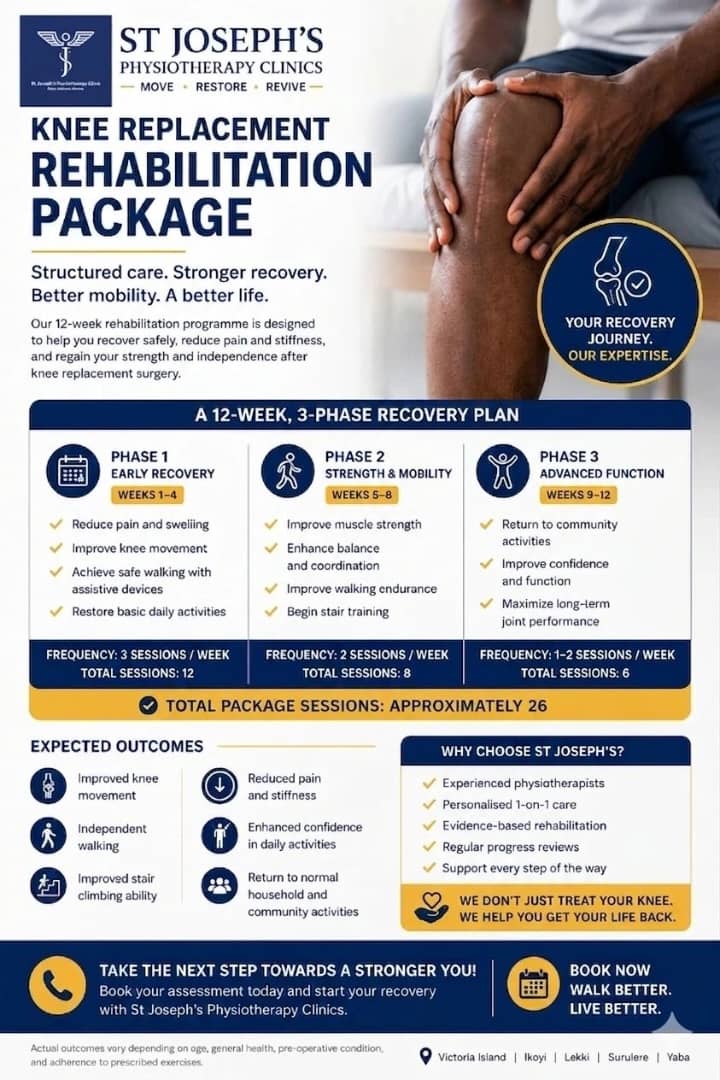
Complete Knee Replacement Rehabilitation Package in Lagos
Knee replacement surgery is a major step toward pain relief and improved mo…

NAMDA threatens strike over unpaid medical lecturers’ allowances
The Nigerian Association of Medical and Dental Academics (NAMDA) has warned…

Resident Doctors Signal End to Strike Threat After High-Level Talks with Gbajabiamila
The threat of a nationwide indefinite strike by the Nigerian Association of…