The potential risk of human infection from poultry is real. Within the last one year, there has been a consistent outbreak of bird flu also known as avian influenza in the country. The disease has killed over three million birds in about 24 states. It is also a disease that can be transmitted from animals to humans just like Lassa fever, Ebola and rabies among others.
“Although no human case of bird flu has yet been reported since the resurgence of the disease in January 2015, the potential risk of human infection from poultry is real, as had happened during the last outbreak in 2006 to 2008,” says Dr. Edgar Amos Sunday, National President, Nigerian Veterinary Medical Association.
A family physician and chairman of Infection, Prevention and Control committee at the University of Abuja Teaching Hospital, Dr Nicholas Baamlong says health experts also campaign against the disease because humans get it when they eat infected birds or are constantly in contact with them.
Another expert, Dr Gbenga Ariyo, a veterinary surgeon says avian influenza is a highly infectious zoonotic disease with a high fatality rate among humans, and it is important for Nigerians to take heed to basic hygiene requirements especially hand washing.
 He said: “Those at risk include people in contact with birds, poultry farms and bird feces. They include poultry workers and farmers, veterinary officers attending to infected birds, medical personnel attending to infected persons, environment and health officers, poultry bird transporters, poultry bird sellers and buyers in the market.”
 He said we must be wary of the fact that this strain can change to another strain that is much more dangerous like the strain that caused the 1918 Spanish Flu that resulted in the death of 100 million people.
Dr Nicholas Baamlong, family physician and chairman of Infection, Prevention and Control committee at University of Abuja Teaching said it is through laboratory diagnosis that the disease can be confirmed.
He added that it might be suspected when a person presents flu like symptoms like cough, fever, running nose, muscle pain, sore throat, chest pain , catarrh in addition to being in a farm where poultry has been dying, or has been in contacted with an infected person or the secretions of infected birds.
Other symptoms according to experts include: Conjunctivitis, respiratory signs such as difficult breathing, short breath, respiratory distress and pneumonia and nausea, vomiting and diarrhea.
A general practice physician at View Point Hospital, Abuja, Dr Umoren Akpan, said a person can get infected with bird flu when he or she goes in to where infected birds are, makes contact with surfaces soiled by its droppings and urine, and puts that hand into the eye, nose or mouth. He added that there are antiviral drugs available that can be used to treat it.
According to the veterinary surgeon, Dr Gbenga Ariyo, people can get infected through the following ways:
Birds to man infection
When the birds are infected with the virus, the birds will start to shed the virus through their saliva, mucous and fecal droppings. When humans have contact with these droppings or surfaces that have been contaminated, especially with their hands and they rub their hands on their mouth, eyes and nose, then they get infected.
Contact can also occur during slaughtering or handling of the infected poultry birds and using contaminated water to bath or as drinking water. It has been reported that bird’s saliva, mucous and fecal droppings can be aerosolized so that it can be inhaled by humans within the environment of the poultry farm or poultry market.
Man to man infection
Man to man infection are rare except during extremely close contact, such as in mother to baby contact as a result of breast feeding (infection through casual contact has not been reported) or if the H5N1 strain in the infected human changes to another strain that can easily pass from human to human.
Prevention and control
Dr Ariyo said avoiding contact with or exposure to infected poultry birds or contaminated surfaces is important in preventing human infection.
He said: “The major impact that basic hygiene, especially hand washing with disinfectant, plays cannot be over emphasized in the prevention of avian influenza. Hand washing is very paramount before and after handling (or visiting) poultry birds and product or contaminated surfaces.”
He said farmers must vaccinate their birds and people must obey all established bio-security barriers in place in poultry farms such as wearing of disposable protective clothing, cleaning and disinfecting protective clothing and vehicles before and after contact with poultry environment.
Others include:
• Farmers must constantly clean and disinfect poultry premises and equipment.
• Poultry workers/farmers must call the attention of a veterinarian when they note signs such as sudden death, swollen heads, purple-bluish combs and wattles etc.
• Once disease is confirmed the disease must be reported so that necessary step will be taken by the right authority.
• Cook poultry birds or products properly.
• People should purchase frozen chicken from trusted or approved retailers.
• People should not eat dead chicken.
Treatment
There is no human vaccine against avian influenza infection in Nigeria, says Dr Ariyo. He explained that since 1997, 784 people have been infected with the H5N1 strain of the virus, globally and the disease has a 60% fatality rate. “The prognosis of the disease is therefore fair to poor. However, the World Health Organisation (WHO) has recommended Oseltamivir, Tamiflu and Zanamivir for the treatment and prevention of avian influenza,” he said.
By: Ojoma Akor and Judd-Leonard Okafor
Daily Trust News
ABUJA: Training Schedule for Basic Life Support BLS, Pediatric Advanced Life Support (PALS), Advanced Cardiovascular Life Support ACLS, First Aid, CPR, AED
PORTHARCOURT: Training Schedule for Basic Life Support BLS, Pediatric Advanced Life Support (PALS), Advanced Cardiovascular Life Support ACLS, First Aid, CPR, AED
LAGOS: Training Schedule for Basic Life Support BLS, Pediatric Advanced Life Support (PALS), Advanced Cardiovascular Life Support ACLS, First Aid, CPR, AED
STOP paying for airtime and electricity, Let your phone pay its bills with ScreenT
You may also like

Comrade Lemii Christian Emerges Chairman of NANNM Rivers State Branch in Historic Victory
PORT HARCOURT, NIGERIA Following the long awaited National Association of N…

FG Supports Robotic Surgery Expansion to Reduce Medical Tourism
Nigeria is taking another step toward strengthening specialised healthcare …
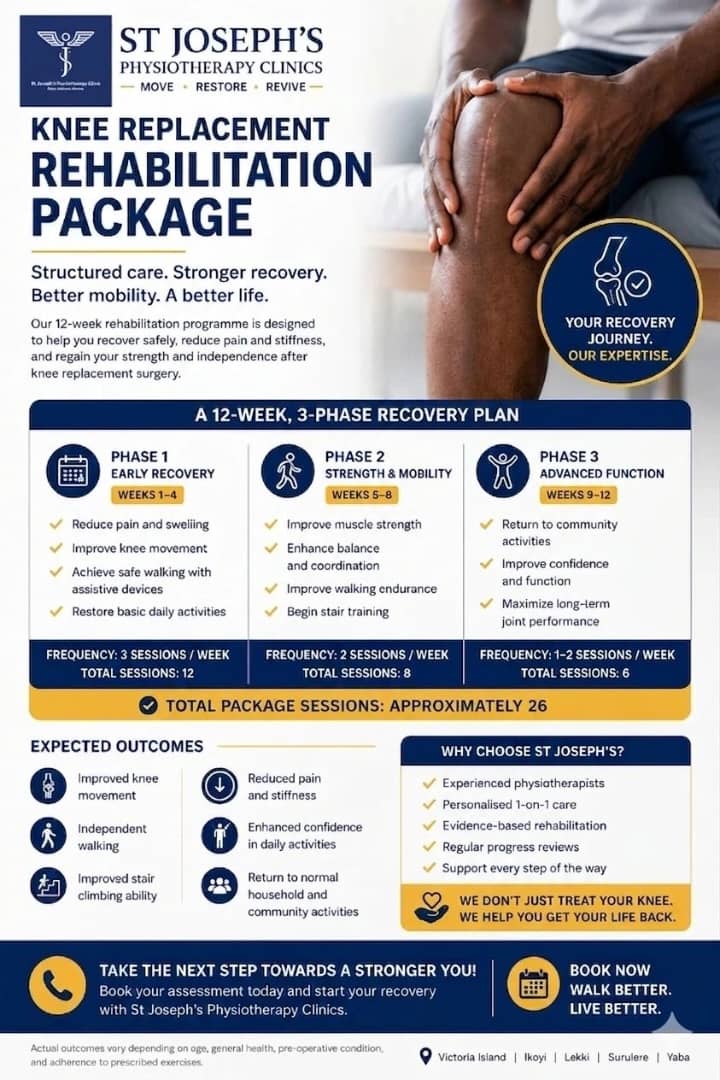
Complete Knee Replacement Rehabilitation Package in Lagos
Knee replacement surgery is a major step toward pain relief and improved mo…

NAMDA threatens strike over unpaid medical lecturers’ allowances
The Nigerian Association of Medical and Dental Academics (NAMDA) has warned…

Resident Doctors Signal End to Strike Threat After High-Level Talks with Gbajabiamila
The threat of a nationwide indefinite strike by the Nigerian Association of…