In a bid to increase awareness on the prevention, management and treatment of hepatitis B in the country, stakeholders in the health sector have called on the Ministry of Health to tackle the scourge the way HIV/AIDS was been tackled.
They said the increased cases of hepatitis B infection in Nigeria call for urgent measures which require campaigns on vaccination, screening, among others.
The stakeholders who spoke at a symposium organised by the Nigerian Institute of Medical Research (NIMR) Lagos, to mark the 2015 World Hepatitis Day celebrated across the globe recently, urged the Federal Government to develop policies that would make it compulsory for all newborns in the country irrespective of their status to be vaccinated against the infection 12 hours after they were born.
One of the stakeholders and a Consultant Gastroenterologist with Lagos University Teaching Hospital(LUTH), Idi-Araba, Dr. Funmi Lesi, gave reasons why government has to act fast: “Hepatitis is a common infection and it is one of the four top infections worldwide. Hepatitis is in the same league as Tuberculosis, HIV and Malaria. There should be a universal childhood vaccination and then catch up vaccination for adults.
“There should be regular screening for hepatitis B while Nigerians should be conscious of their status. Government should provide free treatment for infected persons just as it did for people living with HIV/AIDS,” she added.

The Liver Specialist noted that hepatitis B was a deadly disease because if left untreated, could cause liver damage, cirrhosis liver cancer.
What is important about the disease according to Lesi was that, hepatitis B is a vaccine preventable disease. “The vaccines are available. In many parts of the world, the vaccines have reduced the spread of the infection. But, in many parts of Africa where the culture is not very strong, hepatitis B and C continue to cause significant health challenge,” she said.
For the Deputy Director, Research, Human Virology Laboratory, NIMR, Dr. Rosemary Audu, she described hepatitis B as an important occupational hazard for health workers as more than 780,000 people die every year owing to the impact of the disease.
Reeling out the benefits of screening, she said: “It is very important to know your hepatitis B and C status in order to reduce the risk of infecting others if you are infected, consider your treatment options and self-management strategies as early as possible.
“Knowing your status will also help to prevent complications such as liver cirrhosis and cancer and improve the quality of life. In Nigeria, it has been found that people report for health care only when the viral disease has advanced and the risk of developing cirrhosis and liver cancer is very high.”
By Martins Ifijeh
This Day
ABUJA: Training Schedule for Basic Life Support BLS, Pediatric Advanced Life Support (PALS), Advanced Cardiovascular Life Support ACLS, First Aid, CPR, AED
PORTHARCOURT: Training Schedule for Basic Life Support BLS, Pediatric Advanced Life Support (PALS), Advanced Cardiovascular Life Support ACLS, First Aid, CPR, AED
LAGOS: Training Schedule for Basic Life Support BLS, Pediatric Advanced Life Support (PALS), Advanced Cardiovascular Life Support ACLS, First Aid, CPR, AED
STOP paying for airtime and electricity, Let your phone pay its bills with ScreenT
You may also like
Comrade Lemii Christian Emerges Chairman of NANNM Rivers State Branch in Historic Victory
PORT HARCOURT, NIGERIA Following the long awaited National Association of N…

FG Supports Robotic Surgery Expansion to Reduce Medical Tourism
Nigeria is taking another step toward strengthening specialised healthcare …
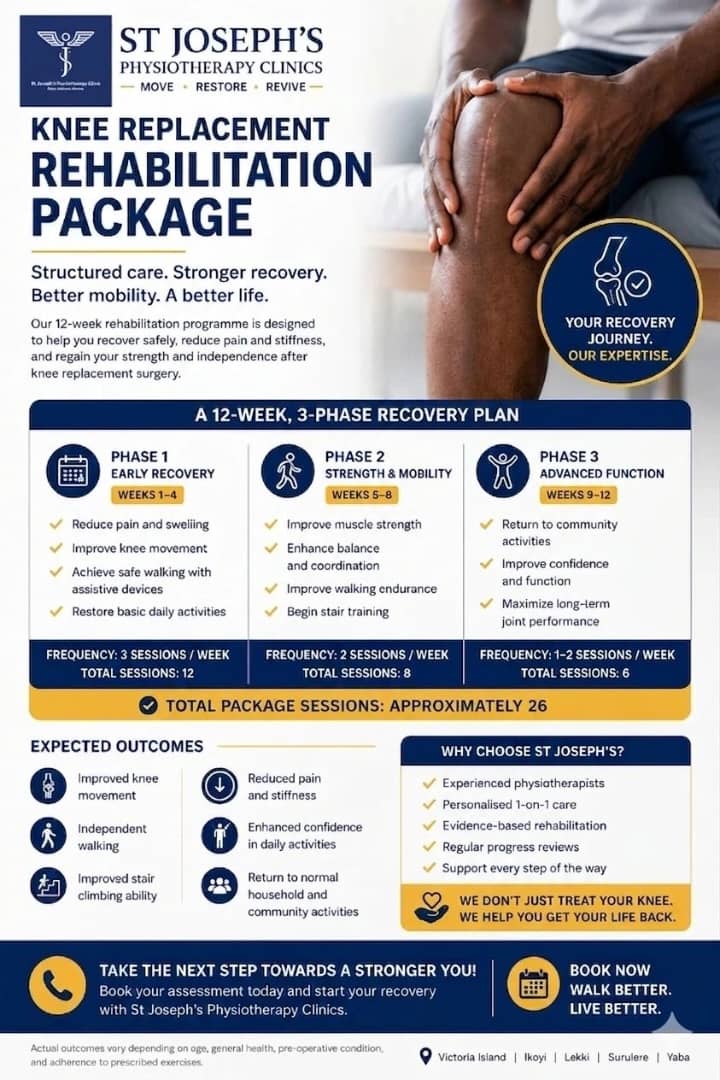
Complete Knee Replacement Rehabilitation Package in Lagos
Knee replacement surgery is a major step toward pain relief and improved mo…

NAMDA threatens strike over unpaid medical lecturers’ allowances
The Nigerian Association of Medical and Dental Academics (NAMDA) has warned…

Resident Doctors Signal End to Strike Threat After High-Level Talks with Gbajabiamila
The threat of a nationwide indefinite strike by the Nigerian Association of…