All should be vigilant as we collectively seek to tackle the viral disease
The World Health Organisation (WHO) recently declared the mosquito-borne Zika virus an international public health emergency as the disease, linked to thousands of suspected cases of birth defects in Brazil, spreads rapidly. The clinical symptoms of Zika are often similar to dengue, a painful and debilitating fever which is transmitted by the same mosquito, leading to fears that the disease could spread to all parts of the world where dengue is commonplace.
More than a third of the world’s population lives in areas at risk of dengue infections, in a band stretching through Africa, India, Southeast Asia and Latin America. Zika’s rapid spread through Latin America is put down to the prevalence of “Aedes aegypti” and a lack of immunity among the population. WHO Director-General, Margaret Chan, recently said that an international coordinated response was needed to improve detection and speed work on a vaccine and better diagnostics, although curbs on travel or trade were not necessary. She expressed grave concern that the Zika virus was “spreading explosively” and could infect as many as four million people in the Americas, especially in Brazil, which is due to host the Olympic Games in Rio de Janeiro in August this year.
As at last week, Brazil has reported nearly 4,000 suspected cases of microcephaly, in which infants are born with smaller-than-usual brains. The Health Ministry linked the condition to Zika, although the connection was not yet definitive, while Chan said the causal link was “strongly suspected but not yet scientifically proven”. Brazilian Health Minister, Marcelo Castro, said the epidemic was worse than believed because in 80 per cent of the cases the infected people had no symptoms, even as the virus spreads from Brazil to other countries in the Americas.
 However, what is important for us is that Nigeria, like any other country, is prone to the Zika virus infection and should therefore be proactive in responding to checkmate it. The good news here is that aside the plans put in place by the health authorities in Abuja and the 36 states, critical stakeholders, including the Nigerian armed forces, have joined the efforts to conduct research towards the production of effective vaccines against the Zika virus and other diseases. While this is commendable, more could still be done in the establishment of effective disease surveillance mechanisms across the country. There is also the need to strengthen laboratory capacity to conduct basic diagnostic investigations and establish relationships with key stakeholders within the health sector.
 While ruling out avoiding travelling to countries infected by Zika virus, especially pregnant women, WHO said there should be restraints and that if such trips are necessary, people should take personal protective measures by covering up and using a mosquito repellant. In addition to these, we also believe the expert opinion that apart from encouraging people to live in a clean environment, free from areas where mosquitoes can breed, there should be intensified efforts to have robust and effective border health checkpoints in other to detect visitors and tourists who are already infected.
In Nigeria, the template for dealing with the Ebola virus should become handy as we collectively seek to tackle the Zika virus while vigilance should remain the watchword. In a world in which deadly diseases now spread so rapidly, the health authorities should do everything to ensure that the Zika virus does not become another problem on our shores. On that score, to be forewarned is to be forearmed.
Source: This Day Live News
ABUJA: Training Schedule for Basic Life Support BLS, Pediatric Advanced Life Support (PALS), Advanced Cardiovascular Life Support ACLS, First Aid, CPR, AED
PORTHARCOURT: Training Schedule for Basic Life Support BLS, Pediatric Advanced Life Support (PALS), Advanced Cardiovascular Life Support ACLS, First Aid, CPR, AED
LAGOS: Training Schedule for Basic Life Support BLS, Pediatric Advanced Life Support (PALS), Advanced Cardiovascular Life Support ACLS, First Aid, CPR, AED
STOP paying for airtime and electricity, Let your phone pay its bills with ScreenT
You may also like
Comrade Lemii Christian Emerges Chairman of NANNM Rivers State Branch in Historic Victory
PORT HARCOURT, NIGERIA Following the long awaited National Association of N…

FG Supports Robotic Surgery Expansion to Reduce Medical Tourism
Nigeria is taking another step toward strengthening specialised healthcare …
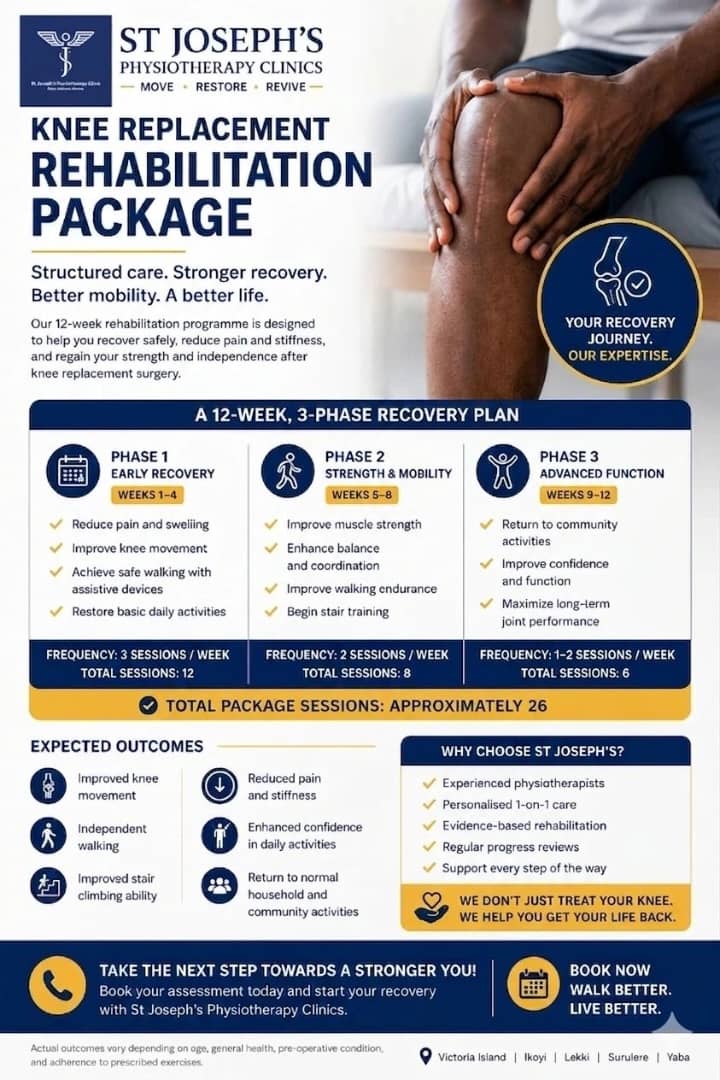
Complete Knee Replacement Rehabilitation Package in Lagos
Knee replacement surgery is a major step toward pain relief and improved mo…

NAMDA threatens strike over unpaid medical lecturers’ allowances
The Nigerian Association of Medical and Dental Academics (NAMDA) has warned…

Resident Doctors Signal End to Strike Threat After High-Level Talks with Gbajabiamila
The threat of a nationwide indefinite strike by the Nigerian Association of…
