THE current International Diabetes Federation (IDF) chart reveals that about 387 million people are currently living with diabetes world¬wide. Scarily, IDF estimates that the number of people living with the disease will rise to 592 million by 2035. In Africa, Nigeria has the unenviable record of having the highest figure of people living with the disease. As at 2014, there are 3.9 million Nigerians living with the dis¬ease. Similarly, 11 million Nigerians are currently unaware of their diabetes status. According to IDF, most people do not really know that they have the condition. Sadly, diabetes is more widespread among people in the productive age. A recent IDF data shows that 76% of deaths arising from the disease occur with people under the age of 60.
It is in view of the bleak reality of the diabetes situation across the world that the IDF has chosen the theme: “Halt the diabetes epidemic for the 2015 World diabetes Day. The World Diabetes Day, comes up14th November every year and has grown from a humble start to a world-wide affair. The objective of the Day is to boost consciousness about diabetes through advocacy campaigns, screenings, talks, conferences among others. The Day serves as a rallying point for the global diabetes community to create a dominant voice for diabetes responsiveness and support.
In Nigeria, studies have shown that the prevalence of diabetes varies across different zones of the country but ranges from 2.2 – 9.8%. The diabetes statistics of the IDF showed that Nigeria has the highest number of people living with diabetes and impaired fasting glucose (IFG) in Africa, with an estimated burden of about 1.7 million, the number that is expected to increase to 4.8 million by the year 2030.
 Diabetes Mellitus is a life-long disease marked by elevated levels of sugar in the blood either because the body does not produce enough insulin or because cells do not respond to the insulin that is produced. Insulin is the principal hormone that regulates uptake of glucose from the blood into most cells. It is released into the blood stream by beta cells found in the Islet of Langerhans in the pancreas in response to rising levels of blood glucose, typically after eating.
 Therefore, if the amount of insulin available is insufficient, if cells respond poorly to the effects of insulin or if the production of insulin itself is defective, then glucose will not be absorbed properly by those body cells that require it nor will it be stored appropriately in the liver and muscles. The resultant effect is persistent high levels of blood glucose, poor protein synthesis and other metabolic derangements. The human body maintains the blood glucose level at a range between about 3.6 and 5.8 mm (mmol/L, i.e., millimoles/liter), or 82 and 110 mg/dL. A persistently high level is referred to as hyperglycemia; low level is referred to as hypoglycemia.
Diabetes Mellitus is the passage of glucose that is not absorbed by the body in urine. It is divided into 3 main types, these are- Types 1, 2 and 3. Type 1 results from the failure of the body to produce insulin generally known as Insulin Dependent Diabetes Mellitus [IDDM] or Juvenile diabetes. It requires that the sufferer inject insulin. It is partly inherited and then triggered by certain viral infections. 33% of people with type 1 diabetes develop the disease after the age of 20.
Type 2, on the other hand, is a metabolic disorder characterized by high blood glucose as a result of the failure of the body cells to properly utilize insulin, sometimes combined with an absolute insulin deficiency. It can also be referred to as Non Insulin Dependent Diabetes Mellitus [NIDDM] or adult onset diabetes. This type is due primarily to lifestyle factors and sometimes genetic. Other causes include genetic defects of beta cell function, genetic defects of insulin processing or insulin action and exocrine pancreatic defects.
Type ,3 also known as Gestational Diabetes, occurs only during pregnancy, where a pregnant woman with no history of diabetes suddenly develops high blood glucose level. Other forms of diabetes mellitus include congenital diabetes which is due to genetic defect of insulin secretion, cystic fibrosis related diabetes, steroid diabetes induced by high doses of glucocorticoids.
Types 1 and 2 are chronic conditions that cannot be completely cured but have been treatable and controlled with injection of insulin and drugs. Pancreas transplants have been tried with limited success in type 1, gastric bypass surgery has been successful in many with morbid obesity and type 2 diabetes. Gestational Diabetes Mellitus usually resolves after delivery.
Signs and symptoms of diabetes include, loss of weight, frequent urination [polyuria],increased thirst [polydipsia], increased hunger [polyphagia], blurred vision, skin rashes collectively known as diabetic dermadromes may occur. These symptoms may develop in weeks or months in type 1 diabetes, but may manifest slowly or be completely absent in type 2.
Without proper treatment, many complications may arise from the disease. These may be acute or long term. The former include hypoglycemia [low blood sugar level], damage to blood vessels around the eyes and legs, blockage of blood supply to vital organs like the heart and the kidneys. These invariably lead to devastating long term complications like ischemic heart diseases [angina pectoris and myocardial infarction]and stroke. It damages the blood capillaries resulting in diabetes retinopathy affecting blood vessels around the eyes leading to reduced vision and potentially blindness. It also leads to scarring of kidney tissues, resulting in loss of protein in the urine and eventually chronic kidney disease requiring dialysis.
Together with vascular disease in the leg, diabetics have the risk of getting diabetes foot ulcers, which are difficult to treat, leading to gangrene, occasionally requiring amputations. It also affects the nervous system causing numbness, tingling and pain in the feet.
Various measures can be employed in the control of this disease in addition to insulin and medications. These are maintenance of a healthy body weight, adding beans and other legumes like peas and lentils which are rich in protein, fibre, vitamins and minerals to diet. These help people with type 2 diabetes improve their blood sugar control through binding of cholesterol, keeping it from being absorbed in the intestines and lowering risk of heart disease. Regular exercises are also very essential to prevent obesity. Also tobacco and alcohol consumption should be avoided while eating of fruits and vegetables should be encouraged.
To determine the rate of infection and combat the prevalence of the disease, it is imperative for all tiers of government in the country, the private sector, well-meaning individuals and other key stakeholders to help in subsidizing the cost of insulin, provide places for screening and treatment and also train more health workers who will administer these drugs.
Primary health centres should also be strengthened to screen and offer advice where necessary to people while employers should organise health screening for their employees.
It is only in doing this that the annual World Diabetes Day celebration would not end up as a mere jamboree.
Bakare writes from Ministry of Information and Strategy, Alausa, Ikeja.
By: Bilikis Bakare
Sun News
ABUJA: Training Schedule for Basic Life Support BLS, Pediatric Advanced Life Support (PALS), Advanced Cardiovascular Life Support ACLS, First Aid, CPR, AED
PORTHARCOURT: Training Schedule for Basic Life Support BLS, Pediatric Advanced Life Support (PALS), Advanced Cardiovascular Life Support ACLS, First Aid, CPR, AED
LAGOS: Training Schedule for Basic Life Support BLS, Pediatric Advanced Life Support (PALS), Advanced Cardiovascular Life Support ACLS, First Aid, CPR, AED
STOP paying for airtime and electricity, Let your phone pay its bills with ScreenT
You may also like

Comrade Lemii Christian Emerges Chairman of NANNM Rivers State Branch in Historic Victory
PORT HARCOURT, NIGERIA Following the long awaited National Association of N…

FG Supports Robotic Surgery Expansion to Reduce Medical Tourism
Nigeria is taking another step toward strengthening specialised healthcare …
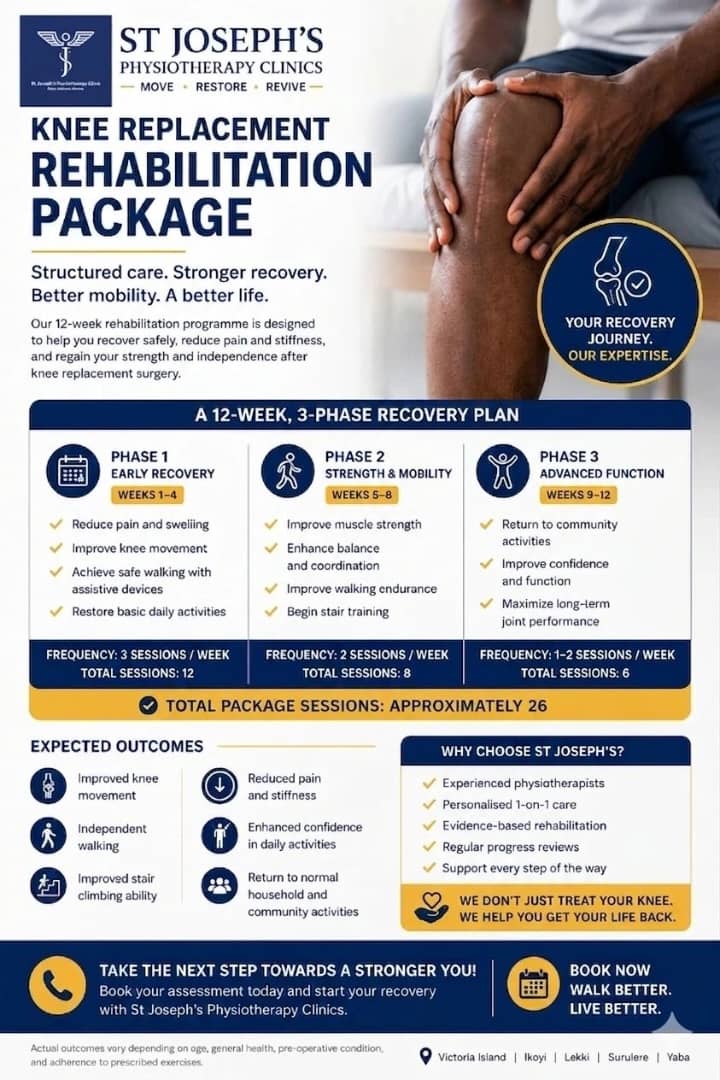
Complete Knee Replacement Rehabilitation Package in Lagos
Knee replacement surgery is a major step toward pain relief and improved mo…

NAMDA threatens strike over unpaid medical lecturers’ allowances
The Nigerian Association of Medical and Dental Academics (NAMDA) has warned…

Resident Doctors Signal End to Strike Threat After High-Level Talks with Gbajabiamila
The threat of a nationwide indefinite strike by the Nigerian Association of…
