As a fallout of the recent pronouncement by the Nigerian center for disease control on its twitter handle of the confirmation of a case of lassafever in a patient at NAUTH Nnewi and bearing in mind that the patient was a medical professional, Nurse Jennifer Emelue of Nursingworld Nigeria has reiterated the call for the provision of appropriate PPEs for Nurses
Jennifer who made this call in an interview with a Nursingworld correpondent advised that nurses should always apply standard infection prevention and control precautions when caring for patients regardless of their presumed diagnosis. These include basic hand hygiene, respiratory hygiene, use of personal protective equipment (to block splashes or other contact with infected materials), safe injection practices and safe burial practices.
 Health-care workers caring for patients with suspected or confirmed Lassa fever should apply extra infection control measures to prevent contact with the patient’s blood and body fluids and contaminated surfaces or materials such as clothing and bedding. When in close contact (within 1 metre) of patients with Lassa fever, health-care workers should wear face protection (a face shield or a medical mask and goggles), a clean, non-sterile long-sleeved gown, and gloves (sterile gloves for some procedures).
 She lamented the fact that most hospitals particularly private hospitals lack the necessary facilities to institute infection control measures and called on heads of nursing departments and matrons to demand that the minimum requirements are provided to safeguard the lives of Nurses working in these settings
She added that Prevention of Lassa fever relies on promoting good “community hygiene” to discourage rodents from entering homes. Effective measures include storing grain and other foodstuffs in rodent-proof containers, disposing of garbage far from the home, maintaining clean households and keeping cats. Because Mastomys are so abundant in endemic areas, it is not possible to completely eliminate them from the environment. Family members should always be careful to avoid contact with blood and body fluids while caring for sick persons.
ABUJA: Training Schedule for Basic Life Support BLS, Pediatric Advanced Life Support (PALS), Advanced Cardiovascular Life Support ACLS, First Aid, CPR, AED
PORTHARCOURT: Training Schedule for Basic Life Support BLS, Pediatric Advanced Life Support (PALS), Advanced Cardiovascular Life Support ACLS, First Aid, CPR, AED
LAGOS: Training Schedule for Basic Life Support BLS, Pediatric Advanced Life Support (PALS), Advanced Cardiovascular Life Support ACLS, First Aid, CPR, AED
STOP paying for airtime and electricity, Let your phone pay its bills with ScreenT
You may also like
Comrade Lemii Christian Emerges Chairman of NANNM Rivers State Branch in Historic Victory
PORT HARCOURT, NIGERIA Following the long awaited National Association of N…

FG Supports Robotic Surgery Expansion to Reduce Medical Tourism
Nigeria is taking another step toward strengthening specialised healthcare …
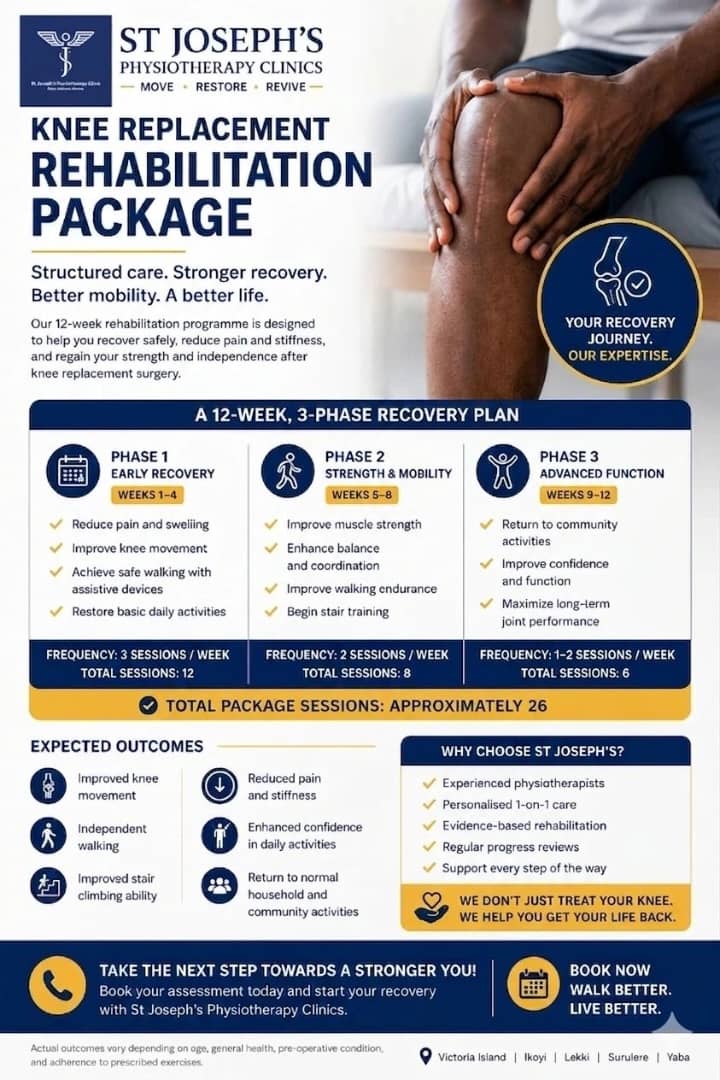
Complete Knee Replacement Rehabilitation Package in Lagos
Knee replacement surgery is a major step toward pain relief and improved mo…

NAMDA threatens strike over unpaid medical lecturers’ allowances
The Nigerian Association of Medical and Dental Academics (NAMDA) has warned…

Resident Doctors Signal End to Strike Threat After High-Level Talks with Gbajabiamila
The threat of a nationwide indefinite strike by the Nigerian Association of…