When asked what the top priorities should be for their countries, that should figure prominently in the next set of development goals (the Sustainable Development Goals), people in Nigeria and eight other countries in sub-Sahara Africa identified healthcare and education even though they acknowledge the importance of their respective economies. In eight of nine countries, improving health care is the number one priority.
Health care centre
Asked which of six pressing issues should be the most important priority for their country, an average of 38 per cent across the nations polled name health care, including more than four-in-ten in Burkina Faso, Senegal, Tanzania and Uganda.
These are others are key findings of a new Pew Research Centre survey, a subsidiary of The Pew Charitable Trusts, conducted from March 25 to May 21, 2015 among 9,062 respondents in Burkina Faso, Ethiopia, Ghana, Kenya, Senegal, South Africa, Tanzania, Uganda and Nigeria,
The report, supported by the Bill & Melinda Gates Foundation, also found that a median of 23 percent say improving education should be their nation’s top priority.
.jpg)
In South Africa, education is named more often than any other option. To a lesser extent, people in the region are also worried about issues such as corruption, food supply, infrastructure and energy. From the report, despite the progress that has been made, an average of 68 percent of people in sub-Saharan Africa think their country needs more foreign aid than it gets today.
Overall, people in the region express at least some confidence that major institutions will be able to deal with the challenges facing their countries.
Most believe that governments, foreign aid organizations and businesses can help solve key problems. However, people believe that these institutions have both important strengths and significant weaknesses.
Nigeria is the only nation where a majority is very confident that their national government will help solve major problems in the country. In most countries polled, people express greatest faith in their own national governments. A median of 78 percent across the eight countries where the question was asked say they are at least somewhat confident.
But there were serious criticisms of their governments. Large majorities consider government corruption a very big problem, including about eight-in-ten or more in Tanzania, Ghana, Nigeria and Uganda. And majorities in most countries believe government is run for the benefit of a few groups rather than the benefit of all.
By Vanguard
ABUJA: Training Schedule for Basic Life Support BLS, Pediatric Advanced Life Support (PALS), Advanced Cardiovascular Life Support ACLS, First Aid, CPR, AED
PORTHARCOURT: Training Schedule for Basic Life Support BLS, Pediatric Advanced Life Support (PALS), Advanced Cardiovascular Life Support ACLS, First Aid, CPR, AED
LAGOS: Training Schedule for Basic Life Support BLS, Pediatric Advanced Life Support (PALS), Advanced Cardiovascular Life Support ACLS, First Aid, CPR, AED
STOP paying for airtime and electricity, Let your phone pay its bills with ScreenT
You may also like
Comrade Lemii Christian Emerges Chairman of NANNM Rivers State Branch in Historic Victory
PORT HARCOURT, NIGERIA Following the long awaited National Association of N…

FG Supports Robotic Surgery Expansion to Reduce Medical Tourism
Nigeria is taking another step toward strengthening specialised healthcare …
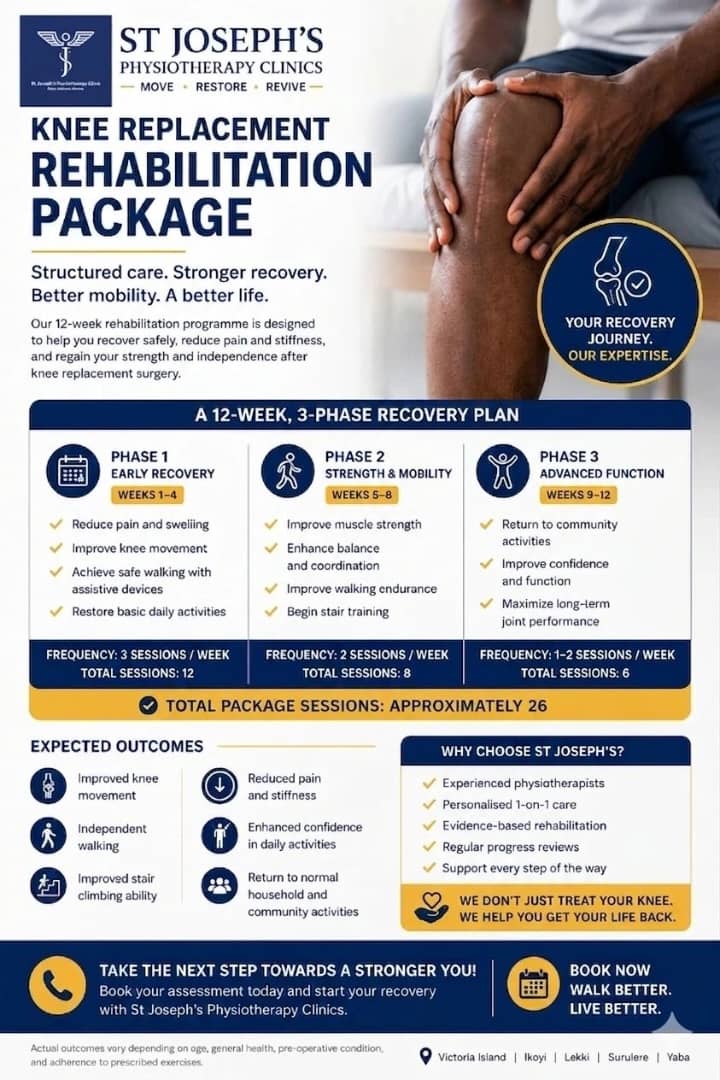
Complete Knee Replacement Rehabilitation Package in Lagos
Knee replacement surgery is a major step toward pain relief and improved mo…

NAMDA threatens strike over unpaid medical lecturers’ allowances
The Nigerian Association of Medical and Dental Academics (NAMDA) has warned…

Resident Doctors Signal End to Strike Threat After High-Level Talks with Gbajabiamila
The threat of a nationwide indefinite strike by the Nigerian Association of…